Blog
Watermelon Pineapple Juice Cans Wholesale — Capturing the Tropical Fruit Juice Trend in USA and Europe
Jul
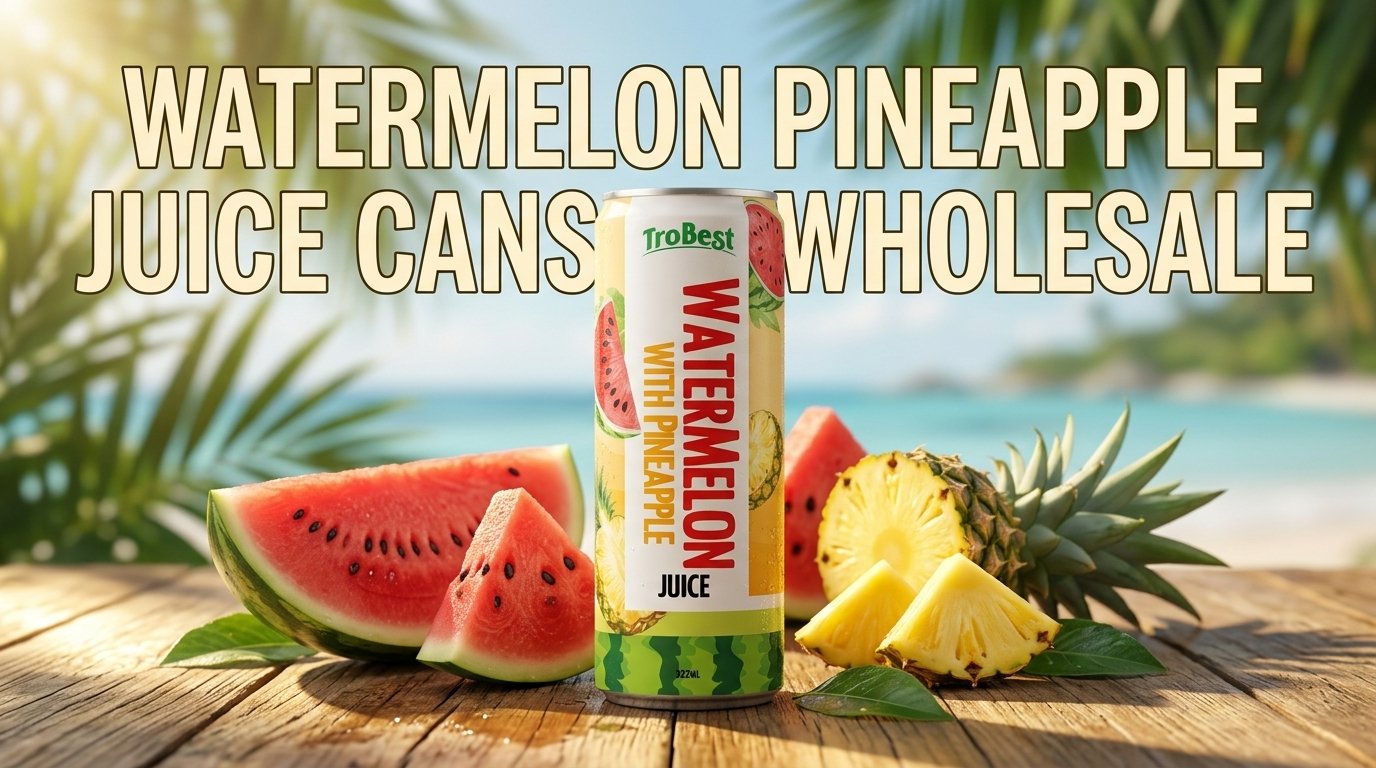
The global beverage market is witnessing a sustained surge in demand for tropical fruit blends, driven by consumer preference for authentic flavors and convenient packaging. Among the most promising segments is the watermelon and pineapple juice combination, offering a naturally sweet and tangy profile that appeals to a wide audience. For importers, distributors, and private label brands, sourcing watermelon pineapple juice cans wholesale represents a strategic opportunity to tap into this growing category. This article provides an in-depth analysis of market trends in the USA and Europe, the operational advantages of the 325 ml can format, and how partnering with a reliable OEM/ODM manufacturer can accelerate market entry.
Key Takeaways
- The USA and Europe show increasing consumption of ready-to-drink tropical juice blends, with watermelon pineapple variants gaining traction in retail and foodservice.
- Wholesale buyers benefit from the 325 ml can format due to its portability, shelf stability, and recyclability—key factors for hot climates and on-the-go consumers.
- Private label and OEM production allow brands to customize sweetness, acidity, and packaging, ensuring product differentiation while maintaining consistent quality.
- Leading manufacturers like Trobest offer scalable production capacity (1,200 containers/month) and international certifications (HACCP, HALAL, FSSC) that simplify export compliance.
Why Watermelon Pineapple Juice is Gaining Momentum in the USA
The United States remains the largest importer of fruit juice concentrates and ready-to-drink beverages. In recent years, the tropical juice segment has grown steadily, with consumers seeking bold, authentic flavors that evoke exotic experiences. Watermelon and pineapple, both widely available in concentrate form, deliver a balanced sweetness with a refreshing tang—an ideal profile for American palates accustomed to both sugary and tart notes.
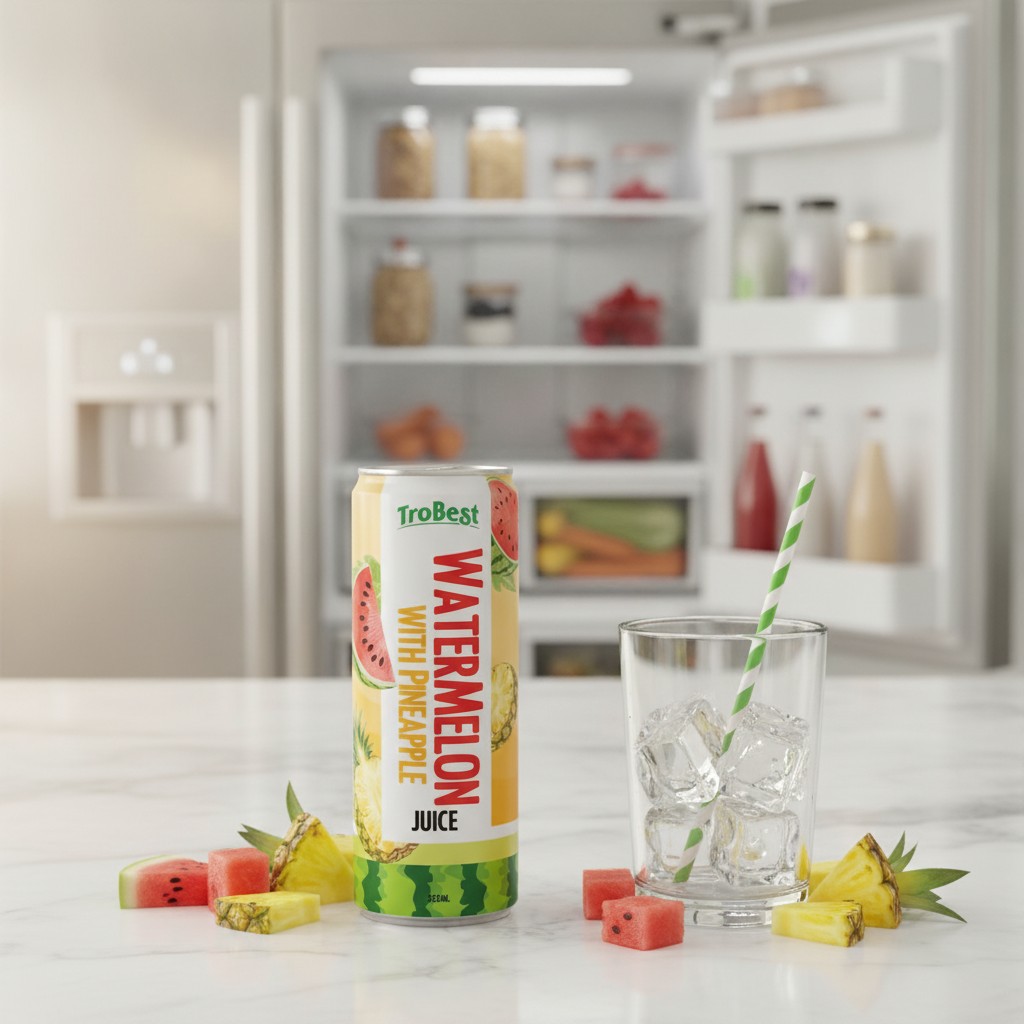
Retail channels from Walmart to Whole Foods have expanded their shelf space for innovative juice blends, particularly those free from artificial preservatives and high-fructose corn syrup. A 325 ml can of watermelon pineapple juice fits perfectly into single-serve categories, appealing to busy professionals, students, and outdoor enthusiasts. Moreover, the aluminum can offers superior protection against light and oxygen, preserving the natural color and flavor without the need for chemical additives.
For wholesalers and importers, the opportunity lies in private label development. Instead of competing with established national brands, they can create unique offerings under their own brand name, leveraging a watermelon pineapple juice cans wholesale partnership that provides custom formulation and packaging design. Trobest’s production lines can adjust sweetness levels and acidity to match target demographics, from mild family-friendly versions to more intense tropical blends for health-conscious segments.
Consumer Insights Driving Demand in Europe
European consumers increasingly prioritize natural ingredients, transparent labeling, and sustainable packaging. The EU market for fruit juices and nectars has seen a renaissance of tropical flavors, driven by multicultural populations and travel-inspired taste preferences. Watermelon–pineapple blends resonate particularly well in Germany, the UK, and France, where exotic fruit mixes are perceived as premium yet accessible.
The 325 ml can size aligns perfectly with European portion norms—smaller than the 330 ml soft drinks but generous enough for a satisfying drink. Additionally, aluminum cans are among the most recycled packaging materials in Europe, which bolsters brand sustainability credentials. For B2B buyers, the ability to source a product that meets strict EU regulations on additives, heavy metals, and labeling is non-negotiable. Manufacturers with certifications such as FSSC 22000, BRC, and Organic (EU) provide a clear advantage.
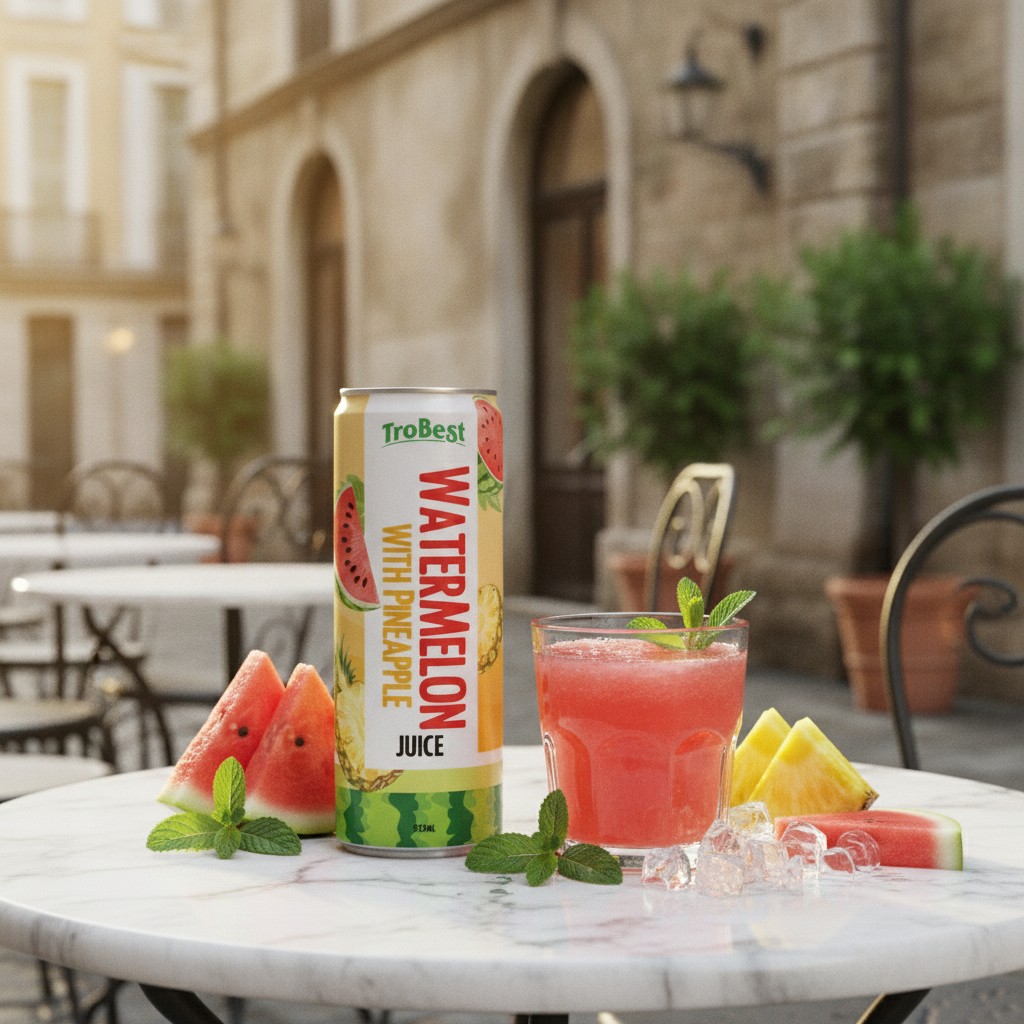
Private label penetration in Europe’s beverage aisle has exceeded 30% in some countries, and retailers are actively seeking suppliers who can deliver consistent volume at competitive prices. By offering watermelon pineapple juice cans wholesale with flexible MOQ and custom branding, Trobest enables European distributors to differentiate their portfolio without investing in manufacturing infrastructure.
How the 325 ml Can Format Optimizes Distribution and Retail
Packaging size and material directly influence logistics costs and shelf appeal. The 325 ml aluminum can is a popular choice for single-serve fruit juices because it is lightweight, stackable, and resists breakage. When shipping in full container loads, the net weight per pallet is optimized for container capacity, reducing per-unit freight costs—a critical factor for transcontinental shipments from Vietnam to the USA or Europe.
- Portability: The can’s slim profile fits into cooler bags, lunchboxes, and vending machines, expanding retail channels.
- Recyclability: Aluminum is infinitely recyclable, appealing to eco-conscious consumers and retailers with sustainability goals.
- Product Integrity: Airtight sealing prevents oxidation, ensuring the juice retains its vibrant color and fresh taste for up to 12–18 months.
For wholesale buyers, ordering under a private label partnership means they can choose shrink-wrapped trays, carton packs, or custom display-ready pallets. This flexibility supports diverse go-to-market strategies, from cash-and-carry clubs to specialty organic stores. Manufacturers like Trobest, with a monthly capacity of 1,200 containers, can handle large-volume orders while maintaining the agility to accommodate seasonal promotions.
Thirst for Tropical: Market Data and Forecasts for Fruit Juice Blends
According to industry reports, the global fruit juice market is projected to grow at a CAGR of 4.5% through 2030, with tropical fruit blends outpacing single-fruit offerings. The convenience segment—canned and bottled ready-to-drink—is particularly strong in North America and Western Europe. Watermelon juice alone has seen a spike in interest due to its hydrating properties (though we avoid health claims) and natural sweetness, while pineapple adds the tangy complexity that prevents flavor fatigue.
In the United States, the Hispanic and Asian demographics are expanding, bringing with them a preference for tropical flavors that were previously niche. Retail data from the 2023-2024 period indicates that watermelon-based beverages grew by 8.2% in dollar sales, while pineapple juice blends increased by 6.5%. Cross-referencing these trends, a watermelon–pineapple hybrid captures both growth arcs.
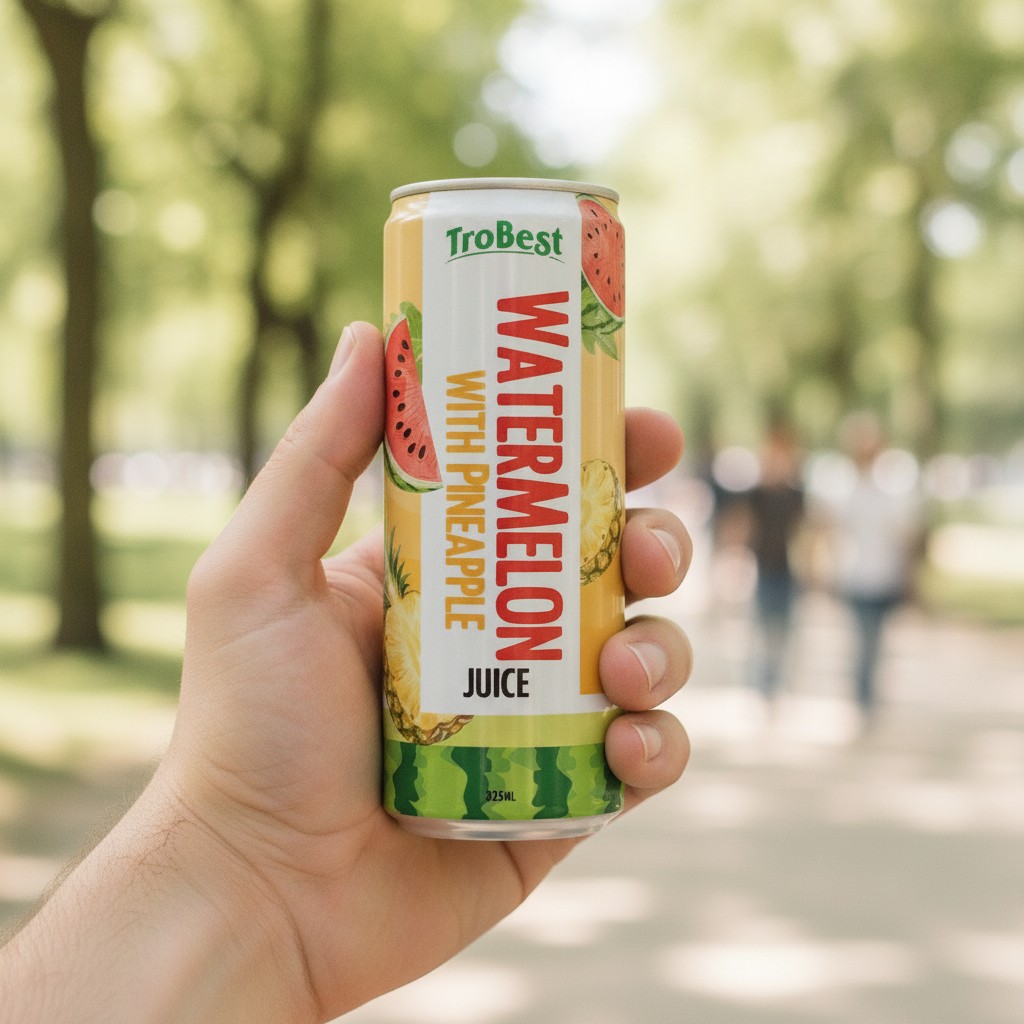
European importers should note that the UK and Germany lead in exotic juice consumption, and the online grocery channel is accelerating demand for shelf-stable canned juices. For brands aiming to launch quickly, a watermelon pineapple juice cans wholesale model allows them to bypass lengthy in-house product development and go straight to market with a differentiated product.
Navigating Regulatory Compliance for USA and Europe
Entering the USA market requires compliance with FDA regulations, particularly regarding acidified foods if the pH is below 4.6. Watermelon juice typically has a pH around 5.2–5.8, while pineapple juice is more acidic (pH 3.2–3.5). The combined blend generally falls into the acid food category, simplifying the registration process. However, labels must avoid any implied health benefits—a strict FDA rule—so marketing should focus on taste, quality, and convenience.
European importers must ensure the product meets EU juice Directive 2012/12/EU and EC Regulation 1333/2008 on food additives. Working with a manufacturer that holds BRC and FSSC certifications guarantees that production facilities adhere to Global Food Safety Initiative (GFSI) standards, streamlining audit requirements. Trobest also offers HALAL certification, which opens doors to markets with significant Muslim populations, including parts of Europe and the Middle East.
OEM/ODM Services: Customizing Your Watermelon Pineapple Juice
Private label success hinges on product differentiation. Even within a single juice blend, manufacturers can vary Brix levels (sugar content), acidity, and pulp content to suit regional preferences. For example, American consumers may prefer a slightly sweeter profile, while European buyers might opt for a more tart, less sugary variant. Trobest’s R&D team can adjust the formula based on concentrate ratios and natural flavors, all while maintaining batch-to-batch consistency—a critical requirement for retail chains.
Beyond formulation, packaging customization includes can graphics, shrink sleeves, and even embossing. The company’s OEM/ODM service, detailed on their OEM service page, guides partners from concept to container loading. This vertically integrated approach reduces lead times and ensures quality control at every stage.
Bulk Supply and Logistics for Global Export
Logistics is a major consideration for cross-border juice trade. Since juice concentrate is often shipped in aseptic drums or bulk tanks, the final product’s weight and volume affect container load plans. A standard 20-foot container can hold approximately 1,500 cartons of 325 ml cans (24 cans per carton), making it cost-efficient for LCL and FCL shipments. Trobest’s experienced logistics team coordinates with freight forwarders to ensure timely delivery to ports in Los Angeles, Rotterdam, or Hamburg.
For buyers interested in exploring other tropical blends alongside the watermelon pineapple option, Trobest offers a comprehensive fruit juice category page where additional flavors and packaging sizes can be compared. This holistic approach allows importers to consolidate shipments and reduce per-unit costs.
Conclusion: Capitalizing on the Tropical Wave
The convergence of consumer craving for exotic flavors, the convenience of the 325 ml can, and the scalability of Southeast Asian manufacturing creates a ripe environment for growth in the watermelon pineapple juice segment. Both the USA and Europe offer distinct but complementary opportunities: the US market responds well to single-serve convenience and private label innovation, while Europe demands stringent quality certifications and sustainable packaging.
Sourcing watermelon pineapple juice cans wholesale from a certified partner like Trobest eliminates many barriers to entry, from formulation to regulatory compliance. By aligning with a manufacturer that provides comprehensive OEM/ODM services, B2B buyers can bring a competitive product to market faster and more cost-effectively. As the global thirst for tropical beverages continues to rise, early movers in the watermelon–pineapple niche stand to gain significant market share.
Frequently Asked Questions
