Blog
The Growing Demand for Ready to Drink Banana Matcha Latte in the US and European Markets
Jul
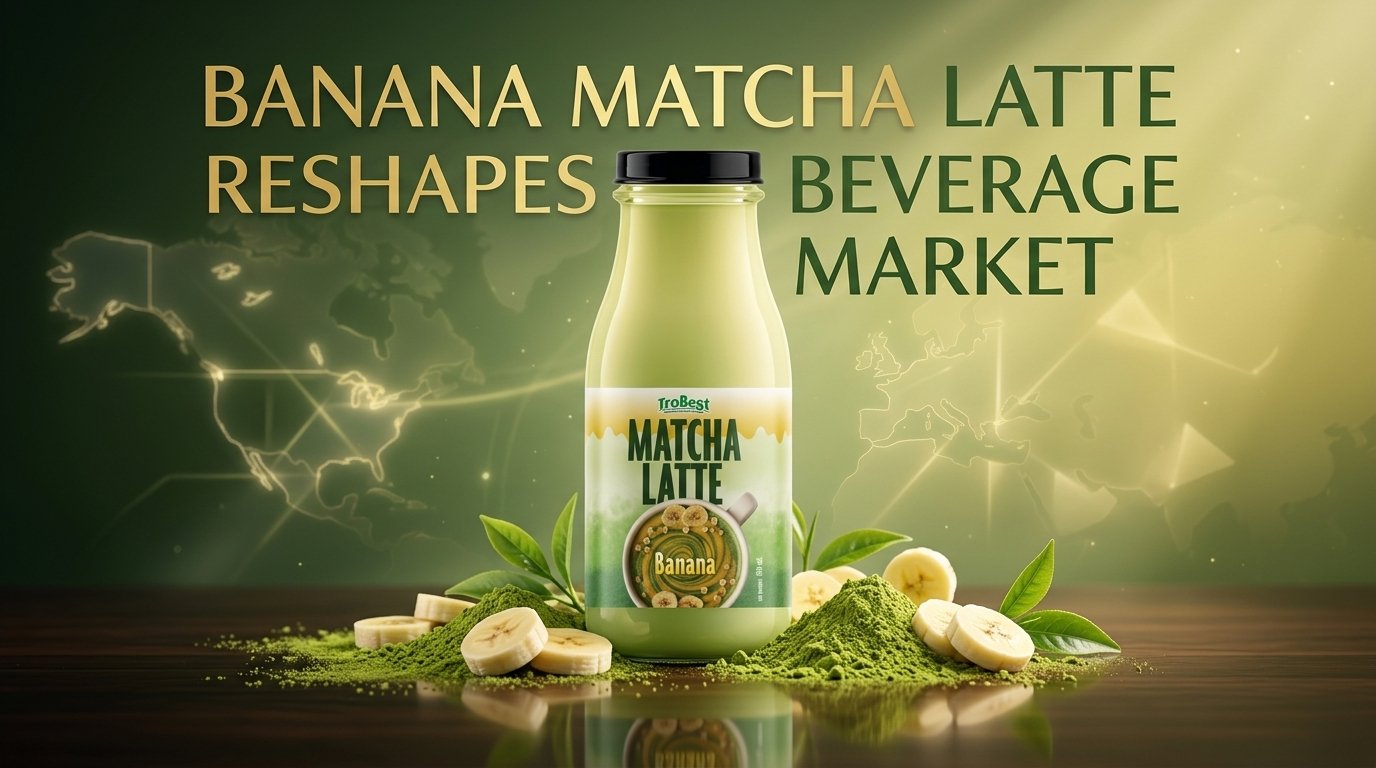
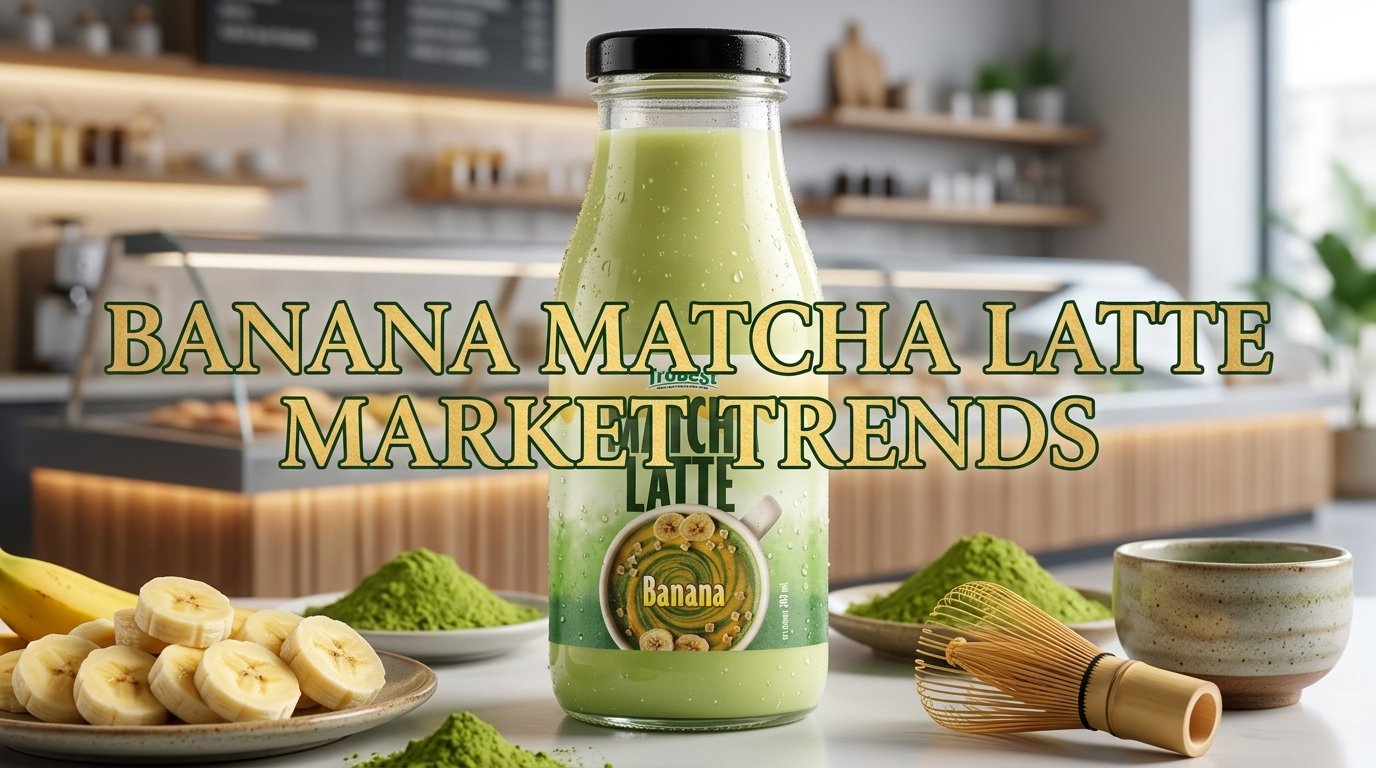
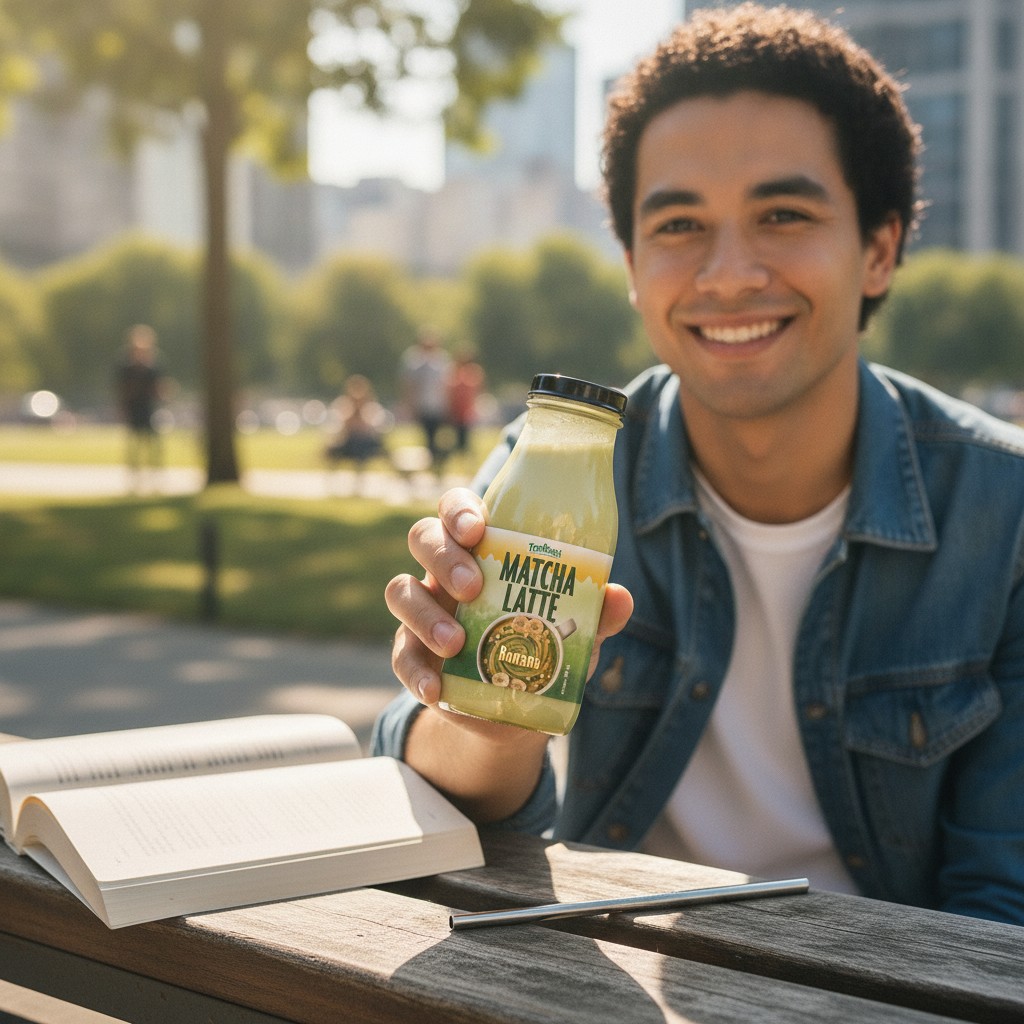
The global ready-to-drink (RTD) beverage market is undergoing a significant transformation, driven by consumers’ desire for unique flavor combinations, premium ingredients, and convenient formats. Among the emerging trends, fusion beverages that blend tropical fruits with traditional teas are gaining substantial traction. One product that exemplifies this shift is the ready to drink banana matcha latte wholesale offering from Trobest — a fusion of ripe banana sweetness and authentic Japanese matcha, packaged in a 280ml amber glass bottle. This article provides an in-depth analysis of the market opportunities for this SKU in the United States and Europe, exploring consumer trends, retail channels, and the strategic advantages for importers, distributors, and private-label partners.
Key Takeaways
- The ready to drink banana matcha latte wholesale market is expanding rapidly, fueled by the convergence of the matcha craze and the demand for fruit-flavored lattes.
- Glass packaging aligns with sustainability trends in the US and Europe, enhancing shelf appeal and product differentiation.
- Importers and distributors can leverage this product to target convenience stores, specialty supermarkets, hotel minibars, and foodservice chains.
- Partnering with a certified manufacturer like Trobest ensures consistent quality, flexible OEM/ODM capabilities, and efficient global logistics.
The Rise of Fusion RTD Lattes: Why Banana Matcha Latte Fits Perfectly
The RTD coffee and tea segment has seen explosive growth over the past five years, with matcha-based drinks leading the charge. Matcha’s distinct umami flavor and vibrant green color have made it a staple in cafés and retail shelves across North America and Europe. Meanwhile, banana-flavored beverages — particularly in the form of smoothies, milkshakes, and plant-based milks — have carved out a loyal following. The combination of banana and matcha creates a balanced, creamy profile that appeals to modern palates seeking novelty without sacrificing familiarity.
Ready To Drink Banana Matcha Latte 280ml Glass.
According to industry reports, the global matcha market is projected to reach USD 5.3 billion by 2028, with RTD formats accounting for a growing share. In the US alone, matcha latte sales in convenience stores rose by 18% year-over-year in 2023. European markets, particularly the UK, Germany, and France, show similar enthusiasm, with matcha appearing in everything from bottled lattes to premium yogurt. Adding banana — a universally loved fruit — expands the flavor’s appeal to consumers who may find pure matcha too bitter or grassy.
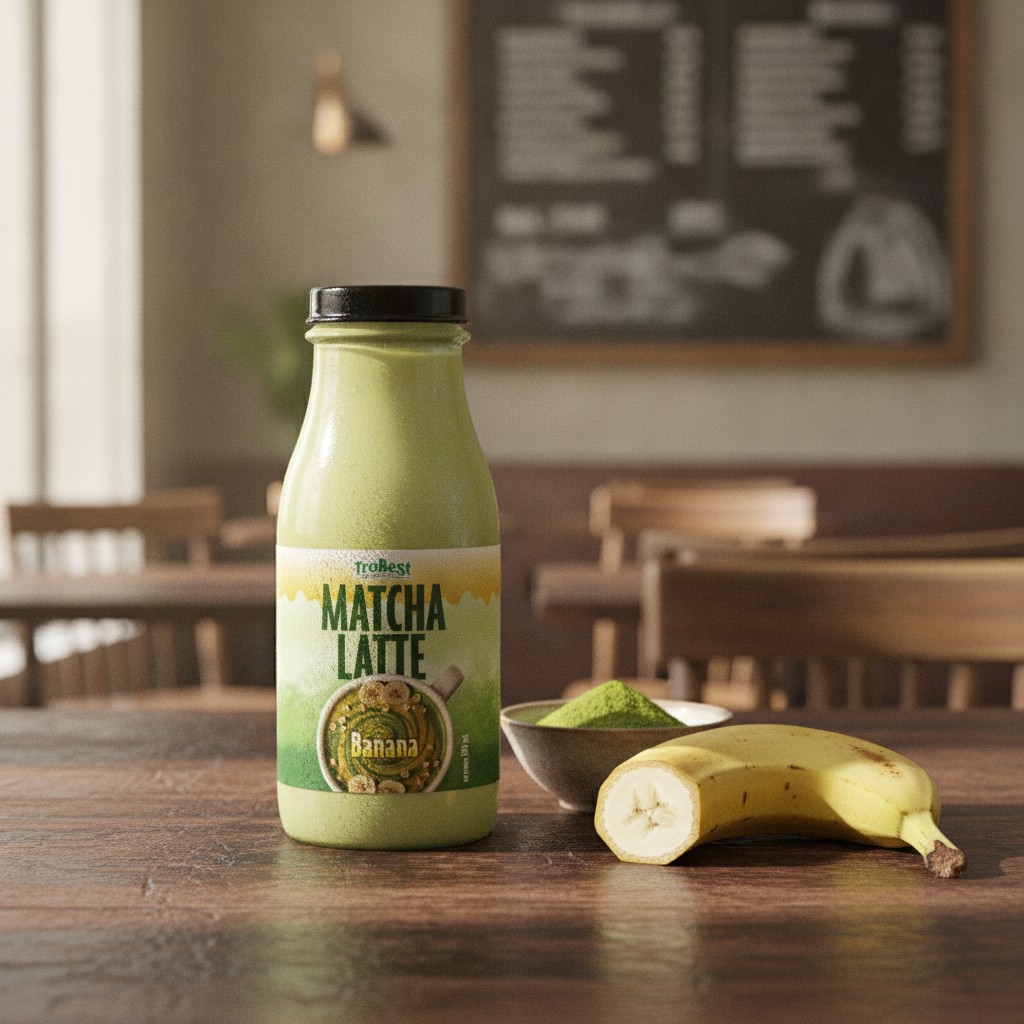
For B2B buyers, this presents a clear opportunity. The ready to drink banana matcha latte wholesale product from Trobest is designed to capture this trend with a ready-to-ship format. Its 280ml glass bottle preserves the delicate matcha notes while offering a convenient, on-the-go experience. Importers and distributors can position this SKU as a premium alternative to standard matcha lattes, especially in markets where fruit-tea mashups are already popular — such as the US West Coast and urban centers in Europe.
Consumer Trends Driving the Banana Matcha Latte Opportunity
- Flavor Exploration: Millennials and Gen Z actively seek out unique flavor blends. The banana-matcha pairing is relatively unexplored in mass-market RTD, offering a first-mover advantage.
- Plant-Based Alignment: While the product contains milk (likely dairy or plant-based depending on formulation), the natural banana sweetness reduces the need for added sugars, aligning with clean-label preferences.
- Premiumization: Glass packaging signals higher quality and allows for eye-catching label designs that stand out on crowded shelves.
- Convenience: The 280ml size is ideal for lunchboxes, office fridges, and quick-service foodservice outlets.
Why the US and Europe Are Prime Targets for This SKU
United States Market Analysis
The US RTD beverage market is the largest in the world, with a strong emphasis on innovation and convenience. Matcha latte products have moved beyond specialty coffee shops into mainstream retail, with brands like Starbucks, Hojicha Co., and private-label store brands offering bottled versions. However, banana-matcha remains a niche. Early adopters in health-conscious cities like Los Angeles, San Francisco, and New York are open to trying such combinations, particularly if marketed as a “café-style” treat. Convenience stores (c-stores) account for over 30% of RTD latte sales in the US, and the Banana Matcha Latte’s glass bottle fits the premium c-store segment.
Furthermore, the US foodservice sector — including hotel minibars, corporate cafeterias, and airport lounges — is increasingly sourcing unique RTD beverages to differentiate their offerings. The product’s 280ml glass bottle is an attractive option for these channels because it conveys a craft image. Importers can leverage Trobest’s bulk shipping capabilities from Vietnam to supply large volumes at competitive prices.
European Market Analysis
Europe presents a slightly different but equally promising landscape. The UK, Germany, and the Netherlands have seen a surge in matcha consumption, driven by the wellness culture and the popularity of Japanese cuisine. However, European consumers are particularly sensitive to packaging sustainability. The amber glass bottle used by Trobest not only protects the matcha from light degradation but also appeals to eco-conscious buyers. Many European retailers have set ambitious targets for reducing plastic waste, making glass a preferred material.
Additionally, European importers often look for private-label opportunities to build their own brand identity. Trobest’s OEM/ODM services allow customization of flavor profiles, sweetness levels, and label designs to suit local palates. For example, a distributor in Germany might request a slightly less sweet version, while a UK buyer may want to emphasize the organic matcha source. The flexibility to adapt the ready to drink banana matcha latte wholesale formula is a key selling point for the European market.
Packaging as a Competitive Advantage: Glass Bottles in the RTD Segment
The choice of packaging is critical for premium RTD beverages. Glass bottles offer several advantages over cans or PET plastic: they are perceived as higher quality, are infinitely recyclable, and provide a superior barrier against oxygen and light. For matcha-based drinks, light protection is especially important because UV rays can degrade the chlorophyll in matcha, leading to off-flavors and color changes. The amber glass bottle effectively blocks harmful light while still allowing a glimpse of the beverage’s attractive green hue.
Sustainability is a major driver in both the US and European markets. According to a 2023 survey, 67% of US consumers and 73% of European consumers consider the recyclability of packaging when making purchase decisions. Glass bottles are widely recycled and can be reused, making them a strong choice for brands that want to communicate environmental responsibility. Additionally, the twist-off cap ensures easy consumption on the go, and the bottle’s shape is optimized for efficient stacking and shipping — reducing freight costs for bulk orders.
For distributors, this means the product not only looks premium on the shelf but also aligns with regulatory trends. For instance, the EU’s Single-Use Plastics Directive has increased pressure on beverage companies to adopt sustainable packaging. By choosing a glass bottle, the Banana Matcha Latte positions itself ahead of potential future regulations.
Shelf Life and Quality Assurance
Trobest’s manufacturing processes ensure a stable shelf life suitable for international shipping. The product undergoes UHT (ultra-high temperature) processing and aseptic filling, which eliminates microorganisms without compromising flavor. The glass bottle’s hermetic seal maintains freshness for up to 12 months (depending on storage conditions). This durability makes it ideal for ocean freight from Vietnam to US or European ports, with minimal risk of spoilage.
Manufacturing Partnerships: Why Trobest Stands Out
Behind every successful RTD product is a reliable manufacturing partner. Trobest, a division of RITA Food & Drink Co., Ltd, brings decades of experience in beverage production and global export. The company operates 50 modern production lines with a monthly capacity of approximately 1,200 containers, serving over 200 countries. Their factory holds certifications including HACCP, HALAL, ISO, GMP, FSSC 22000, USDA Organic, EU Organic, and SMETA/BSCI — ensuring compliance with the stringent food safety requirements of US and European importers.
For buyers exploring the ready to drink banana matcha latte wholesale market, Trobest offers full customization: from adjusting the banana-matcha ratio to creating a private-label brand with unique packaging. The company’s R&D team can develop variants such as oat milk-based, low-sugar, or organic versions to meet specific market demands. Minimum order quantities (MOQ) are flexible, allowing both small-scale test runs and large-scale production runs. This agility is especially valuable for distributors entering a new category like banana matcha latte.
Backing Your Brand with Certified Quality
In the US, the FDA requires rigorous documentation for imported beverages, including facility registration and ingredient safety data. Trobest’s certifications simplify this process, as many are recognized by the FDA through equivalence agreements. Similarly, European importers benefit from the EU Organic certification for organic variants and the BRC food safety standard, which is often a prerequisite for listing in major European retailers. By sourcing from Trobest, importers can reduce the administrative burden and focus on go-to-market strategies.
Practical Applications: Where and How to Distribute
Retail Channels
- Convenience Stores: Quick stops and gas stations are prime locations for single-serve RTD lattes. The 280ml glass bottle fits standard coolers and appeals to impulse buyers.
- Specialty Supermarkets: Chains like Whole Foods, Erewhon (US), and Waitrose (UK) actively seek innovative, premium beverages. The banana matcha latte can be positioned in the “International” or “New Arrivals” section.
- Hotel Minibars: Upscale hotels want unique, non-alcoholic options. The glass bottle adds a touch of luxury, while the flavor intrigue encourages trial.
Foodservice Opportunities
- Cafés and Coffee Shops: Many independent cafés offer bottled versions of their signature lattes. This product can be sold as a retail extension of a café’s brand.
- Corporate Offices: Office catering companies often stock RTD lattes for break rooms. The banana matcha latte provides a caffeine alternative to standard coffee.
- Airline and Train Catering: Premium class meals frequently include branded RTD beverages. The product’s glass packaging passes the “flying” durability test when properly packed.
Conclusion: Seizing the Banana Matcha Latte Opportunity
The fusion of banana and matcha in a ready-to-drink format is not just a trend—it is a response to evolving consumer tastes for novelty, quality, and convenience. For importers, distributors, and F&B businesses targeting the US and European markets, the ready to drink banana matcha latte wholesale solution from Trobest offers a tangible entry point. With its premium glass packaging, customizable recipe, and certified manufacturing, this product addresses the core demands of modern beverage buyers.
As the beverage industry continues to experiment with unexpected flavor pairings, the Banana Matcha Latte stands out as a versatile SKU that can be retailed in multiple channels and adapted to regional preferences. To explore samples, discuss volume pricing, or begin a private-label project, contact Trobest’s B2B team today. For further reading on related product categories, see our coffee drinks and OEM service pages.
Frequently Asked Questions
What is the minimum order quantity (MOQ) for the ready to drink banana matcha latte wholesale?
Can the flavor or sweetness level be customized for private label programs?
What certifications does the product hold for US and European import?
What is the shelf life of the ready to drink banana matcha latte?
Is the banana matcha latte suitable for foodservice distribution?
