Blog
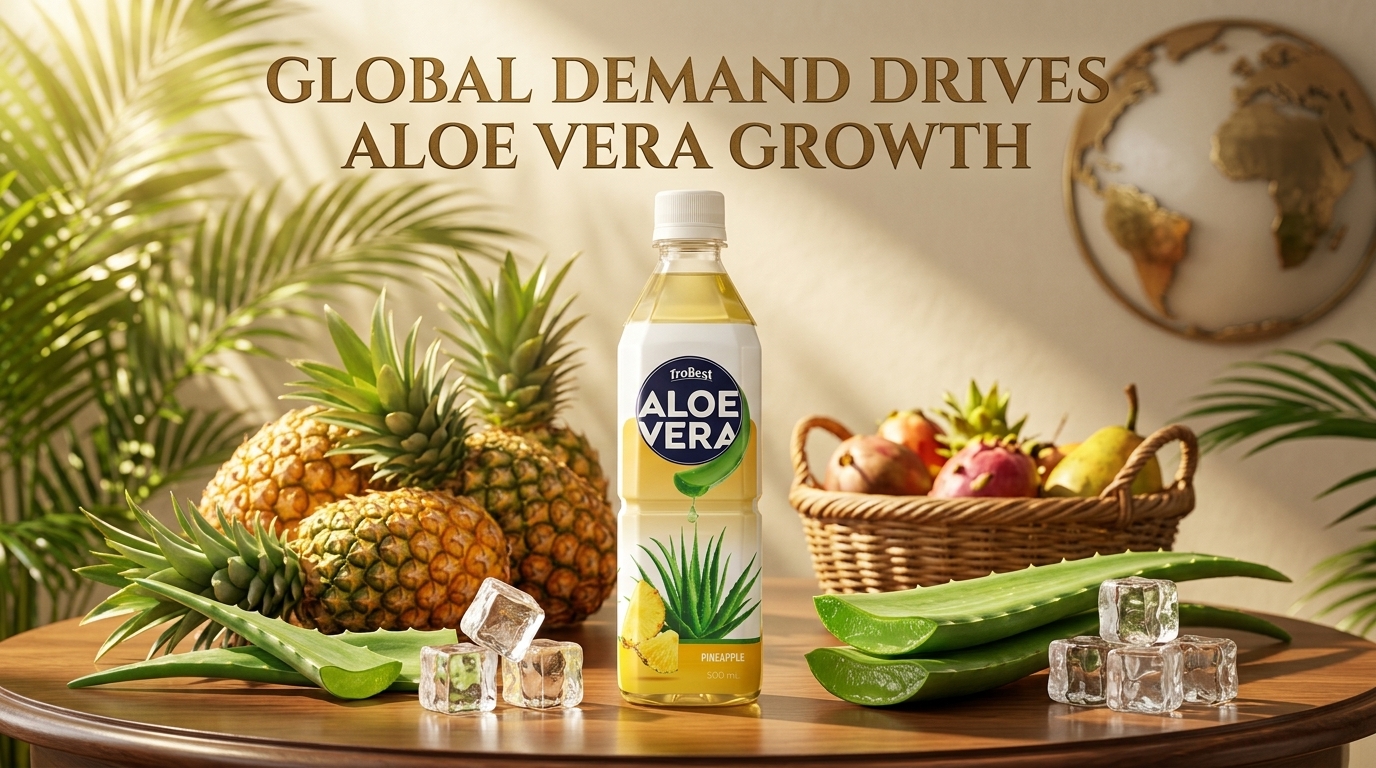
Global Demand Drives Growth for 500ml Aloe Vera Juice with Pineapple in US and European Markets
Jul
The beverage industry continues to evolve as consumers seek refreshing, flavorful options without carbonation. Among the fastest-growing segments is the tropical fruit juice category, where aloe vera drinks have carved a notable niche. The 500ml aloe vera juice with pineapple format has gained traction among importers and distributors who cater to health-conscious shoppers looking for natural ingredients and convenient packaging. This article examines key market trends in the United States and Europe, and how B2B buyers can capitalize on the rising demand for aloe vera beverages.
Key Takeaways
- The US and Europe are leading markets for tropical non-carbonated beverages, with aloe vera juice showing steady growth.
- Convenient 500ml PET packaging aligns with on-the-go consumption habits and retail shelf visibility.
- Premium aloe vera drinks with fruit blends like pineapple appeal to flavor-driven consumers without relying on health claims.
- Private label and OEM sourcing from Vietnamese manufacturers offer cost-effective entry for distributors seeking differentiation.
- Choosing a reliable partner with global certifications and flexible production is essential for consistent supply chain performance.
Consumer Shift Toward Tropical Non-Carbonated Beverages in the United States
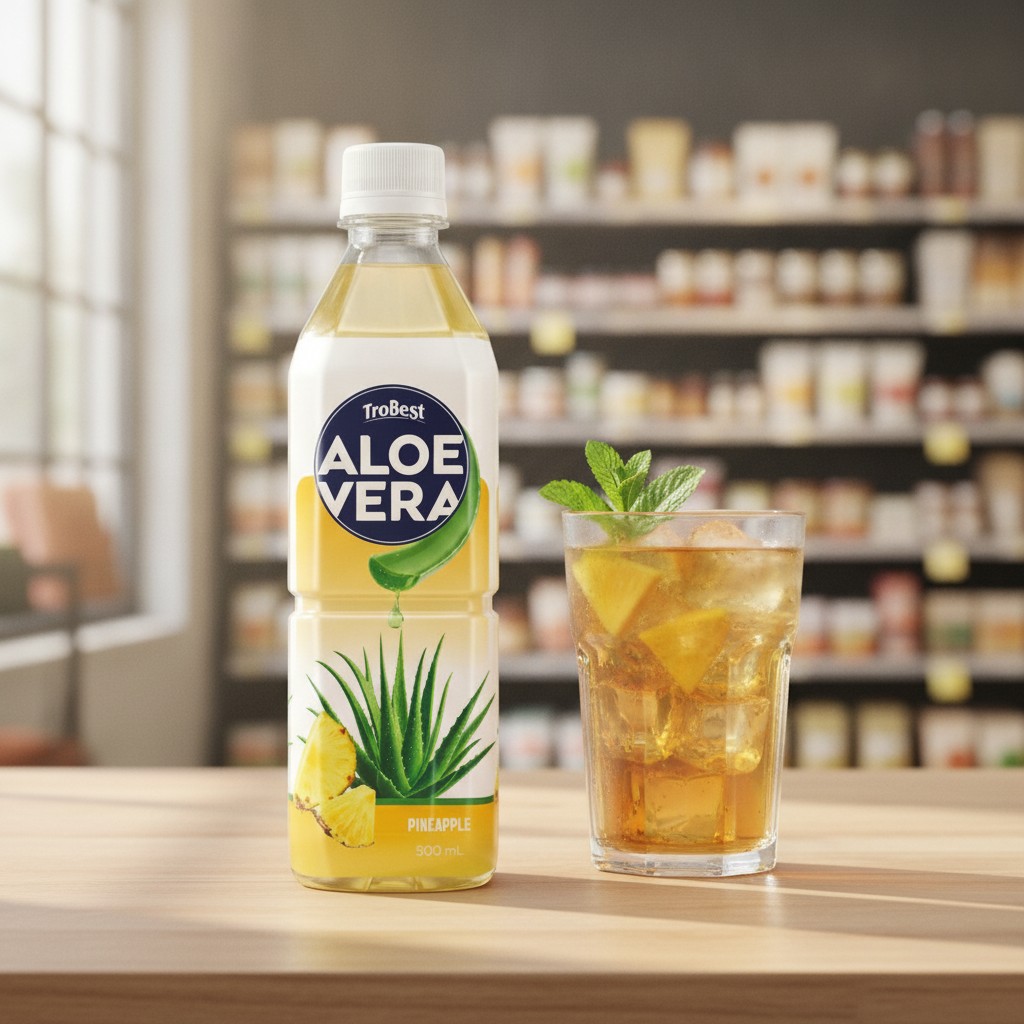
The US beverage market has experienced a clear pivot away from sugary sodas toward more natural, flavorful alternatives. Aloe vera juice, once considered an ethnic specialty, is now mainstream in many grocery chains and specialty retailers. The introduction of fruit-infused variants such as the 500ml aloe vera juice with pineapple has helped broaden its appeal. Pineapple provides a familiar tropical taste that masks the slightly earthy notes of aloe, making the drink more approachable for first-time consumers.
American importers and distributors are particularly interested in shelf-stable, non-refrigerated products that can be shipped efficiently. The 500ml PET bottle format meets these requirements, offering lightweight, shatterproof, and resealable packaging that preserves flavor without added preservatives. For wholesale buyers, this means lower logistics costs and reduced breakage risk compared to glass bottles.
Data from industry reports indicates that the US aloe vera beverage market is projected to grow at a compound annual growth rate (CAGR) of over 7% through 2028. Importers who lock in supply partnerships early stand to gain a competitive advantage. The combination of aloe vera pulp and pineapple juice creates a visually appealing product with visible fruit pieces, an increasingly important factor in consumer decisions.
European Market Trends for Aloe Vera Juice and Fruit Blends
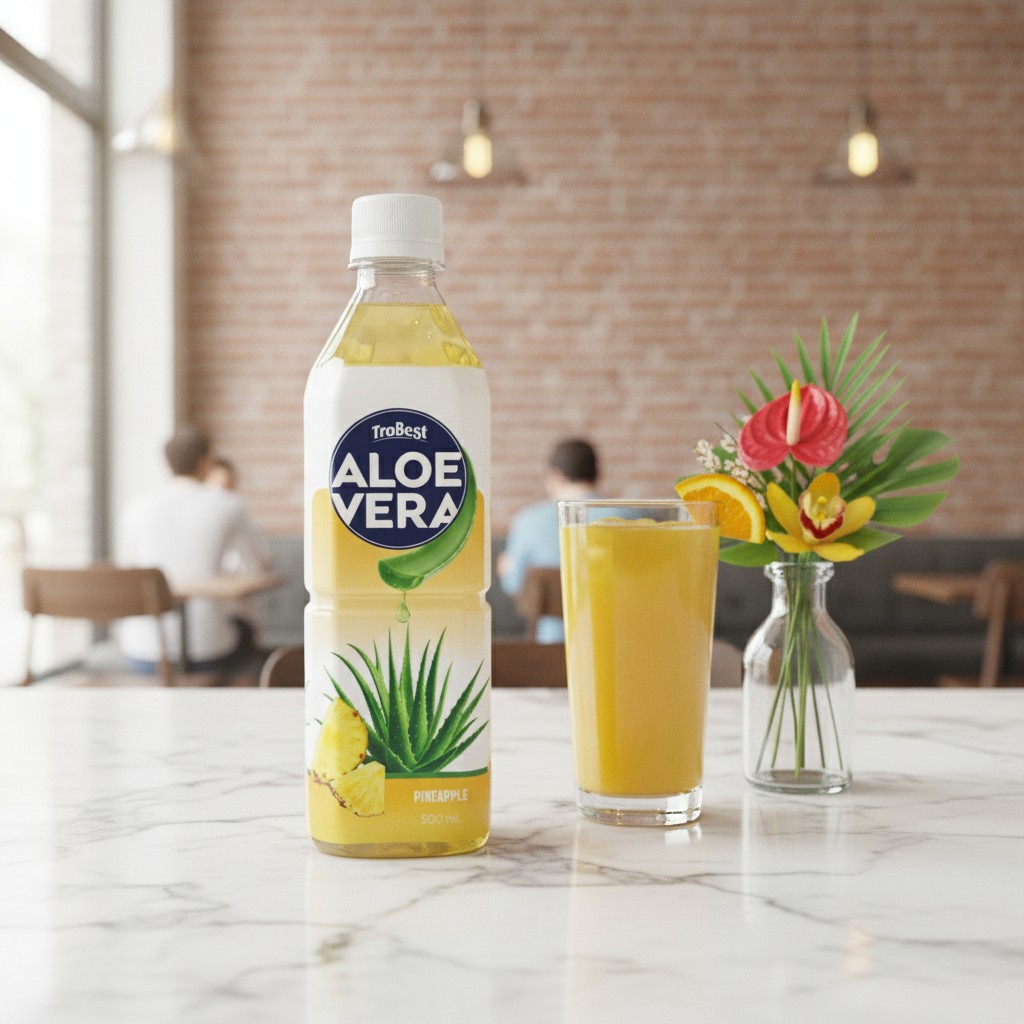
Europe presents a robust market for premium fruit juices and functional drinks, though strict regulations limit health claims. Instead, the focus is on natural ingredients, clean labels, and authentic flavor experiences. The 500ml aloe vera juice with pineapple fits seamlessly into this environment because it highlights natural fruit content (minimum 15% aloe vera pulp) and avoids artificial additives.
Countries like Germany, the United Kingdom, and the Netherlands have seen a surge in demand for aloe vera beverages, particularly among young adults and urban professionals. The resealable PET bottle is ideal for on-the-go consumption in busy city environments. Distributors appreciate the long shelf life of up to 12 months under ambient storage, which simplifies inventory management.
European retailers also prioritize packaging sustainability. PET bottles are fully recyclable, and many manufacturers now offer lighter-weight options or use recycled PET (rPET). Importers sourcing from Vietnam can work with OEM partners to customize packaging with eco-friendly materials, aligning with EU directives on single-use plastics.
Another opportunity lies in the foodservice sector. Restaurants and cafes across Europe are incorporating aloe vera drinks into their menus as a refreshing non-alcoholic option. The 500ml serving size works well for individual sales at point-of-use or for mixing into mocktails. Bulk supply agreements with Vietnamese producers ensure competitive pricing and consistent quality.
Why 500ml PET Packaging Matters for Beverage Importers
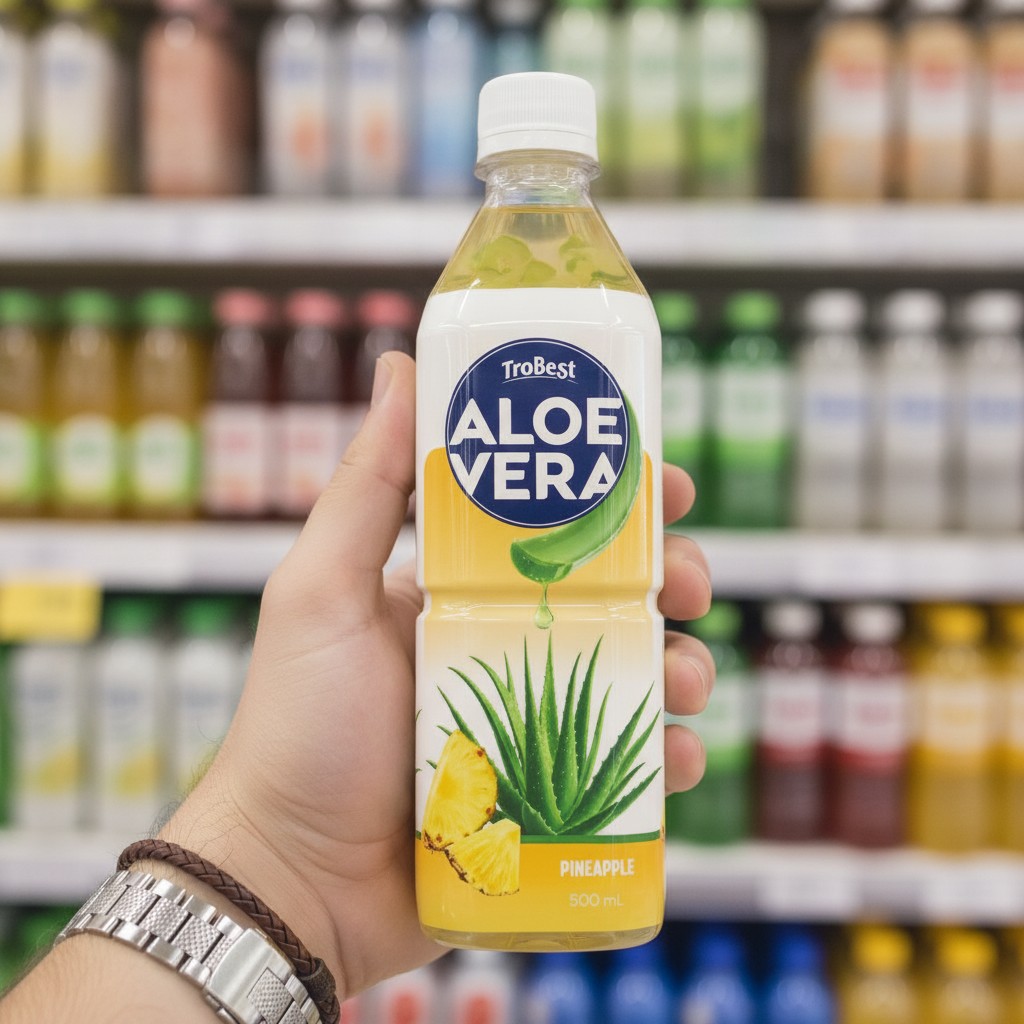
Packaging plays a decisive role in the success of any beverage product, especially in competitive import markets. The 500ml PET bottle format offers a balance between portability and value. For distributors targeting both retail and foodservice channels, the 500ml aloe vera juice with pineapple in PET provides versatility.
From a logistics perspective, PET bottles are lighter than glass, reducing shipping costs by up to 30%. They are also unbreakable, which minimizes product loss during transit and handling. The resealable cap maintains freshness after opening, a feature that consumers appreciate and that reduces waste.
In retail environments, the 500ml size fits neatly onto shelf shelving and is easy to merchandise. Clear PET showcases the aloe vera pulp and pineapple juice, creating visual appeal without additional on-pack imagery. Private label buyers can differentiate through custom labeling, shrink sleeves, or unique cap colors, all of which are supported by OEM partners like Trobest.
Technical specifications such as a Brix range of 10-12°Bx (customizable) and aseptic filling ensure product stability and taste consistency over the 12-month shelf life. Importers should verify that their supplier adheres to HACCP, ISO, FSSC, or equivalent certifications to meet local regulatory requirements.
Sourcing Opportunities for Private Label Aloe Vera Drinks from Vietnam
Vietnam has emerged as a leading hub for tropical fruit juice manufacturing, particularly for aloe vera-based products. Manufacturers like Trobest (part of the RITA group) operate over 50 production lines with a monthly capacity of 1,200 containers. This scale enables them to offer competitive pricing even for small to medium volume orders, while maintaining flexibility for custom formulations.
For importers looking to launch their own brand of 500ml aloe vera juice with pineapple, private label services typically include formulation adjustment (sweetness, aloe content, pineapple concentration), packaging design, and regulatory support for target markets. With certifications such as HALAL, KOSHER, BRC, and USDA Organic, Vietnamese manufacturers can service the US, Europe, Middle East, and Asia-Pacific regions.
One of the key advantages of partnering with a Vietnamese supplier is the ability to test small batches before committing to large volumes. Many factories offer flexible minimum order quantities (MOQs) for sample runs. Once the product is market-validated, scaling up is straightforward thanks to the large production capacity.
Importers should also consider the strategic location of Vietnamese ports for shipping to both US West Coast and European hubs. Transit times are competitive, and the country’s growing reputation for food safety and quality assurance reduces due diligence risk.
Navigating Supply Chain and Certification Requirements
Entering new markets with an imported beverage requires careful attention to compliance. In the United States, the FDA regulates fruit juices under 21 CFR, requiring proper labeling of ingredients, net quantity, and allergen info. While the product itself cannot carry health claims, importers must ensure that any statements about “natural” or “no artificial preservatives” are substantiated.
In Europe, the EU Novel Food Regulation may apply if certain ingredients are not traditionally consumed. Aloe vera juice, however, has a long history of safe use and is generally accepted when the whole leaf is used appropriately. Importers should request a Certificate of Free Sale and other documentation from the manufacturer to facilitate customs clearance.
500ml aloe vera juice with pineapple suppliers like Trobest typically provide full documentation for HACCP, ISO, FSSC, and HALAL. For buyers targeting the Middle East, HALAL certification is non-negotiable. For Japan or Korea, additional microbiological testing may be required. A reputable OEM partner will assist in obtaining the necessary certificates to streamline market entry.
Expanding Aloe Vera Beverage Distribution in Retail and Foodservice
Beyond traditional grocery stores, the 500ml aloe vera juice with pineapple can be positioned in multiple channels. In the US, convenience stores and gas stations are high-velocity outlets for single-serve beverages. The 500ml size is ideal for these locations, offering a price point between 12oz cans and larger 1L bottles.
In Europe, the product can be marketed through specialty health food stores, organic supermarkets, and even coffee shops. Many consumers already associate aloe vera with skin health, but without making any claims, the drink can simply be positioned as a delicious tropical refreshment. The visible aloe pieces serve as a differentiator against standard fruit juices.
Foodservice applications also provide a growth avenue. Restaurants, smoothie bars, and hotels are always looking for unique, shelf-stable ingredients to create signature drinks. The 500ml bottle allows bartenders to use portions without opening larger containers, reducing waste. Private label versions can be tailored with custom flavors or brix levels to suit specific recipes.
For distributors, offering a range of pack sizes—such as 1L for foodservice alongside 500ml for retail—can maximize revenue. Aloe vera juice drink suppliers with flexible production lines can accommodate multipacks, shrink-wrapped trays, or display ready cartons.
Frequently Asked Questions
1. What is the typical shelf life of 500ml aloe vera juice with pineapple in PET bottles?
The product has a shelf life of up to 12 months from the production date when stored under ambient conditions away from direct sunlight. The aseptic filling process ensures product stability without refrigeration.
2. Can I customize the sweetness or aloe vera pulp content for my private label?
Yes, most OEM manufacturers offer flexibility in Brix level (typically 10–12°Bx) and aloe vera pulp percentage (minimum 15% but can be increased). Pineapple concentration can also be adjusted to match target market preferences.
3. What certifications are important when importing aloe vera juice from Vietnam?
Essential certifications include HACCP, ISO 22000, FSSC 22000, and HALAL (for Middle East/Asia). Additional Kosher, BRC, or Organic certifications may be required depending on the destination market.
4. Is the 500ml PET bottle recyclable and accepted in European recycling systems?
Yes, PET is widely recyclable. The bottle is made from food-grade PET that can be processed through existing recycling streams. Some manufacturers offer options using recycled PET (rPET) to meet sustainability goals.
5. How can I start bulk importing 500ml aloe vera juice with pineapple for my distribution business?
Contact the supplier directly to request a product specification sheet and sample. Discuss MOQ, labeling requirements, and shipping terms. Many Vietnamese producers offer low-volume trial orders before scaling up to full container loads.
