Blog
From Dong Thap Guava Orchards to Trobest Guava Juice: Discovering the Story Behind the Ingredients
Sep
From Dong Thap Guava Orchards to Trobest Guava Juice: Discovering the Story Behind the Ingredients
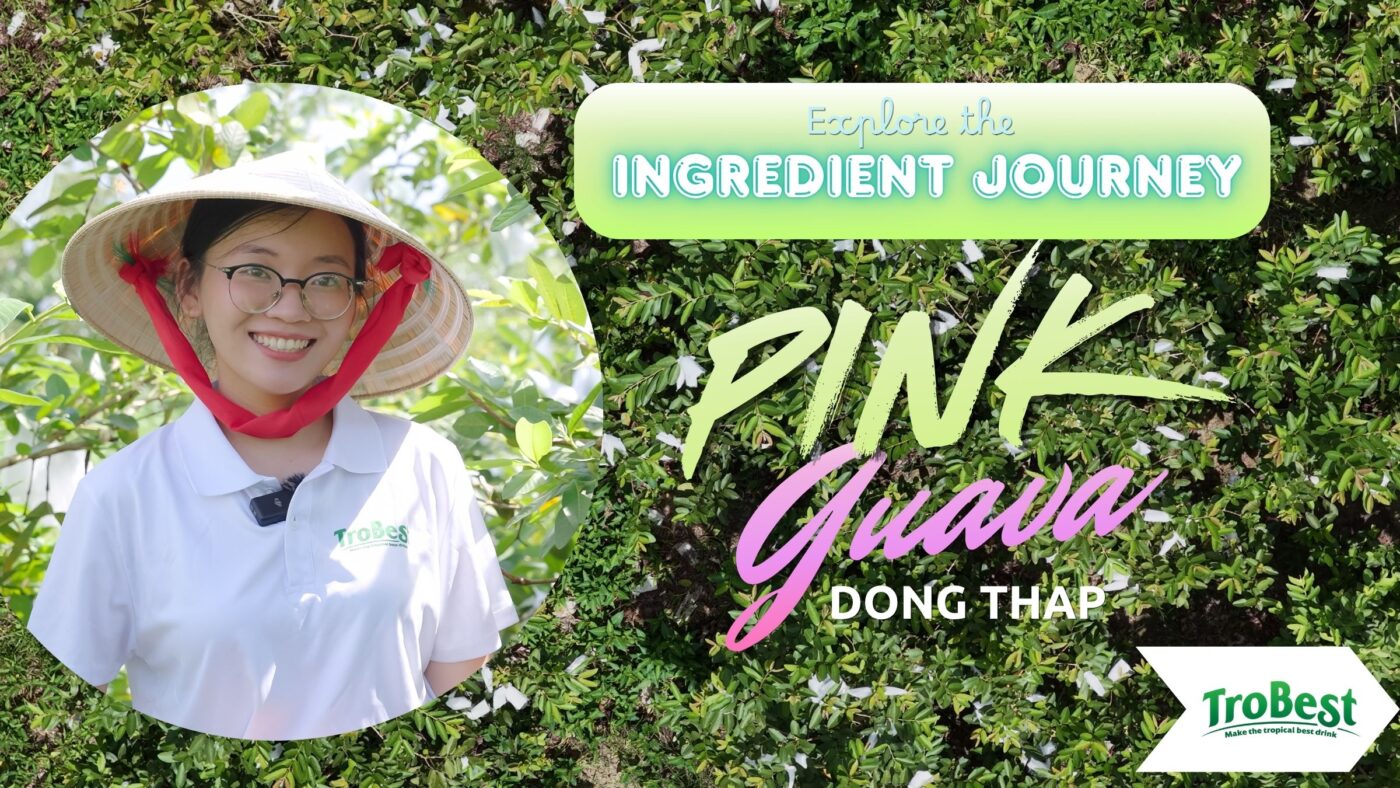
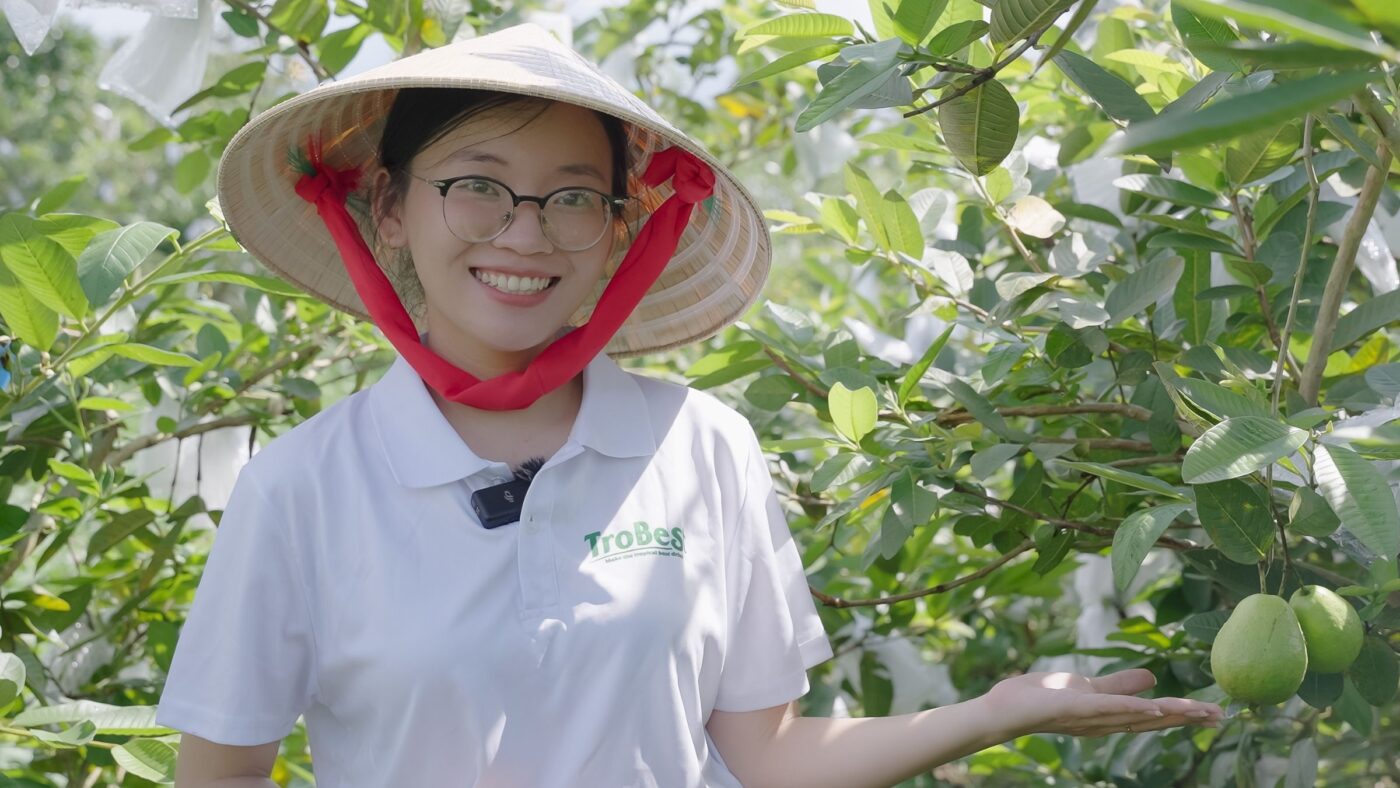
From the green orchards of Dong Thap to the production facilities of Trobest, every bottle of guava juice begins with an important first step: the ingredients. To better understand this journey, the Trobest team recently visited a guava orchard in Dong Thap, a familiar agricultural region in southern Vietnam where fruit cultivation is closely connected with the daily lives of local farmers.
The trip was more than a visit to an orchard. It was an opportunity to look closely at where guava begins its journey, learn more about the cultivation process, meet the people behind the crops, and understand why a suitable growing area is an important part of developing a reliable ingredient source for beverage production. So, what makes Dong Thap a suitable place for growing guava, and why has Trobest selected guava from this area as an ingredient source for its guava juice?
Key Takeaways
- Discover Trobest Guava Farm – Explore the guava-growing area and the story behind Trobest’s farm.
- Fresh Guava from the Farm – Learn more about the guava varieties cultivated and harvested at the farm.
- From Cultivation to Harvest – Discover the main stages of growing, caring for, and harvesting guavas.
- A Closer Look at Guava Farming – Gain insights into the farming practices and daily work involved in cultivating guavas.
- Connecting People with Local Agriculture – Discover how Trobest highlights local farming and the value of fresh agricultural products.
Discovering Dong Thap: A Land Closely Connected to Agriculture
Located in the Mekong Delta, Dong Thap is well known for its agricultural landscapes, waterways, rice fields, and fruit-growing areas. Across the province, farming remains closely connected with local communities, with many farmers dedicating their time and experience to cultivating different types of crops. Fruit trees are an important part of this agricultural picture. Depending on the area and growing conditions, farmers cultivate a variety of fruits, creating diverse orchards across the region.
Among these fruits, guava has become one of the crops grown by local farmers.
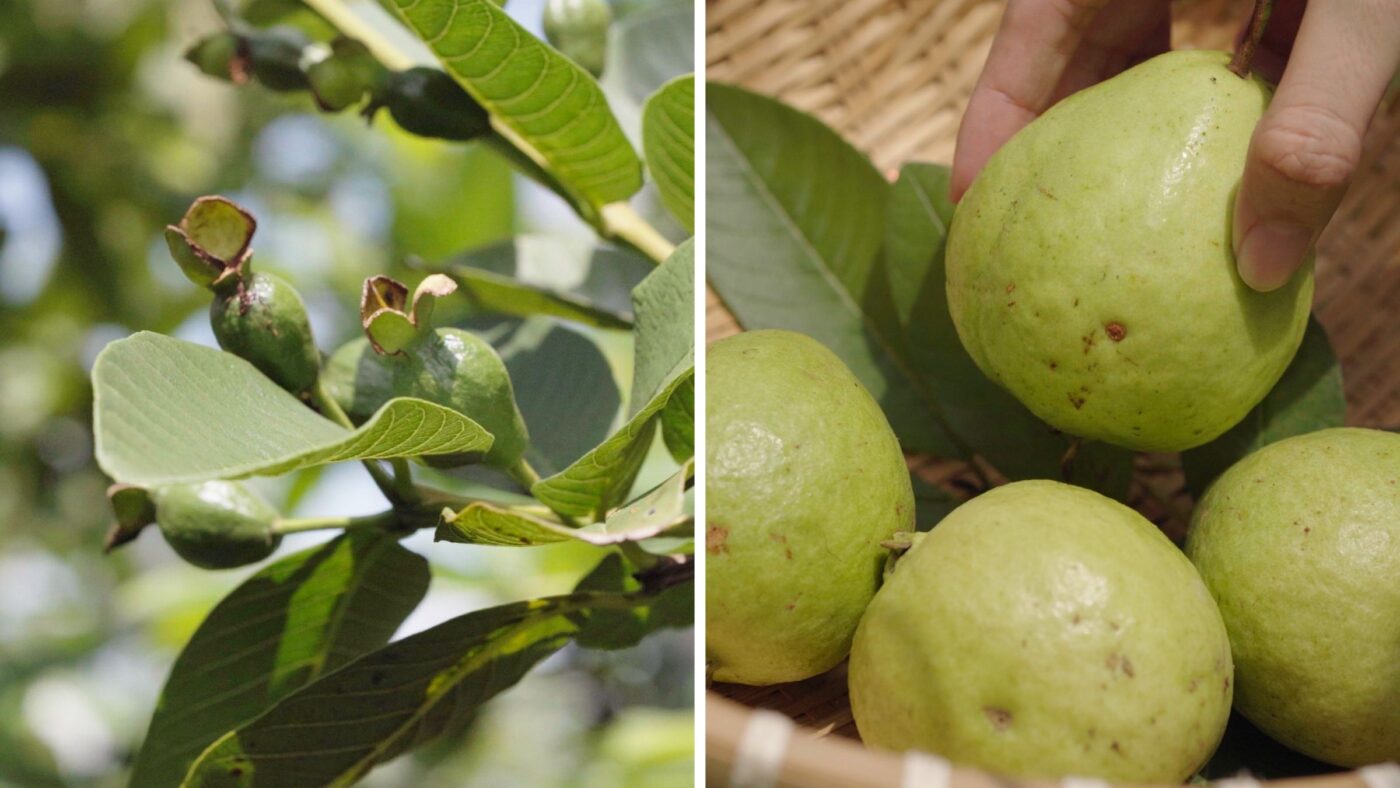
During the visit, the green landscape of the orchard immediately offered a different perspective on guava compared with seeing the fruit as a finished ingredient or beverage product. On the trees, the guavas were still part of a much longer process. Each fruit represented weeks and months of cultivation, monitoring, and care. Walking through the orchard also helped highlight an important point: the journey of a beverage product does not begin at the factory. It begins much earlier, in the agricultural areas where its ingredients are grown. For Trobest, visiting the orchard provided an opportunity to understand this first stage more closely.
Why Is Guava Grown in Dong Thap?
The cultivation of any fruit tree depends on a combination of natural and agricultural conditions. Soil, water availability, weather, farming practices, and the experience of local growers all contribute to the development of an orchard. For guava, these factors are particularly important because farmers need to monitor the trees throughout their growing cycle.
Dong Thap provides an agricultural environment where fruit cultivation has developed over many years. The region’s farming communities have accumulated practical experience in working with local growing conditions and adapting cultivation practices according to seasonal changes.
For farmers, selecting a suitable location is only the beginning. Once the trees are planted, regular care becomes essential. The development of a guava orchard requires attention at different stages, from preparing the soil and selecting planting materials to watering, fertilizing, pruning, monitoring the trees, protecting the developing fruit, and eventually harvesting. This means that a productive orchard is not simply the result of favorable natural conditions.
It is the result of natural conditions combined with consistent agricultural work. And this is where the story of every guava begins.
2. From Planting to Harvest: The Journey of a Guava Tree
Preparing the Orchard
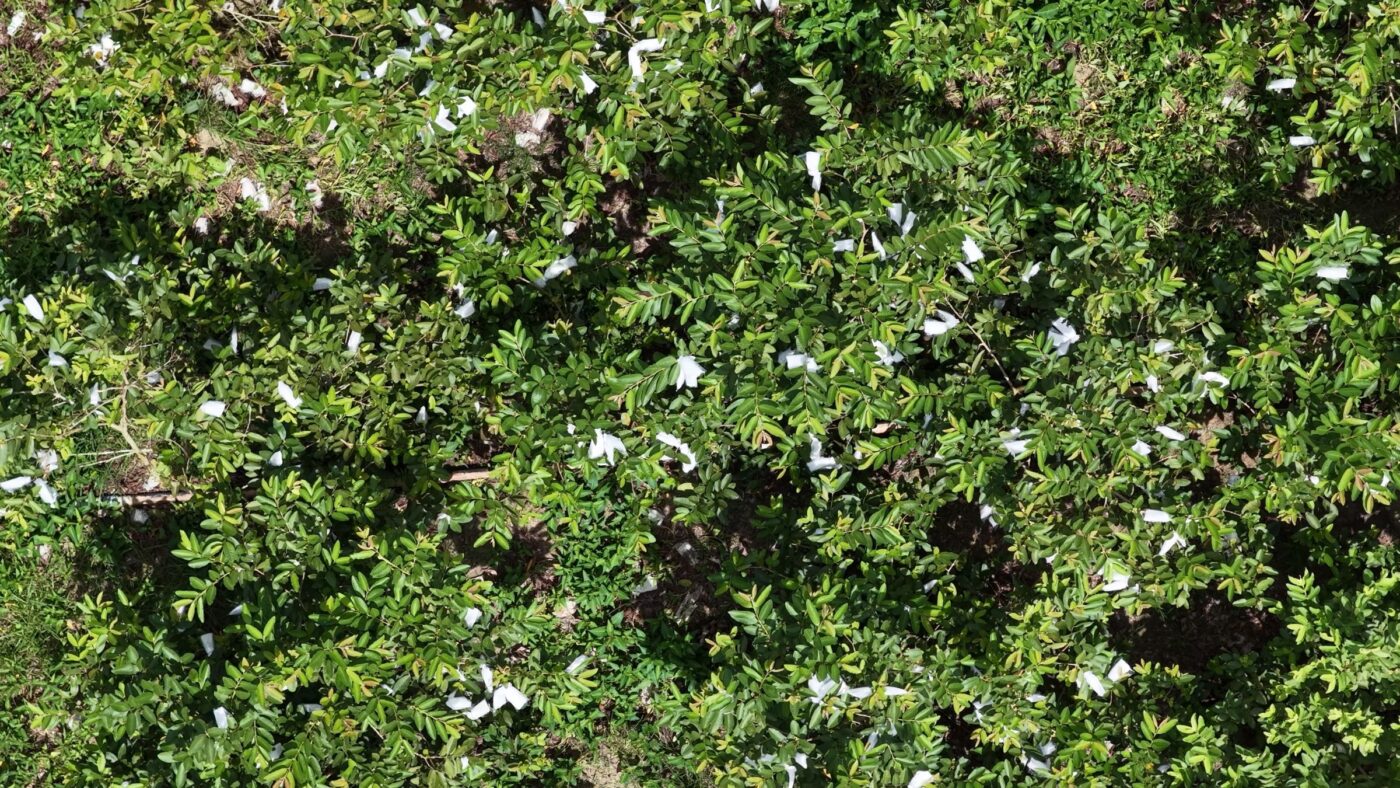
Before planting, farmers need to prepare the growing area carefully. Soil conditions, drainage, planting arrangements, and access to water are among the factors that need to be considered. The layout of the orchard also matters. Trees need sufficient space to develop, while farmers need enough room to move through the orchard and carry out regular cultivation work. Once the growing area is prepared, suitable planting materials can be selected and planted. From this point forward, the trees require continuous attention.
Caring for the Trees
Guava trees need regular care throughout their development. Farmers monitor the trees, provide water when necessary, manage nutrients, prune branches, and observe changes in the plants. These activities may seem routine, but they are repeated throughout the growing cycle. Pruning, for example, is not simply about removing branches. It can also help farmers manage the structure of the trees and make it easier to monitor the developing fruit. Likewise, watering is not a one-time task. Farmers need to consider weather conditions and the requirements of the orchard throughout different periods. Every stage requires observation and adjustment.
Protecting the Developing Fruit
Once fruit begins to develop, farmers continue monitoring the orchard closely. Weather changes, insects, plant diseases, excessive rain, strong sunlight, and other environmental factors can affect cultivation. Because of this, farmers need to regularly inspect the trees and respond to conditions in the orchard. Protecting the fruit requires time and attention. It is also one of the stages where the experience of the farmer becomes especially important. Farmers who spend years working with their crops gradually become familiar with the changes that take place throughout the growing cycle.
Harvesting the Guava
Harvesting is the moment when the work carried out throughout the growing cycle finally becomes visible. Farmers need to identify fruit that has reached the appropriate stage for harvesting and handle it carefully. After harvesting, the fruit can be sorted and prepared for the next stage of its journey. From planting to harvesting, there is no single shortcut. The process is built from many small tasks carried out repeatedly. A green guava orchard does not happen by chance. It is the result of continuous observation, cultivation, and care.
3. Behind Every Guava Is the Work of a Farmer
One of the most memorable parts of the visit was seeing the people behind the orchard. When consumers see guava in a market, restaurant, supermarket, or beverage product, it is easy to focus only on the fruit itself. But behind every fruit is a farmer who has spent time preparing the land, caring for the trees, monitoring the weather, protecting the crops, and deciding when the fruit is ready to be harvested.
Agricultural work is often built around repetition. Farmers may perform the same types of tasks many times throughout a growing season, but the conditions are never exactly the same. Weather changes. Rainfall changes. Temperatures change. Plants respond differently at different stages. This means that farmers need to observe their orchards continuously. A visit to the guava orchard offered Trobest an opportunity to see this process from a closer perspective. The trees may look calm and green from a distance, but maintaining an orchard involves considerable daily effort.
Farmers walk between rows of trees, inspect the leaves and branches, monitor the developing fruit, manage the soil, and carry out cultivation work according to the needs of the orchard. There are also challenges that cannot always be predicted. Heavy rain can affect the growing environment. Periods of intense sunlight can create additional challenges. Insects and plant diseases require monitoring. Changes in weather can influence cultivation schedules.
For farmers, working with nature means constantly adapting. This is why agricultural experience matters. A farmer does not simply grow a crop according to a fixed schedule. They observe, make decisions, adjust their work, and continue learning from each growing season. Every harvested guava therefore represents more than a piece of fruit. It represents land, time, cultivation, experience, and human effort. This is an important part of the story Trobest wants to share when talking about its ingredient journey.
4. Why Trobest Chooses Dong Thap as an Ingredient Source for Guava Juice
For a beverage manufacturer, the selection of ingredients is an important part of product development and production planning. The ingredient journey begins with identifying suitable agricultural sources and understanding how the ingredients are cultivated. For Trobest, the relationship between the growing area and the finished beverage is an important part of the story behind its guava juice. Selecting an ingredient source involves considering several factors, including origin, growing conditions, ingredient characteristics, supply consistency, and suitability for production requirements.
Clear Ingredient Origin
Knowing where ingredients come from provides an important foundation for understanding the supply chain. The journey from an agricultural area to a finished beverage involves multiple stages. Having a clear connection with the growing area helps create a more transparent picture of where the ingredient journey begins. For Trobest, visiting the guava orchard helps connect the final product with its agricultural starting point.
Suitable Growing Conditions
The conditions in which fruit is cultivated are another important consideration. Soil, water, weather, cultivation methods, and local farming experience all influence the agricultural environment. Dong Thap has a strong agricultural background and established fruit-growing activities, making it an important location to explore when developing ingredient sources.
Ingredient Consistency
For beverage production, consistency is an important consideration. A beverage manufacturer needs to understand its ingredient sources and production requirements in order to maintain a stable production process. This makes the relationship between agricultural sources and manufacturers particularly important.
Rather than viewing the orchard and factory as two separate parts of the supply chain, the journey can be seen as one connected process:
Growing area → Farmers → Harvest → Ingredient preparation → Production → Finished beverage
Each stage contributes to the final result.
5. From the Orchard to the Final Product: The Trobest Journey
The visit to Dong Thap also offered a chance to look at the relationship between agriculture and beverage manufacturing from a broader perspective.
Trobest’s product journey does not begin when a bottle is filled and packaged. It starts much earlier, with understanding the ingredients and identifying suitable sources. It continues through relationships with agricultural partners and suppliers, moves into the manufacturing process, and eventually reaches the finished product. For guava juice, Dong Thap represents one important point in this journey.
The orchard provides the agricultural beginning. Farmers provide the daily work required to cultivate the fruit. Ingredient sourcing connects the agricultural area with manufacturing. Trobest then brings the ingredient into its beverage production process. The final product is the result of these connected stages. This connection between the farm and the factory is also part of what makes an ingredient story worth exploring. Rather than simply introducing a finished beverage, Trobest can take consumers further back—to the place where the ingredient begins.
A Closer Look at the People Behind the Ingredients
A major takeaway from the visit is that ingredients are not simply sourced from a location. They come from a process, and that process involves people. Farmers play an essential role in agricultural production. Their knowledge of the land, understanding of seasonal conditions, and daily cultivation work all contribute to the development of the crop.
For Trobest, recognizing this connection means looking beyond the final product. A guava orchard is not only a source of fruit; it is also a place where agricultural knowledge, local experience, and daily work come together. This perspective gives greater meaning to the journey from Dong Thap to Trobest.
When the guavas leave the orchard, they carry with them the result of an entire cultivation cycle. When they enter the production process, they become part of another journey. Eventually, they become part of a finished beverage that can be introduced to customers in different markets.
This journey shows that every finished product is connected to the people, places, and processes behind its ingredients. For Trobest, the story of guava juice therefore begins long before the beverage reaches the bottle—it begins in the orchard.
From Local Orchards to Global Beverage Products
The connection between local agricultural areas and beverage manufacturing demonstrates how a regional ingredient can become part of a broader product journey. Dong Thap is rooted in local agriculture, while Trobest operates within the beverage industry and works with different ingredients and product concepts. When these two parts connect, the journey can begin locally and eventually reach customers in different markets.
For Trobest, this connection is an important part of its approach to product development and ingredient sourcing. The goal is not simply to identify an ingredient, but to understand where it comes from, how it is cultivated, how it moves through the supply chain, and how it can be incorporated into a finished beverage.
Beyond its Guava Juice, Trobest also offers a diverse range of beverage products designed around different ingredients and flavor concepts. Its portfolio includes coconut water, sparkling beverages, and chia-based drinks, providing customers with more choices across different product categories. By working with a variety of ingredients and beverage concepts, Trobest continues to expand its product range while exploring new combinations and opportunities in the beverage market.
Trobest: Connecting Ingredients, Farmers, and Finished Products
From the green fields of Dong Thap to the production environment at Trobest, the journey of guava juice involves many different people and stages. Dong Thap → Guava Orchard → Farmers → Harvest → Ingredient → Trobest → Guava Juice → Customers.
Every stage has its own role. The orchard provides the growing environment, farmers care for the trees, and harvesting begins the next stage. Ingredient sourcing connects agriculture with manufacturing, while Trobest brings the ingredient into its beverage production process. Eventually, the finished product reaches customers in different markets.
This connected journey is what Trobest wants to highlight through its visit to the guava orchard. It is a story about ingredients, but also about people, places, cultivation, manufacturing, and the many steps between a fruit growing on a tree and a finished beverage reaching the market.
Looking Beyond the Bottle
A finished beverage often represents only the final stage of a much longer story. For Trobest Guava Juice, that story can be traced back to the guava orchards of Dong Thap. The journey begins with the land, continues with the farmers who cultivate the trees, moves through harvesting and ingredient preparation, reaches Trobest’s production process, and finally becomes a finished product ready to be introduced to customers.
The orchard visit helped bring this story to life. It showed that every ingredient has an origin, and every origin has its own story. By visiting the growing area, Trobest gains a closer understanding of the agricultural side of its products while also recognizing the people and processes behind the ingredients.
This connection is an important part of Trobest’s ongoing approach to developing beverage products and exploring ingredient sources. From the orchard to the finished beverage, every stage contributes to the journey of the product.
Frequently Asked Questions About Trobest Guava Juice and Its Guava Ingredient
1. Where does the guava used for Trobest Guava Juice come from?
Trobest sources guava from suitable growing areas, including guava orchards in Dong Thap. The growing area is an important part of the ingredient journey behind Trobest Guava Juice.
2. Why is Dong Thap suitable for growing guava?
Dong Thap has a strong agricultural background, with fruit cultivation taking place across different areas of the province. Soil, water availability, weather conditions, and local farming experience are among the factors that support agricultural activities in the region.
3. How is guava cultivated in the orchard?
Guava cultivation involves several stages, including preparing the growing area, selecting planting materials, planting, watering, fertilizing, pruning, monitoring the trees, protecting developing fruit, and harvesting.
4. What challenges do guava farmers face?
Farmers need to deal with changing weather conditions, periods of heavy rain or strong sunlight, insects, plant diseases, and other factors that may affect cultivation. Regular monitoring and appropriate farming practices are therefore important throughout the growing cycle.
5. Why is the ingredient source important to Trobest?
Understanding the ingredient source allows Trobest to better connect the agricultural stage with its beverage production process. Origin, growing conditions, ingredient characteristics, supply consistency, and production requirements are among the considerations involved in ingredient sourcing.
6. What is the journey from guava orchard to Trobest Guava Juice?
The journey can be summarized as:
Guava Orchard → Cultivation → Harvest → Ingredient Preparation → Beverage Production → Trobest Guava Juice
Each stage contributes to the journey from agricultural ingredient to finished beverage.
7. Who contributes to the production journey behind Trobest Guava Juice?
Many people contribute to the journey, including farmers, agricultural partners, ingredient suppliers, production teams, quality and operational teams, packaging teams, and distribution partners.
8. What did Trobest learn from visiting the guava orchard?
The visit provided a closer look at guava cultivation, the work of local farmers, the agricultural environment, and the connection between the ingredient source and the finished beverage.
9. What does Trobest aim to bring to customers through its products?
Trobest aims to develop beverage products by connecting suitable ingredients, production capabilities, and product concepts. Understanding the journey from ingredient source to finished product is an important part of this process.
10. What is the main story behind Trobest Guava Juice?
At its heart, the story is about a journey—from the guava orchards of Dong Thap, through the work of farmers and ingredient sourcing, to Trobest’s beverage production process and the finished guava juice product.
