Blog
Regulatory Shifts in Functional Hydration: Coconut Water Insights
Sep
The global functional beverage market is undergoing a profound transformation as regulatory frameworks tighten across major economies. Governments and trade bodies are imposing stricter rules on labeling, ingredient sourcing, and safety certifications, particularly for products that bridge the gap between refreshment and performance. Coconut water, once a niche tropical drink, has emerged as a flagship category in this space, thanks to its natural electrolyte profile and clean ingredient list. However, navigating these evolving compliance landscapes requires manufacturers to stay ahead of policy changes while maintaining product integrity.
Against this backdrop, products like passion fruit coconut water with electrolytes are gaining traction among distributors and retailers seeking compliant, scalable offerings. This article examines how regulatory trends are shaping the production, export, and marketing of such beverages, with a focus on real-world adaptation strategies.
Key Takeaways
- Global beverage regulations are evolving rapidly, especially for functional hydration products containing coconut water and added electrolytes.
- Certifications such as BRC, FSSC 22000, and Halal are becoming baseline requirements for market entry in many regions.
- Sourcing raw materials from certified farms in Vietnam ensures traceability and compliance with international food safety standards.
- OEM/ODM partnerships with experienced manufacturers offer a streamlined path to market for private-label brands.
The Shifting Regulatory Landscape for Coconut Water Beverages
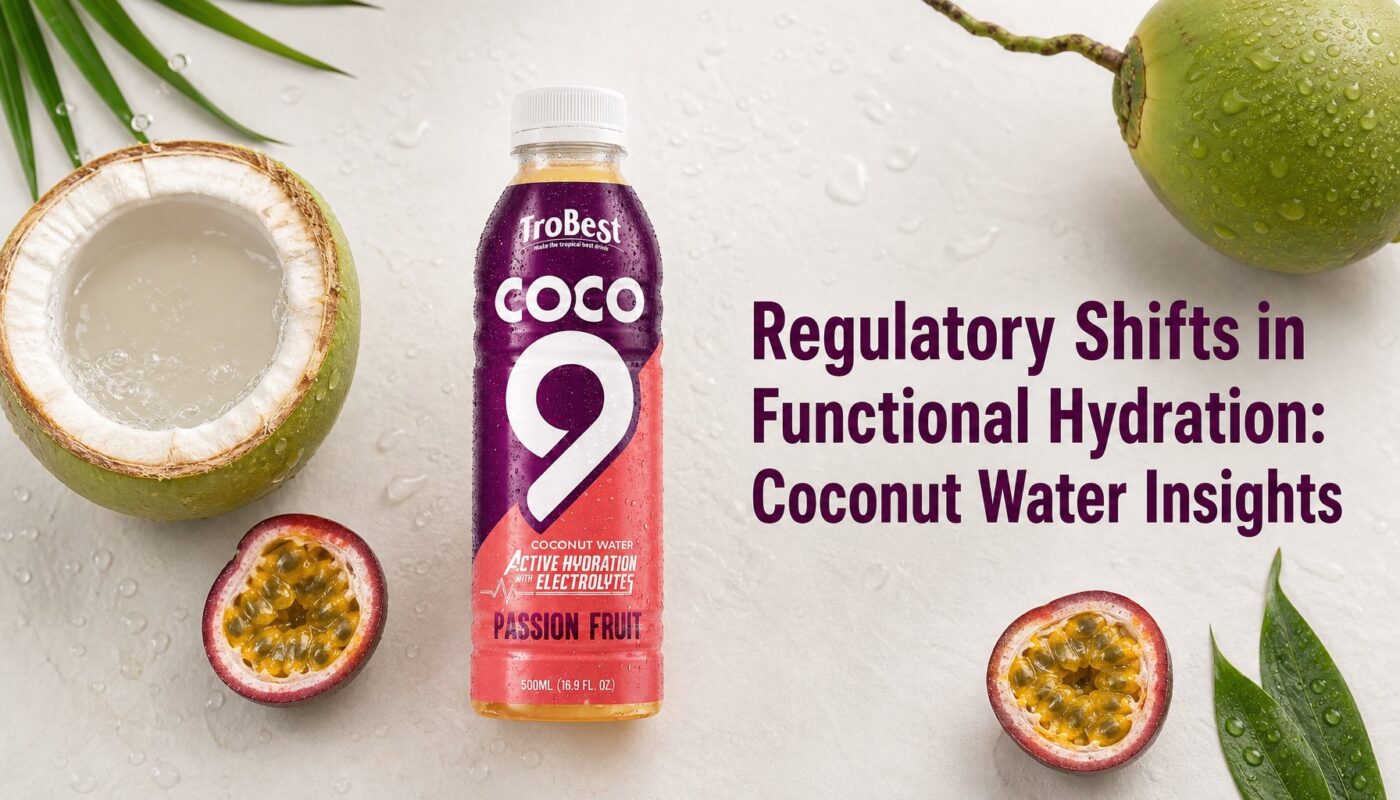
Regulatory oversight of coconut water products has intensified as the category expands beyond its traditional tropical markets. In the European Union, for instance, the Novel Food Regulation and specific directives on fruit juices and nectars influence how coconut water can be labeled and marketed. Similarly, the U.S. Food and Drug Administration (FDA) requires that added electrolytes be disclosed on nutrition facts panels under standard definitions. These rules directly impact how products like Trobest Active Hydration Coconut Water with Electrolytes – Passion Fruit Flavor are positioned in different markets.
Labeling and Claims Compliance
One of the most contentious areas is the use of health or functional claims. Regulators in both developed and emerging economies are increasingly scrutinizing terms such as “hydrating,” “electrolyte-rich,” and “active hydration.” In Japan, for example, the Foods for Specified Health Uses (FOSHU) system sets strict boundaries, while in the Middle East, Halal certification bodies require that any claim related to replenishment be substantiated by laboratory analysis. Manufacturers must therefore invest in third-party testing to validate their product descriptions. Trobest, leveraging certifications such as Halal JAKIM and Halal HCA-GCC, meets these requirements across its export destinations.
Food Safety and Certification Standards
Beyond labeling, food safety certifications have become non-negotiable for cross-border trade. The integration of BRC, FSSC 22000, ISO, GMP, HACCP, and SMETA into production systems ensures that every batch of coconut water with electrolytes undergoes rigorous quality control. For distributors, partnering with a supplier that holds these certifications reduces liability and accelerates customs clearance. RITA Food & Drink Co., Ltd., the parent company behind Trobest, has maintained these standards since 2004, enabling smooth entry into over 100 countries.
Consumer Preferences and the Clean-Label Movement
Market research indicates a sustained shift toward beverages with transparent ingredient lists and recognizable components. Coconut water naturally fits this trend, as consumers associate it with simplicity and natural sourcing. The addition of passion fruit flavor further aligns with demand for exotic, authentic taste experiences. A coconut water aseptic brand that combines clarity of ingredients with robust flavor profiles can capture both retail and foodservice channels. Yet, regulatory bodies in several countries now mandate clear disclosure of any added electrolytes, vitamins, or minerals, affecting how these products are formulated and marketed.
Electrolyte Fortification and Global Label Requirements
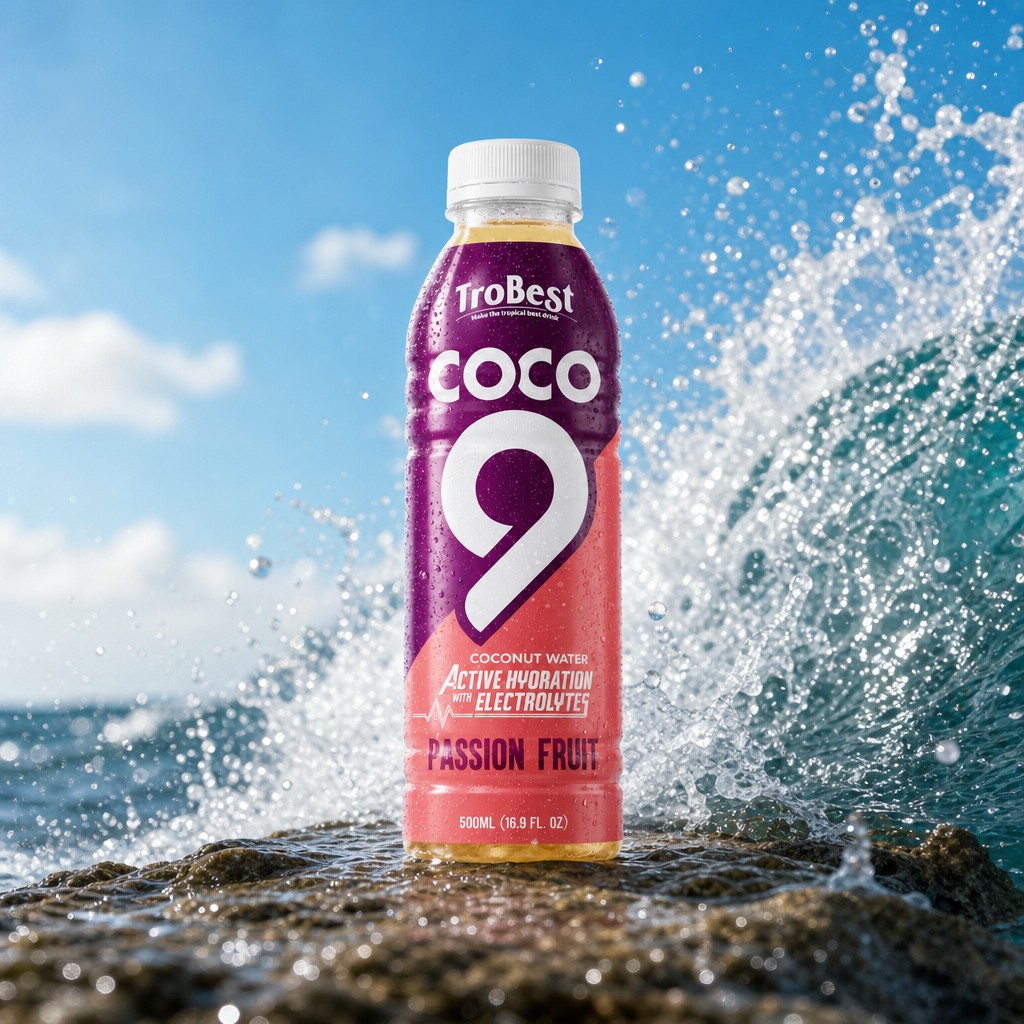
Adding electrolytes such as potassium, sodium, and magnesium to coconut water is common, but each jurisdiction has different labeling thresholds. In the EU, added electrolytes must be listed with their percentage of reference intake, while in the GCC countries, products must comply with the Gulf Standard Organization’s specifications for sports drinks. Manufacturers like Trobest, which produces coconut water with electrolytes in 16.9 fl oz bottles, must tailor labels to each market without altering the core formulation.
Flavor Innovation Within Regulatory Bounds
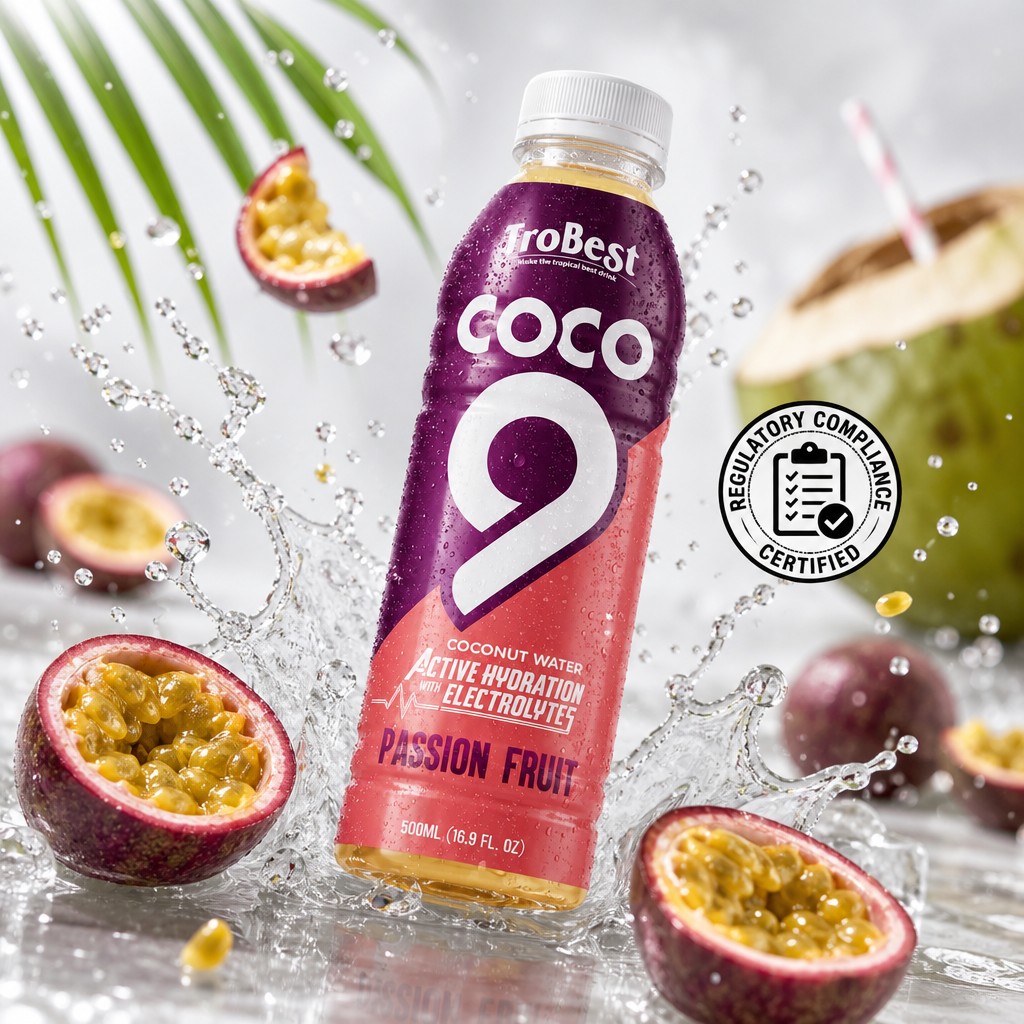
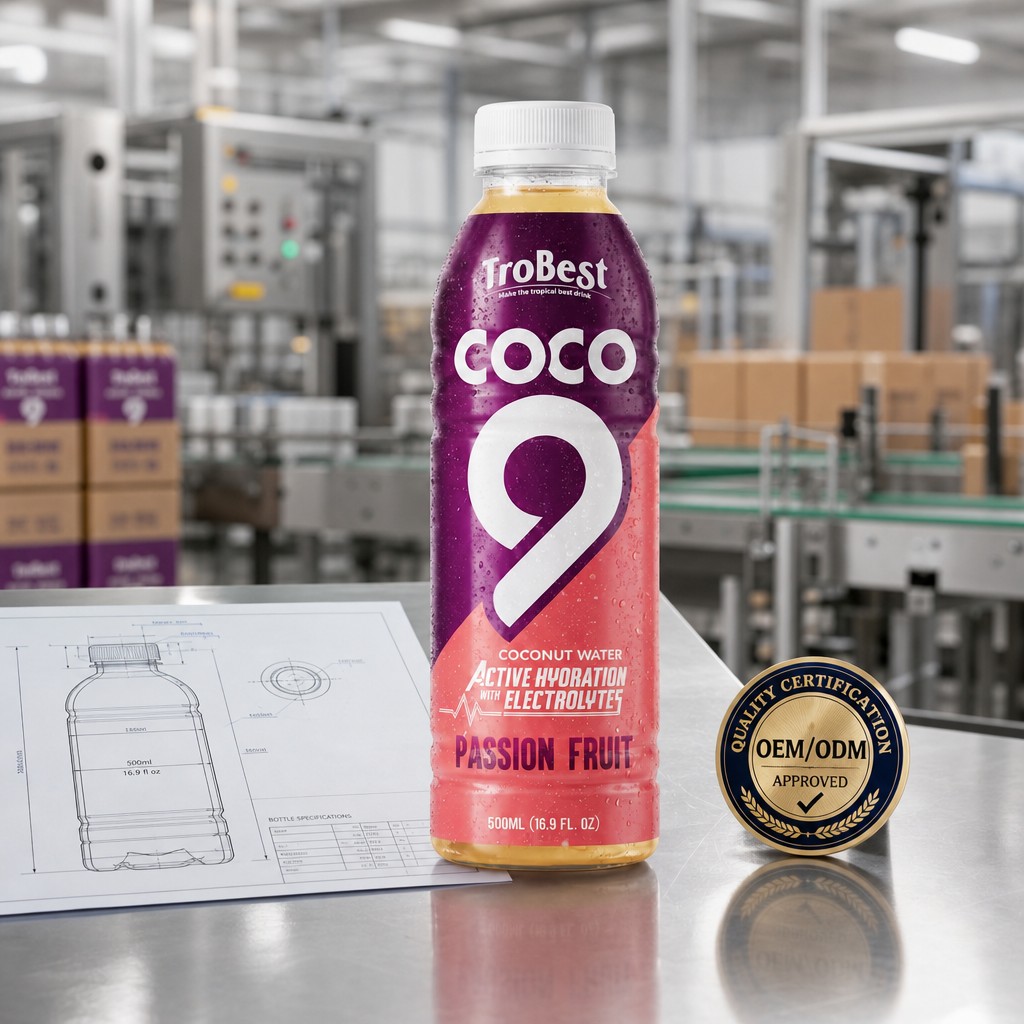
The passion fruit profile not only offers a tropical, slightly tart note but also allows brands to differentiate without straying into health claims. Regulatory frameworks in many regions permit flavor descriptors as long as they reflect actual ingredients. Trobest’s label showcases the vibrant purple-to-coral gradient design, signaling the passion fruit flavor while complying with visual marketplace rules in Asia, Europe, and the Americas.
Supply Chain Resilience and Raw Material Sourcing
Regulatory compliance begins at the farm. The quality and traceability of raw ingredients—young coconut water and passion fruit puree—are critical to meeting export standards. Vietnam, one of the world’s leading coconut producers, offers an established supply chain that integrates farming cooperatives with modern processing facilities. Trobest’s parent company, RITA, sources from trusted agricultural regions, ensuring that each batch meets international criteria for pesticide residues, microbiological safety, and authenticity.
OEM/ODM Opportunities in the Functional Beverage Sector
For private-label brands and distribution networks, collaborating with a manufacturer that offers full OEM/ODM services eliminates the burden of regulatory navigation. RITA Food & Drink Co., Ltd. provides end-to-end support, from formulation development to packaging design and certification management. This capability allows partners to launch coconut water aseptic brands under their own labels while benefiting from Trobest’s existing compliance framework. The 16.9 fl oz PET bottle with its screw cap and gradient label is an example of turnkey packaging that meets shelf and export requirements across multiple regions.
Frequently Asked Questions
1. What regulatory certifications does Trobest hold for its coconut water products?
Trobest and its parent company RITA Food & Drink Co., Ltd. hold BRC, FSSC 22000, Halal JAKIM, Halal HCA-GCC, Kosher, ISO, GMP, HACCP, and SMETA certifications.
2. Can the passion fruit coconut water with electrolytes be exported to the European Union?
Yes, the product complies with EU labeling and food safety regulations. Additional documentation for Novel Food or specific additive approvals may be required depending on the member state.
3. How does Trobest ensure traceability of raw ingredients?
The company sources young coconuts from Ben Tre farms and passion fruit from Central Highlands gardens, with full farm-to-bottle documentation and third-party audits.
4. What is the minimum order quantity for private-label partnerships?
Minimum order quantities vary by packaging format and market. Contact Trobest’s sales team for specific terms.
5. Does the product contain any genetically modified organisms (GMOs)?
The passion fruit coconut water with electrolytes is formulated without GMO ingredients. Certificates of analysis are available upon request.
