Blog
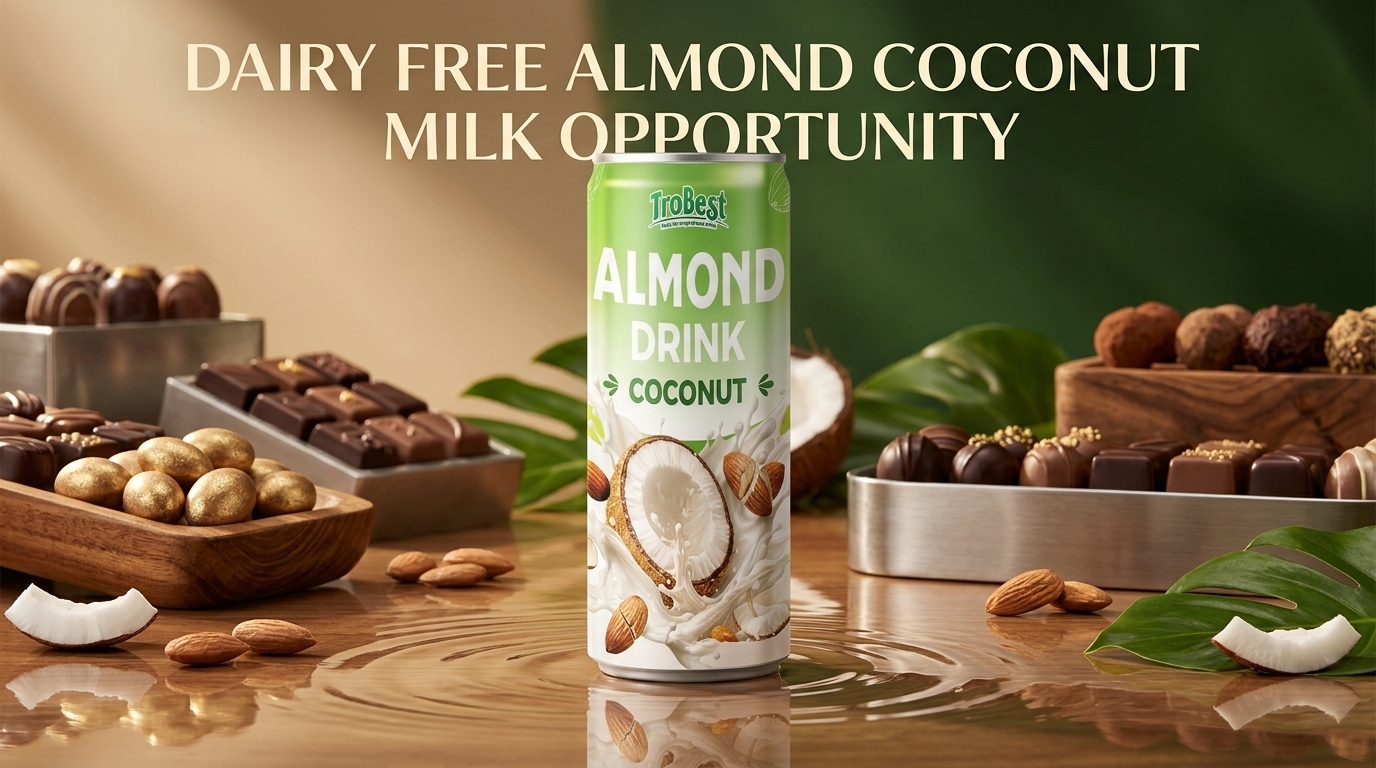
Dairy Free Almond Coconut Milk — A Growing Opportunity for Global Beverage Importers
Jul
The global shift toward plant-based diets has created a significant demand for dairy-free alternatives, with almond and coconut blends emerging as a consumer favorite. Importers, distributors, and F&B businesses are increasingly looking for reliable suppliers of dairy free almond coconut milk to meet the rising expectations of health-conscious and environmentally aware customers. This article explores the market dynamics, supply chain opportunities, and practical applications that make this beverage a strategic addition to any portfolio.
Key Takeaways
- The global plant-based milk market is projected to exceed USD 40 billion by 2030, with almond and coconut blends leading growth.
- Importers in the USA and Europe are prioritizing clean-label, non-GMO, and sustainably sourced dairy free almond coconut milk for retail and food service channels.
- Vietnam-based manufacturers like Trobest offer flexible OEM/ODM services, competitive pricing, and full certification compliance, making them ideal partners for private label development.
- Beverage buyers should focus on shelf-stable aseptic packaging to simplify logistics and reduce costs across long-distance supply chains.
Market Trends Driving Dairy Free Almond Coconut Milk Demand in the USA and Europe
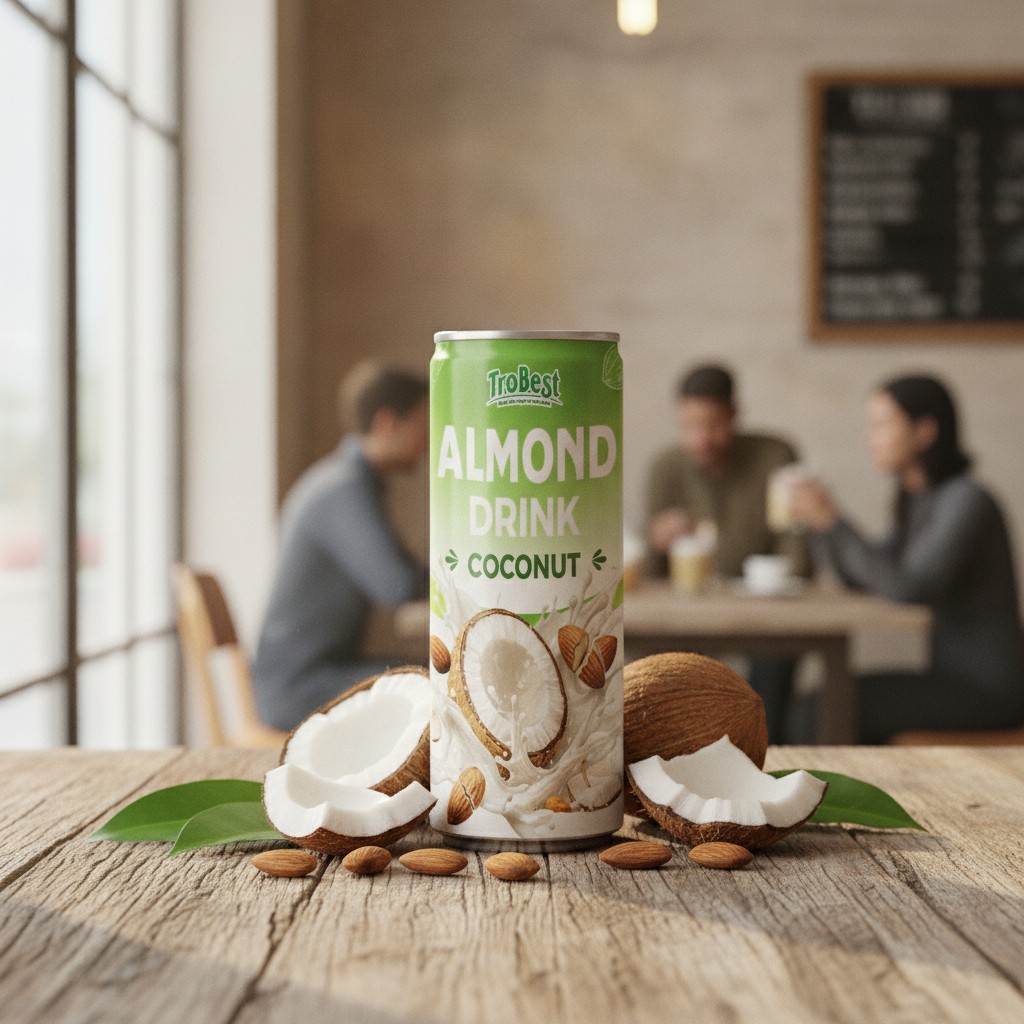
Consumer preference for plant-based beverages has shifted from niche to mainstream. In the United States, the plant-based milk segment now accounts for over 15% of the total milk market, with almond milk remaining the top category and coconut milk growing steadily. European markets, particularly the UK, Germany, and France, show similar patterns as lactose intolerance awareness and flexitarian diets expand.
The combination of almond and coconut offers a unique value proposition: almonds provide a familiar nutty base, while coconut adds natural creaminess and a subtle sweetness without the need for added sugars or stabilizers. This aligns perfectly with the clean-label movement that dominates both retail and food service procurement in these regions.
Why Almond Coconut Blends Are Winning Over Single-Ingredient Milks
Single-source plant milks often struggle with texture or flavor balance. Almond milk can be thin, while coconut milk may be too rich for some applications. A blend leverages the best of both: the light, nutty character of almonds and the smooth, velvety mouthfeel of coconut cream. This makes dairy free almond coconut milk an ideal base for coffee creamers, smoothies, cereal, and cooking.
For food service operators, a consistent, barista-friendly performance is critical. The creamy texture holds up well in hot coffee and foams nicely, reducing the need for specialized barista blends. Retailers also benefit from a versatile product that appeals to multiple use occasions, increasing shelf turnover and reducing SKU complexity.
Opportunities for Importers and Distributors in Key Markets
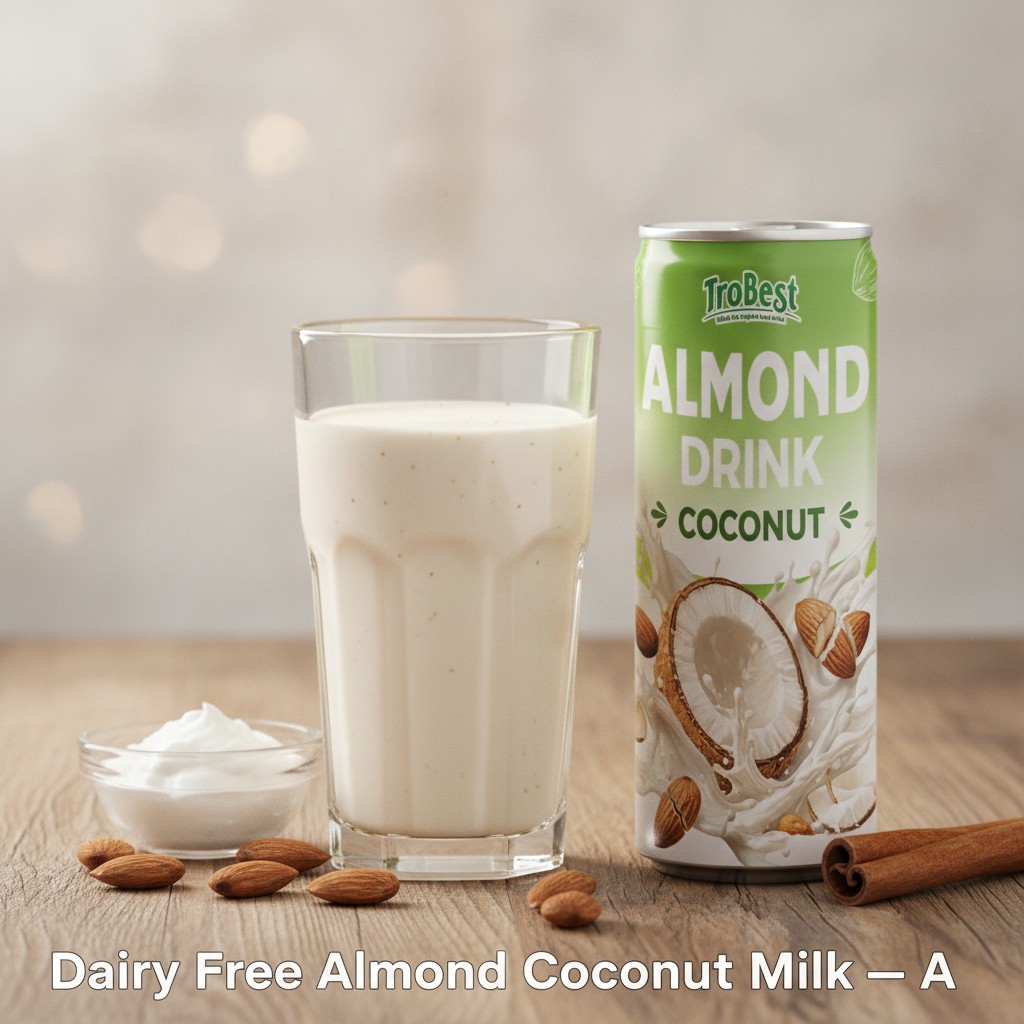
The USA remains the largest market for plant-based milk, with annual growth rates of 5–7%. European markets, while more fragmented, offer high margins for premium, organic, or shelf-stable products. Importers targeting these regions should look for suppliers that can offer:
- Aseptic packaging with a 12-month ambient shelf life to reduce cold chain dependency.
- Flexible MOQ starting from one full container load (FCL).
- Private label customization, including flavor profiles, sweetness levels, and packaging designs.
- Full certification coverage: HACCP, HALAL, ISO, GMP, FSSC, and ORGANIC.
Trobest, a leading Vietnamese manufacturer, exemplifies these capabilities. With 50 production lines and a capacity of 1,200 containers per month, they export to over 200 countries. Their dairy free almond coconut milk is available in 200ml, 330ml, 500ml, and 1L aseptic cartons or PET bottles, catering to both single-serve and family-size retail formats.
Cost Advantages and Supply Chain Efficiency
Vietnam offers a strategic manufacturing base for global beverage importers. Competitive labor costs, abundant raw material supply (coconuts, almonds sourced via global trade), and government support for food processing make it an attractive sourcing destination. Aseptic packaging further optimizes logistics by eliminating refrigeration during transit and warehousing.
Importers can combine this product with other plant-based SKUs like coconut water, aloe vera juice, or chia seed drinks to fill mixed containers, maximizing economies of scale. Trobest’s ability to handle private labeling and OEM/ODM simplifies market entry for brands without their own manufacturing infrastructure.
Applications in Food Service and Retail
Beyond standalone consumption, dairy free almond coconut milk serves multiple commercial applications:
- Coffee shops and cafés: Used as a dairy alternative for lattes, cappuccinos, and cold brews. Its creamy texture and neutral sweetness blend well with espresso without curdling.
- Smoothie and juice bars: Adds a rich, creamy base without dairy, keeping menus vegan-friendly.
- Hotels and hospitality: Served as a premium in-room beverage or in breakfast buffets alongside traditional milk options.
- Retail chains: Positioned in the dairy alternative section alongside almond, oat, and soy milks. Clean label and organic certifications boost brand trust.
For distributors, the product’s long shelf life allows for flexible inventory management. Retailers can stock it in ambient aisles, freeing up refrigerated space for higher-margin items. This operational efficiency is a key selling point when pitching to supermarket buyers.
Customization and Brand Differentiation
Private label buyers can work with Trobest’s R&D team to adjust sweetness, viscosity, and flavor intensity. For example, a coffee chain might request a version with higher coconut cream content for extra richness, while a health food brand may prefer an unsweetened variant. Packaging can be tailored with custom designs that reflect local branding and regulatory requirements.
Many importers also value the almond coconut milk creamy dairy free drink as a base for limited-edition seasonal flavors (e.g., vanilla or chocolate) through co-packing agreements. This flexibility allows brands to test new SKUs without large upfront commitments.
Quality Assurance and Certifications
Global buyers must ensure their suppliers meet rigorous safety and quality standards. Trobest holds HACCP, HALAL, ISO, GMP, FSSC, and ORGANIC certifications, along with SMETA/BSCI social compliance audits. Each batch undergoes testing for taste consistency, microbiological safety, and packaging integrity.
For importers targeting the USA or Europe, having ORGANIC certification is increasingly important. The EU Organic logo and USDA Organic seal command premium pricing and consumer trust. Trobest can produce both organic and conventional versions of their dairy free almond coconut milk, giving buyers flexibility across price tiers.
Building Long-Term Partnerships
Successful import-export relationships in the beverage industry depend on reliability, communication, and mutual growth. By partnering with manufacturers that invest in R&D and modern facilities, distributors can respond to market trends faster. Trobest’s end-to-end services—from formulation development to co-packing and logistics—reduce the complexity of entering new markets.
For more on how Vietnam-based suppliers support global brands, explore their coconut beverage products and OEM service capabilities. These resources highlight the infrastructure needed to scale private label plant-based lines efficiently.
Conclusion: Seizing the Dairy Free Momentum
The global appetite for plant-based beverages continues to grow, and the almond-coconut blend sits at the sweet spot of taste, texture, and versatility. Importers and distributors who act now can secure strong positions in markets like the USA and Europe by sourcing from certified, high-capacity manufacturers. With flexible packaging, private label options, and a proven track record, dairy free almond coconut milk from Trobest represents a low-risk, high-potential addition to any beverage portfolio.
Frequently Asked Questions
What is the shelf life of Trobest’s almond coconut milk?
The product has a shelf life of 12 months under ambient conditions when stored in aseptic packaging (Tetra Pak or Combibloc). No refrigeration is needed during storage or transit, which simplifies logistics for importers.
Can I customise the packaging design for my brand?
Yes. Trobest offers full private label and OEM/ODM services. You can choose carton or PET bottle formats in various sizes (200ml, 330ml, 500ml, 1L) and design custom artwork. The MOQ is flexible, starting from one full container.
What certifications does the product carry?
The product is produced under HACCP, HALAL, ISO, GMP, FSSC, and ORGANIC certifications. Trobest also holds SMETA/BSCI social compliance audits, ensuring ethical sourcing and production standards.
How can I request a sample or place a bulk order?
You can contact the Trobest B2B sales team through their website. They offer sample shipments, discuss private labeling needs, and provide quotes for bulk orders. For inquiries, visit the product page directly: almond coconut milk creamy dairy free drink.
