Blog
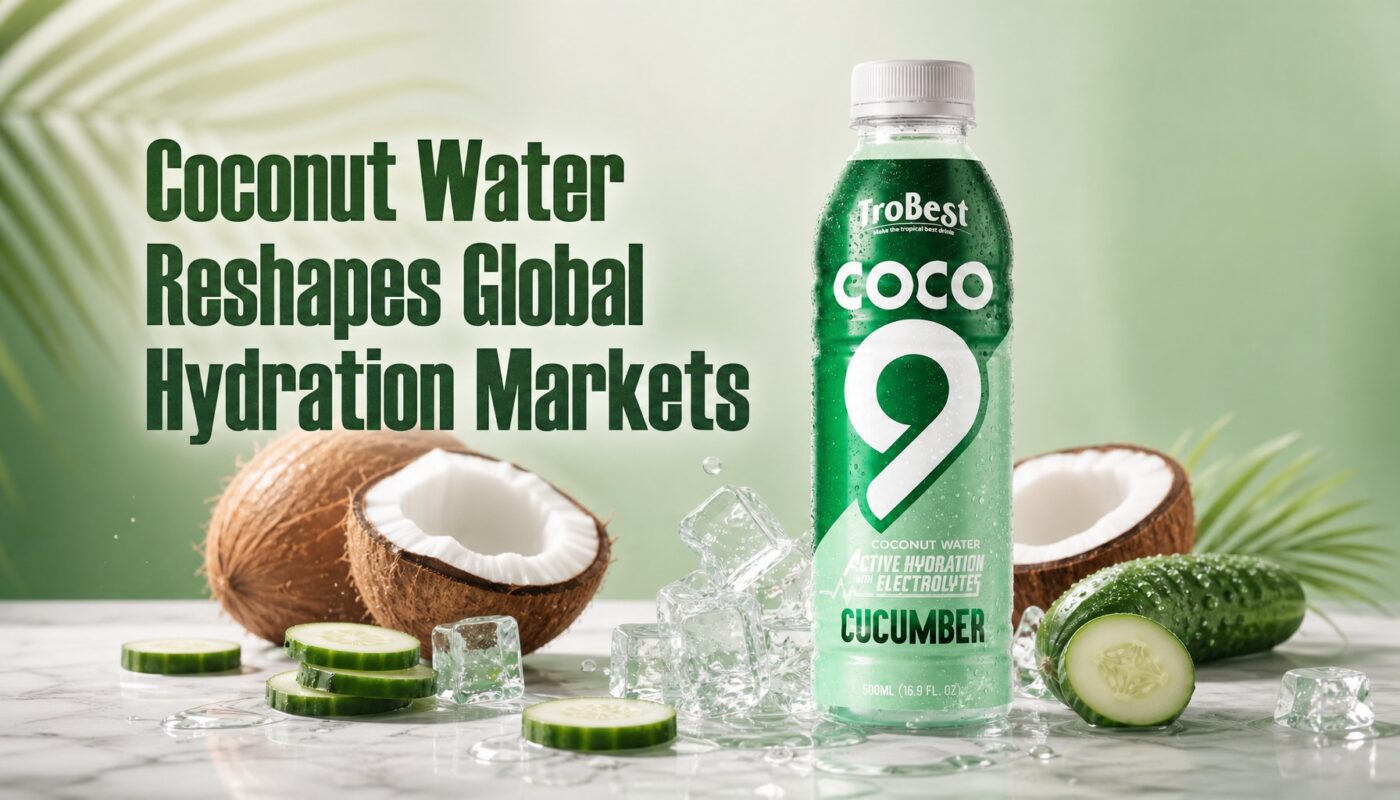
Coconut Water Supply Chains Reshape Global Hydration Markets
Aug
The global beverage industry is recalibrating its supply chains in response to evolving trade policies and shifting consumer preferences. Among the most dynamic segments is coconut water with electrolytes, a category that has moved from niche health stores to mainstream retail shelves across Asia, Europe, the Americas, the Middle East, Africa, and Oceania. For suppliers, distributors, and brand owners, understanding this supply chain is now central to growth.
Key Takeaways
- Electrolyte-infused coconut water is a fast-growing export segment across multiple continents.
- Supply chain resilience depends on sourcing, processing standards, and OEM/ODM flexibility.
- Cucumber-flavored variants differentiate brands in crowded hydration markets.
- Vietnam’s coconut production and processing infrastructure offers a competitive advantage for global buyers.
The Global Shift Toward Hydration Beverages
Consumers across continents are rethinking what they drink. Plain water remains a staple, but a growing segment is gravitating toward beverages that combine natural ingredients with a refreshing profile. coconut water with electrolytes fits this trend neatly, delivering a clean taste with added minerals.
Why Coconut Water with Electrolytes Is Gaining Traction
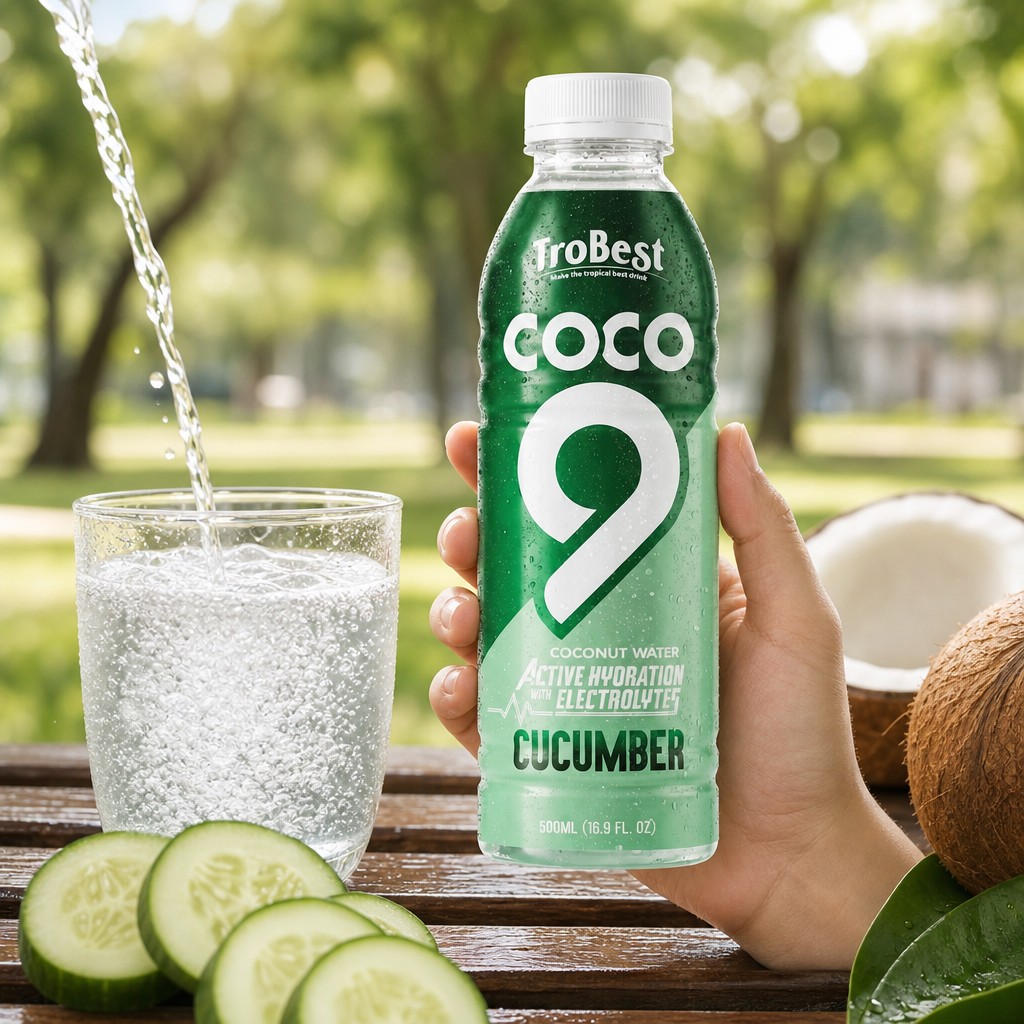
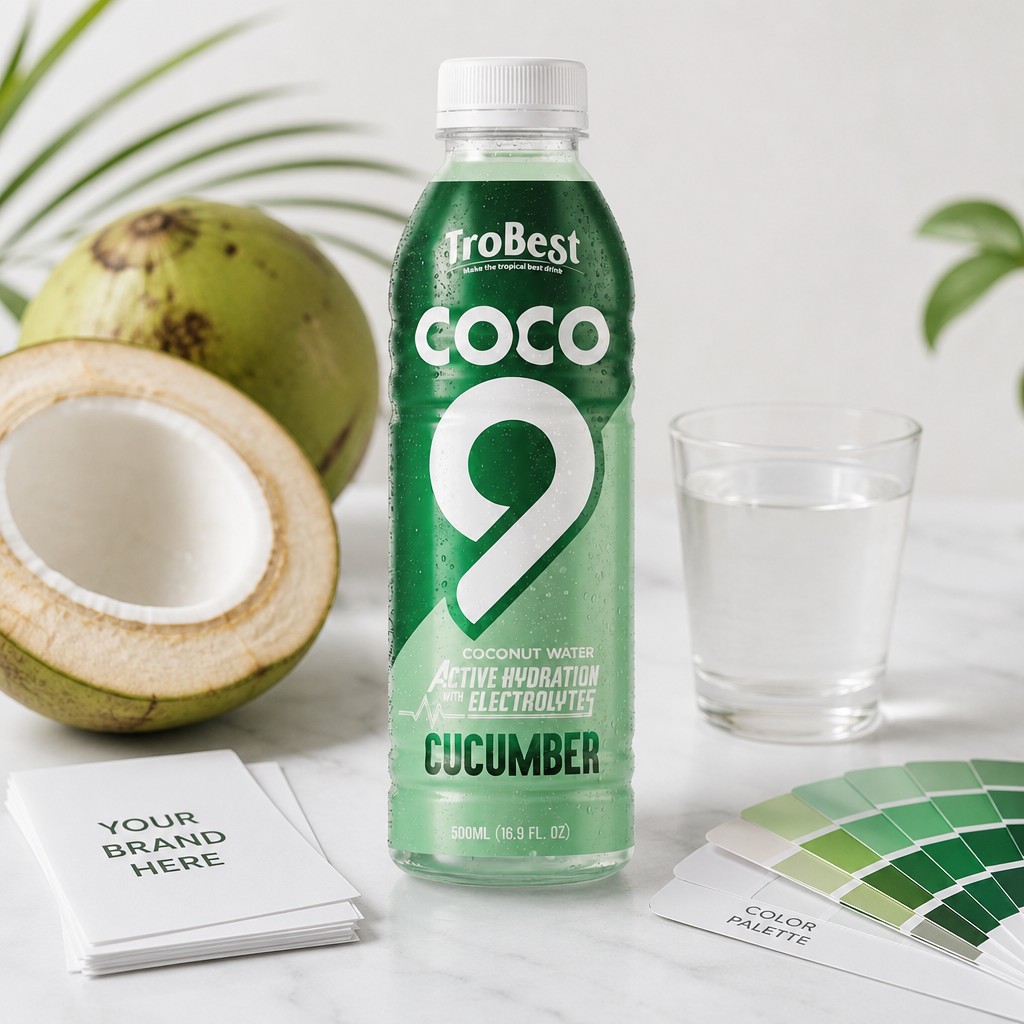
Electrolyte beverages have traditionally been associated with sports nutrition. The new wave, however, leverages coconut water’s naturally occurring electrolyte profile. Brands like Trobest’s 16.9 fl oz Active Hydration Coconut Water with Electrolytes – Cucumber Flavor are tapping into this demand with a product that lists only familiar ingredients and a distinctive botanical taste.
The cucumber variant, in particular, has widened the category’s appeal. It offers the creamy, nutty backdrop of coconut water with a crisp, garden-fresh finish. That combination works well in warm climates and busy urban markets, where consumers want something light and satisfying without being heavy.
Cucumber Flavor Brings a Fresh Perspective
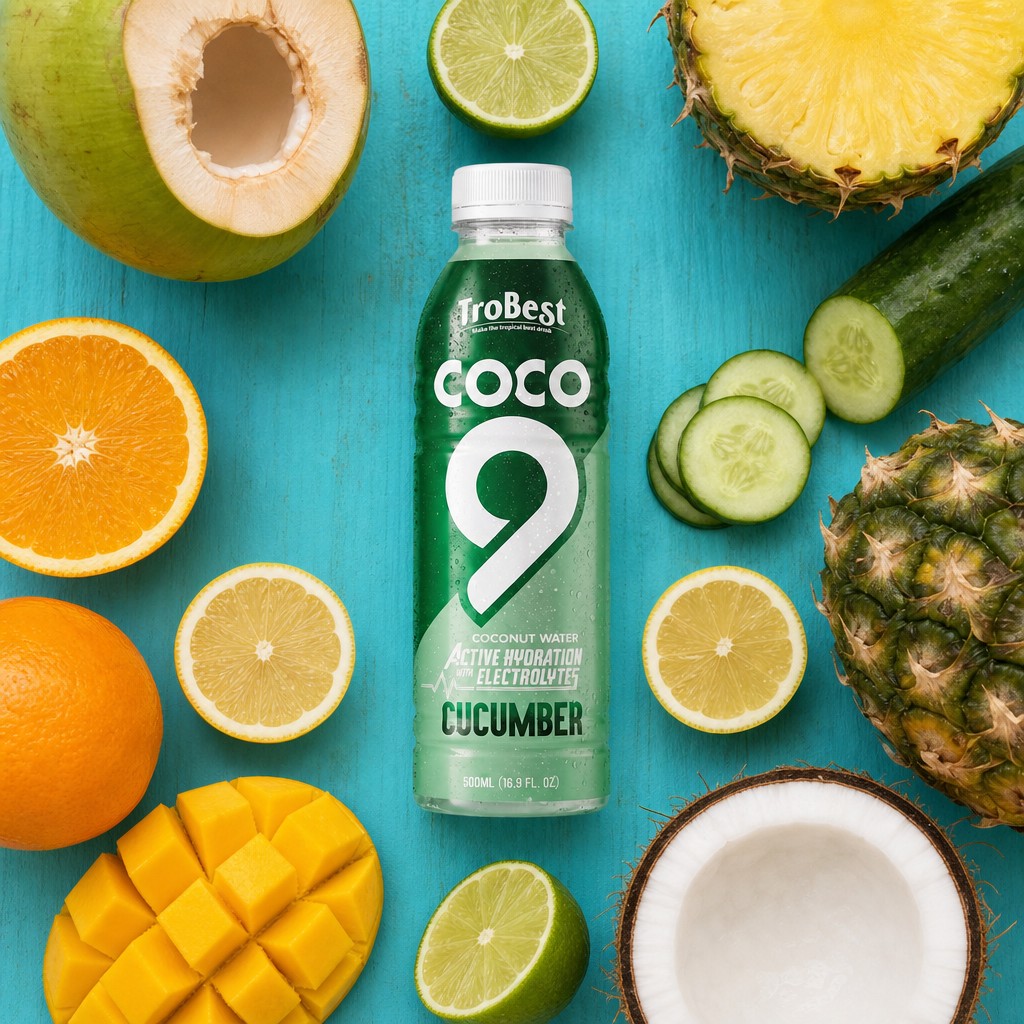
Flavor innovation is a key driver in the hydration segment. Cucumber, long popular in spa waters and culinary preparations, adds a subtle green note that pairs beautifully with the natural sweetness of coconut. The result is a drink that feels both familiar and novel. A clear 500ml bottle with a green-to-white gradient label signals freshness before the first sip.
For brands seeking differentiation, launching cucumber-flavored coconut water can capture attention in a sea of plain and tropical variants. The visual cues of cucumber—cool, green, and crisp—align with the rapidly growing demand for botanical and herbal flavors. Trobest’s Coco 9 series demonstrates how a single flavor extension can create a new merchandising position.
Supply Chain Dynamics in the Coconut Water Sector
Building a reliable supply chain for coconut water with electrolytes requires more than securing raw material. It demands control over sourcing, processing, and packaging. Vietnam has become a major hub for coconut-derived beverages, offering abundant fruit supply and mature manufacturing capabilities. As trade policy uncertainty continues, importers are looking for suppliers with vertical integration.
Sourcing and Quality Assurance
The raw coconut is the foundation. Producers that work closely with plantation regions can secure consistent quality year-round. For instance, Trobest’s parent company RITA Food & Drink Co., Ltd. has developed deep relationships with coconut-growing areas, as highlighted in its coconut products catalog. This integration helps mitigate supply disruptions, a growing concern in global beverage trade.
Quality assurance extends beyond the fruit itself. Electrolyte levels, pH balance, and flavor profile must be consistent batch after batch. Experienced manufacturers use standardized protocols to monitor these parameters, reducing the risk of off-spec shipments. For buyers, this means fewer rejected containers and stronger long-term partnerships.
Manufacturing Standards and Certifications
Exporting to more than 100 countries means meeting a patchwork of regulatory requirements. Trobest’s manufacturing processes are backed by BRC, FSSC 22000, Halal Jakim, Kosher, ISO, GMP, HACCP, and SMETA certifications. This portfolio reassures buyers that every batch meets internationally recognized standards.
The following table summarizes how key certifications support different markets:
| Certification | Relevance |
|---|---|
| BRC | Preferred by UK and EU retailers |
| FSSC 22000 | Global food safety benchmark |
| Halal Jakim | Essential for Southeast Asian and Middle Eastern buyers |
| Kosher | Expands reach in North America |
| SMETA | Ethical audit recognized by multinational brands |
The Role of OEM and Private Label Partnerships
Retailers and beverage brands are increasingly looking for manufacturing partners who can handle both formulation and packaging. Trobest offers comprehensive OEM and ODM services, enabling private label beverage manufacturers to launch coconut water lines without building their own facility. As a coconut water aseptic brand supplier, the company covers everything from recipe development to label design.
The flexibility to adapt sweetness, flavor intensity, and package size is a significant advantage when entering new regions. A cucumber coconut water drink that appeals to European tastes may need subtle adjustments for the Middle East or Southeast Asia. OEM partners can implement those changes quickly, avoiding costly delays.
From Coconut Plantations to Bottle: The Raw Material Journey
A closer look at the supply chain reveals why raw material provenance matters. For coconut water, the quality of the fruit and the timing of harvest directly affect flavor. Trobest sources from regions where coconuts are not just a crop but a livelihood.
One of the key sourcing areas for RITA is Ben Tre province, widely regarded as Vietnam’s coconut capital. The Ben Tre coconut farm supplies the foundation for many of RITA’s coconut-based drinks, ensuring that the fruit is processed within a short timeframe to preserve its natural character.
Short supply lines between harvest and processing are crucial. Coconuts destined for bottling must be handled carefully to avoid off-flavors. In Vietnam’s Ben Tre region, the proximity of plantations to modern processing facilities creates a logistical advantage that is difficult to replicate elsewhere. The coconut water supply chain from Ben Tre is a model of efficiency.
Coconut Water with Electrolytes: Market Outlook and Export Opportunities
The international demand for coconut water with electrolytes continues to climb as consumers seek alternatives to artificially formulated sports drinks. For exporters, the challenge is not demand but differentiation. A cucumber-flavored iteration, such as cucumber coconut water drink, offers a point of difference that can capture shelf space.
Market & Export Overview
Annual Trend (August 2025 – August 2026)
| Year | Trade Count | Total Value (USD) | Total Weight (kg) | Total Quantity | YoY Change |
|---|---|---|---|---|---|
| 2025 | 0 | 0 | 0 | 0 | — |
| 2026 | 1 | N/A (not reported) | 20,671 | 1,977 | +100% (count / weight / quantity); value N/A |
Data source: Tradesparq Trade Data (tradesparq.com)
Top Origin & Destination Countries
| Flow | Country | Trade Count | Purchaser Count | Total Amount (USD) | Supplier Count | Total Weight (kg) | Total Quantity | Market Share | Avg Price (USD) |
|---|---|---|---|---|---|---|---|---|---|
| Origin | Guatemala | 1 | 1 | 0 | 1 | 20,671 | 1,977 | 100% | N/A |
| Destination | United States | 1 | 1 | 0 | 1 | 20,671 | 1,977 | 100% | N/A |
Data source: Tradesparq Trade Data (tradesparq.com)
All recorded export activity in the August 2025 – August 2026 period is concentrated in a single transaction that took place in August 2026 — a first-time market entry for the product “Coconut Water With Electrolytes And Pineapple Flavor.” Before that month, no trade was recorded, so the year-on-year change of +100% in transaction count, weight, and quantity reflects a market debut rather than an established trade flow.
Guatemala is the exclusive origin market with a 100% share, and the United States is the exclusive destination, absorbing the entire volume of 20,671 kg (1,977 units). Vietnam does not appear in the reported origin data. Since total trade value was not disclosed, average prices and price trends cannot be calculated, and further monthly data are needed to assess whether the product maintains steady import momentum.
Beyond flavor, logistics and packaging play a role. The 500ml PET bottle used by Trobest is lightweight and shatter-resistant, reducing freight costs and breakage risk during transit. This aligns with the needs of importers across long-haul routes. The clear plastic also showcases the product’s pale-green hue, an important visual cue for buyers expecting freshness. The active hydration drink category is growing faster than many traditional juice segments.
Exporters must also navigate labeling requirements, which vary by market. A partner with experience in 100+ countries simplifies this process. Trobest’s export track record includes shipments to Asia, Europe, the Americas, the Middle East, Africa, and Oceania, making it a practical ally for distributors entering multiple regions. For those seeking coconut water export solutions, the company provides a streamlined pathway from factory to shelf.
Partnering with Trobest for Global Distribution
For companies exploring active hydration coconut water sourcing, Trobest’s dual role as brand owner and contract manufacturer simplifies entry. With export experience in over 100 countries, the company understands documentation, labeling, and market-specific demands.
Customization and Branding
OEM and ODM clients can adapt the cucumber coconut water formula to local taste preferences. From sweetness levels to package size, Trobest supports modifications that make sense for each territory. Private label beverage manufacturers can also adopt the Trobest production line, backed by RITA’s two decades of beverage expertise. Trobest operates as a coconut water OEM supplier, offering turnkey production for brands of all sizes.
Key factors when evaluating a manufacturing partner:
- Certification coverage and audit history
- Consistency of raw material supply
- Ability to customize formulas and packaging
- Export logistics and documentation support
Quality Certifications Build Buyer Confidence
When a buyer sees certifications such as HACCP, GMP, and FSSC 22000 on a supplier’s profile, it shortens the negotiation cycle. Trobest’s adherence to these standards, along with its membership in the RITA family, reassures importers that compliance is not an afterthought. The company’s certifications also cover the cucumber-flavored variant, so buyers are not limited to one SKU.
Importers should look beyond the label to the supply chain behind it. A manufacturer that owns its raw material relationships can better control timing and quality. RITA Food & Drink Co., Ltd., which established Trobest, has been operating since 2004 and brings a deep understanding of tropical beverage production to every partnership.
Frequently Asked Questions
What is coconut water with electrolytes?
Coconut water with electrolytes is a beverage made from natural coconut water with added electrolytes, often available in flavors like cucumber. It is positioned as a refreshing drink for active consumers.
Can I private label this cucumber coconut water?
Yes. Trobest offers OEM and ODM services that allow you to launch your own brand using the same production standards.
Which markets are served by Trobest coconut water export?
Trobest exports to over 100 countries, including markets in Asia, Europe, the Americas, the Middle East, Africa, and Oceania.
What certifications does Trobest hold?
Trobest holds BRC, FSSC 22000, Halal Jakim, Kosher, ISO, GMP, HACCP, and SMETA certifications.
