Blog
Coconut Water with Electrolytes: The Rising Star in Global Hydration
Sep
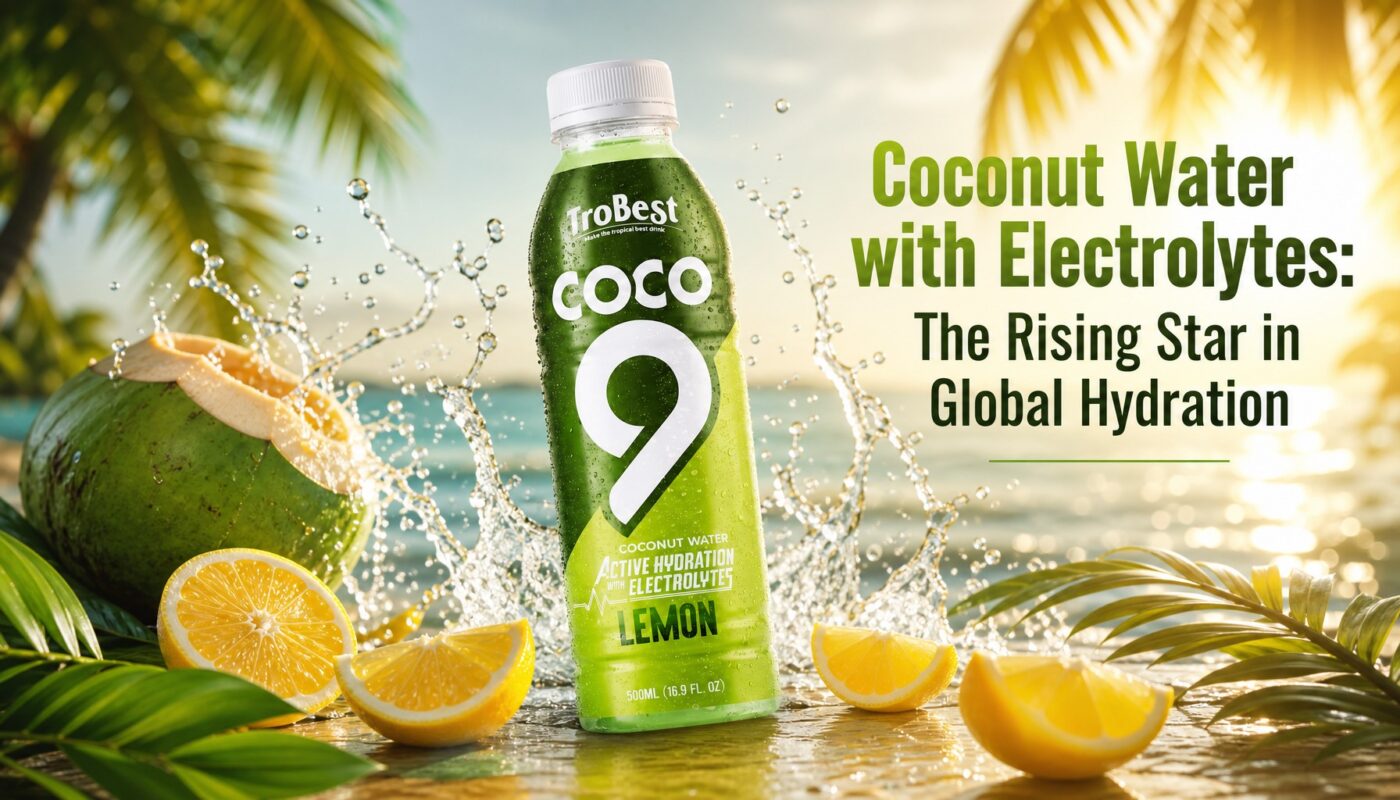
The global beverage industry is witnessing a paradigm shift as consumers increasingly gravitate toward natural, functional drinks that deliver on taste and convenience. At the forefront of this movement is coconut water, a category that has evolved from a niche tropical offering to a mainstream hydration staple. Among the latest innovations capturing market attention is the 16.9 fl oz Active Hydration Coconut Water with Electrolytes – Lemon Flavor, a product that exemplifies how traditional ingredients can be reimagined for modern lifestyles.
As markets across Asia, Europe, the Americas, the Middle East, Africa, and Oceania demand more sophisticated beverage solutions, manufacturers are responding with products that combine natural sourcing with functional formulations. This article explores the market dynamics driving the coconut water segment, the strategic advantages of Vietnam as a production hub, and how brands like Trobest are leveraging their expertise to meet global demand.
Key Takeaways
- The global coconut water market is projected to grow at a CAGR of over 15% through 2030, driven by demand for natural hydration and electrolyte replenishment.
- Vietnam has emerged as a leading supplier of premium coconut water, supported by abundant raw materials and advanced manufacturing infrastructure.
- Products like the Trobest Active Hydration Coconut Water with Electrolytes – Lemon Flavor are setting new benchmarks for taste, packaging, and export readiness.
- OEM/ODM partnerships with established producers offer brands a faster route to market without compromising on quality or certification standards.
- Supply chain resilience and sustainable sourcing are becoming critical differentiators in the competitive beverage landscape.
Market Trends Shaping the Coconut Water Segment
The coconut water market has experienced remarkable expansion over the past decade, transitioning from a specialty health food to a ubiquitous beverage found in supermarkets, convenience stores, and online retail platforms worldwide. This growth is underpinned by several converging trends that are reshaping consumer preferences and industry strategies.
First, there is a pronounced shift toward natural and minimally processed beverages. Consumers are increasingly scrutinizing ingredient labels, favoring products with recognizable components over artificial additives. Coconut water, with its naturally occurring electrolytes and subtle sweetness, fits this demand perfectly. The addition of lemon flavor in products like the Trobest Active Hydration Coconut Water with Electrolytes enhances appeal without compromising the clean-label profile.
Second, the functional beverage market is expanding rapidly. While energy drinks and sports beverages have long dominated the functional category, coconut water offers a lighter alternative that appeals to a broader demographic, including fitness enthusiasts, office workers, and health-conscious families. The natural electrolyte content—particularly potassium, magnesium, and sodium—positions coconut water as a versatile hydration solution for everyday consumption.
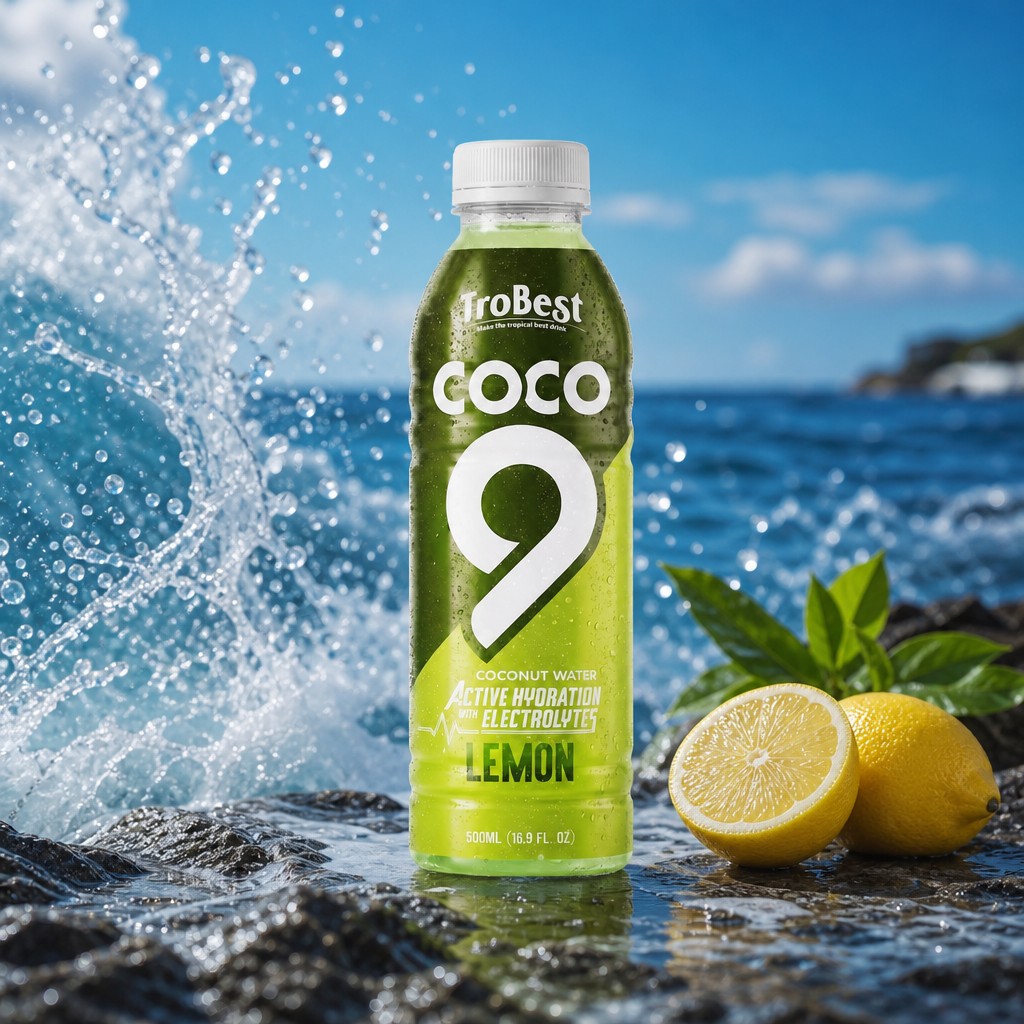
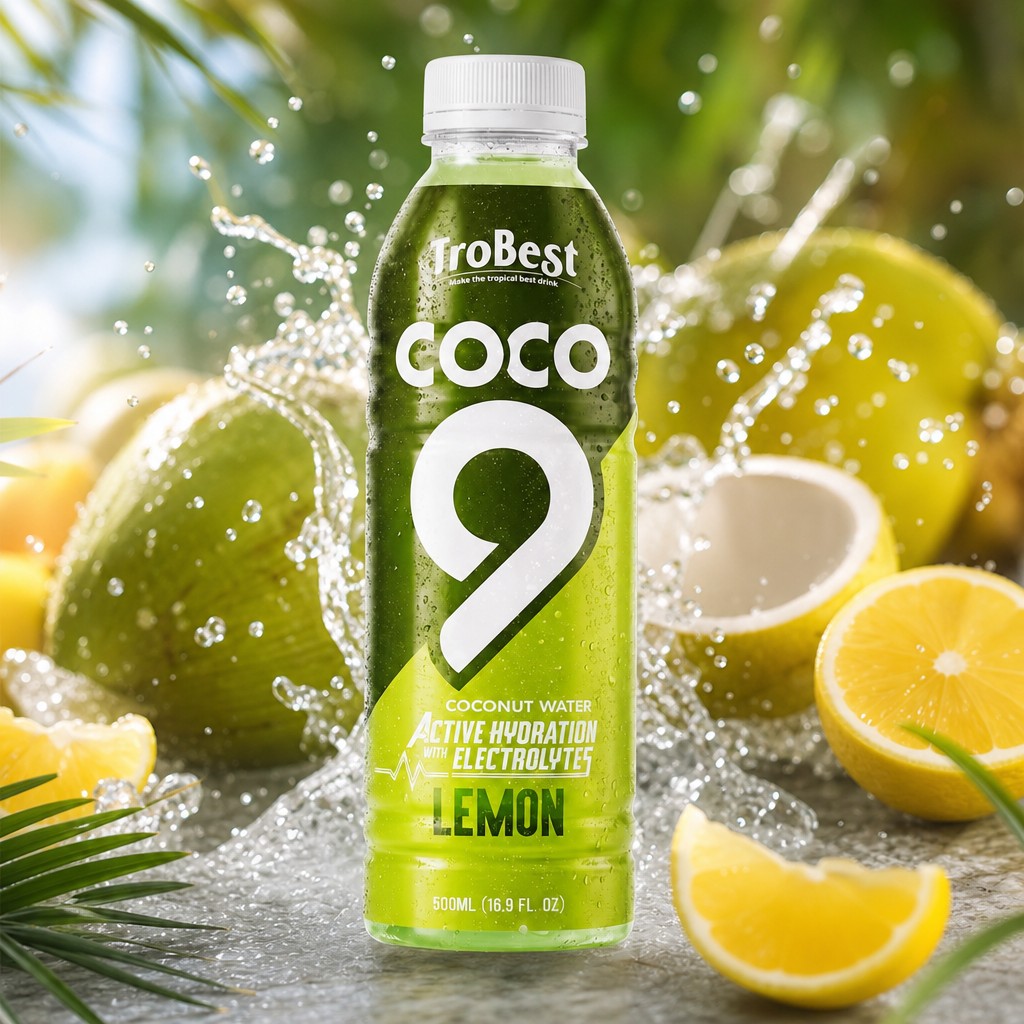
Third, packaging innovation is playing a pivotal role in market penetration. The 16.9 fl oz (500ml) PET bottle format used by Trobest is designed for on-the-go convenience, with a vibrant label featuring a gradient from deep green to lime that communicates freshness and naturalness. The white ribbed cap and prominent branding ensure strong shelf presence in competitive retail environments.
Regional Demand Variations
Consumer preferences for coconut water vary significantly across global markets. In North America and Europe, flavored variants such as lemon, pineapple, and mango are gaining traction as they offer a more palatable entry point for consumers unfamiliar with the taste of plain coconut water. In the Middle East and Africa, coconut water is increasingly positioned as a premium hydration option, often marketed alongside fitness and wellness lifestyles.
In Asia-Pacific, where coconut water has deep cultural roots, the focus is on quality differentiation and packaging innovation. Markets like Japan, South Korea, and China are particularly receptive to high-quality, aseptically packaged coconut water that meets stringent food safety standards. This regional diversity presents both opportunities and challenges for exporters, requiring a nuanced understanding of local taste profiles and regulatory requirements.
Vietnam’s Competitive Advantage in Coconut Water Production
Vietnam has solidified its position as a leading global supplier of coconut water, thanks to its favorable climate, extensive coconut plantations, and sophisticated processing capabilities. The Mekong Delta region, particularly Ben Tre province, is renowned for producing high-quality coconuts with a naturally sweet and clear water content. This raw material advantage is complemented by significant investments in modern manufacturing infrastructure.
Companies like RITA Food & Drink Co., Ltd., the parent company of the Trobest brand, have been at the forefront of this transformation. With operations dating back to 2004, RITA has developed a vertically integrated supply chain that encompasses raw material sourcing, processing, packaging, and global logistics. The company holds multiple internationally recognized certifications, including BRC, FSSC 22000, HALAL (Jakim and HCA-GCC), Kosher, ISO, GMP, HACCP, and SMETA, enabling it to export to over 100 countries and territories.
This certification portfolio is a critical asset in the competitive beverage market. Retailers and distributors in stringent markets such as the European Union, the United States, and the Gulf Cooperation Council (GCC) require suppliers to demonstrate compliance with rigorous food safety and quality standards. Trobest’s ability to meet these requirements positions it as a preferred partner for brands seeking to enter or expand in these regions.
From Farm to Bottle: Raw Material Excellence
The journey of Trobest’s coconut water begins in the lush coconut groves of Ben Tre, where farmers employ sustainable agricultural practices to ensure consistent fruit quality. The coconuts are harvested at optimal maturity to maximize water sweetness and electrolyte content. This attention to raw material quality is a distinguishing factor in an industry where flavor consistency is paramount.
For brands considering private-label or co-manufacturing partnerships, the traceability and quality assurance offered by Vietnamese producers like RITA are compelling advantages. The ability to source raw materials from a single, well-managed supply chain reduces variability and enhances product reliability. This is particularly important for coconut water, where subtle differences in terroir and harvest timing can significantly impact taste.
Manufacturing Excellence and Global Certifications
The production facility operated by RITA is designed to meet the highest international standards. The plant is equipped with state-of-the-art aseptic filling lines that preserve the natural flavor and nutritional profile of coconut water while ensuring microbiological safety. The facility’s certifications—including BRC and FSSC 22000—are testament to its commitment to quality management and continuous improvement.
These certifications are not merely bureaucratic achievements; they are essential tools for market access. For example, the HALAL certification from Jakim and HCA-GCC is indispensable for penetrating markets in the Middle East and Southeast Asia, where Muslim consumers represent a significant and growing demographic. Similarly, Kosher certification opens doors to Jewish communities in North America, Europe, and Israel. By maintaining a comprehensive certification portfolio, Trobest enables its partners to target diverse consumer segments with confidence.
Product Spotlight: Trobest Active Hydration Coconut Water with Electrolytes – Lemon Flavor
The Trobest Active Hydration Coconut Water with Electrolytes – Lemon Flavor represents a thoughtful fusion of natural ingredients and modern functionality. The base is pure coconut water, sourced from Vietnamese coconuts, which is then enriched with electrolytes and infused with a bright, zesty lemon flavor. The result is a beverage that is both refreshing and purposeful, designed to appeal to active consumers seeking a natural alternative to synthetic sports drinks.
The product is packaged in a 16.9 fl oz (500ml) PET plastic bottle, a format that balances portability with sufficient volume for hydration during physical activity. The label design features a gradient from deep green to lime, evoking freshness and naturalness, with the prominent “TroBest” and “COCO 9” identifiers ensuring brand recognition. The white ribbed cap adds a tactile element that enhances the user experience.
From a market positioning perspective, this product occupies a sweet spot between premium hydration and everyday refreshment. Its natural composition and clean-label credentials appeal to health-conscious consumers, while the lemon flavor provides a familiar and accessible taste profile that can attract new users to the coconut water category.
Target Demographics and Use Cases
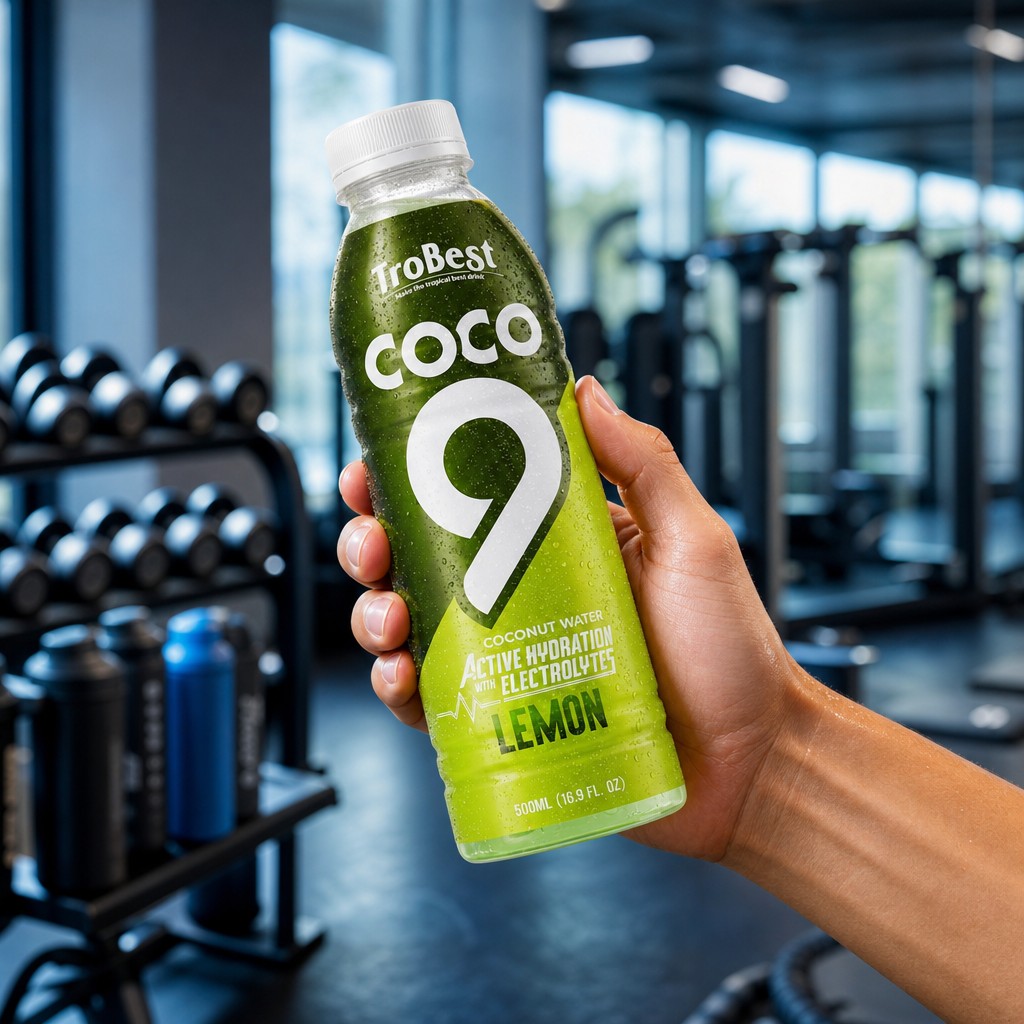
The target audience for this product is broad, encompassing fitness enthusiasts, athletes, office workers, and general consumers looking for a flavorful, natural beverage. The “Active Hydration” positioning is particularly relevant for individuals engaged in moderate to intense physical activity, as the electrolytes help replenish fluids lost through sweat. However, the product’s palatable taste and convenient packaging also make it suitable for casual consumption, such as during travel, work breaks, or social gatherings.
In retail environments, the product is designed to compete both in the functional beverage aisle and in the mainstream soft drink section. Its vibrant packaging and clear value proposition make it an attractive option for supermarkets, convenience stores, gyms, and online platforms. For brands looking to expand their portfolio, offering a coconut water variant with added lemon flavor can differentiate their lineup and capture incremental sales.
Global Export Dynamics and Market Opportunities
The export landscape for coconut water is shaped by a complex interplay of consumer trends, trade policies, and logistics considerations. Vietnam has emerged as a key player in this market, leveraging its cost advantages and quality improvements to capture market share from traditional suppliers like Thailand and the Philippines.
One of the most significant opportunities lies in the Middle East and North Africa (MENA) region, where demand for premium beverages is rising rapidly. The region’s hot climate and growing health awareness make coconut water an ideal product for hydration. Trobest’s HALAL certifications are particularly valuable in this context, as they provide assurance to Muslim consumers and facilitate entry into markets such as Saudi Arabia, the United Arab Emirates, and Qatar.
In Europe and North America, the focus is on clean-label and sustainability credentials. Consumers in these markets are increasingly concerned about the environmental impact of packaging and the ethical sourcing of ingredients. Trobest’s commitment to sustainable practices and its use of recyclable PET bottles align with these values, enhancing its appeal to environmentally conscious buyers.
Navigating Regulatory Landscapes
Exporting beverages requires careful navigation of diverse regulatory frameworks. Each target market has its own requirements for labeling, ingredient approvals, and safety certifications. For example, the European Union requires compliance with its Novel Food Regulation and strict limits on pesticide residues. The United States mandates adherence to FDA regulations, including Good Manufacturing Practices (GMP) and labeling standards under the Food Allergen Labeling and Consumer Protection Act (FALCPA).
Trobest’s comprehensive certification portfolio—including BRC, FSSC 22000, and GMP—provides a strong foundation for meeting these requirements. Additionally, the company’s experience in exporting to over 100 countries means it has developed expertise in handling the documentation and quality assurance protocols demanded by different regulators. This reduces the burden on partner brands and accelerates time-to-market.
Strategic Partnerships: OEM and ODM Opportunities
For beverage brands seeking to launch a coconut water product without investing in their own manufacturing facilities, OEM (Original Equipment Manufacturing) and ODM (Original Design Manufacturing) partnerships offer a compelling solution. Trobest, through its parent company RITA, provides end-to-end services that encompass product development, sourcing, production, packaging, and logistics.
This model allows brands to leverage RITA’s extensive experience and infrastructure while maintaining their own brand identity. Whether a company wants a custom flavor formulation, a specific packaging design, or a turnkey solution that includes market-specific labeling, RITA can accommodate these needs. The company’s OEM service is particularly valuable for startups and mid-sized brands that need to scale quickly without the capital expenditure of building a production facility.
Moreover, the ODM service enables brands to tap into RITA’s innovation capabilities. The development of the Trobest Active Hydration Coconut Water with Electrolytes – Lemon Flavor itself is an example of how RITA combines market research with technical expertise to create products that resonate with consumers. Partner brands can benefit from this same R&D pipeline, accelerating their innovation cycles and reducing time-to-market.
Frequently Asked Questions
What is the shelf life of Trobest Active Hydration Coconut Water with Electrolytes?
The product has a standard shelf life of 12 months when stored in a cool, dry place away from direct sunlight. Once opened, it should be refrigerated and consumed within 24 hours for optimal freshness.
Is this product suitable for consumers with dietary restrictions?
Yes, the Trobest Active Hydration Coconut Water with Electrolytes – Lemon Flavor is naturally gluten-free, vegan, and contains no artificial flavors or preservatives. It is also HALAL and Kosher certified, making it suitable for a wide range of dietary preferences.
Can this product be used as a sports drink alternative?
Absolutely. The naturally occurring electrolytes in coconut water, combined with the added electrolyte blend, make it an excellent choice for rehydration after physical activity. Its light, refreshing taste also makes it more palatable than many synthetic sports beverages.
What packaging options are available for private-label orders?
In addition to the standard 16.9 fl oz (500ml) PET bottle, Trobest offers flexible packaging options including different bottle sizes, labeling designs, and multi-pack configurations. Minimum order quantities and lead times can be discussed directly with the sales team.
How does Trobest ensure product quality and consistency?
Trobest operates a state-of-the-art manufacturing facility that is certified to BRC, FSSC 22000, ISO, GMP, and HACCP standards. Every batch undergoes rigorous quality control testing, including microbiological analysis, sensory evaluation, and chemical composition checks, to ensure consistency and safety.
