Blog
Global Aloe Vera Beverage Demand Surges Among Health-Conscious Consumers

Sep
The global beverage industry is witnessing a pronounced shift toward natural, plant-based drinks, with aloe vera juice emerging as a standout category. Over the past three years, international trade data reveals a compound annual growth rate of 8.2% for aloe vera beverages, driven by rising consumer interest in transparent ingredients and visibly natural content. Importers and distributors across Asia, Europe, and the Americas are actively seeking reliable suppliers capable of delivering consistent quality, scalable production, and certified compliance.
Key Takeaways
- Global aloe vera juice market projected to exceed USD 2.5 billion by 2028, with Asia-Pacific leading demand.
- B2B buyers prioritize certified manufacturers with HACCP, HALAL, and FSSC 22000 credentials.
- Visible aloe vera pulp and premium PET packaging drive consumer preference in retail and food service channels.
- OEM/ODM flexibility allows importers to adapt formulations and labeling for local markets.
- Vietnam’s aloe vera farms supply high-quality raw material, supporting year-round production.
Market Dynamics: Why Aloe Vera Juice Is Gaining Traction
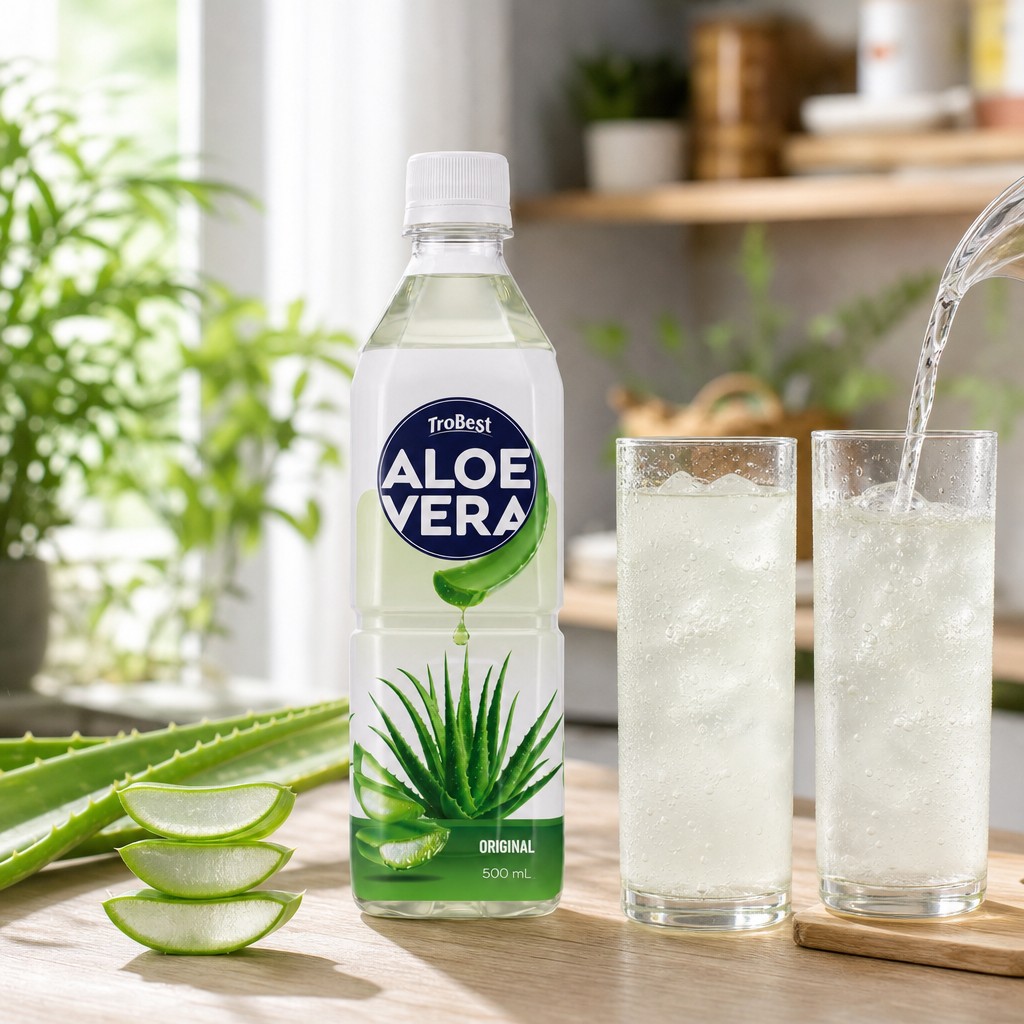
Consumer behavior in key markets such as the United States, Germany, Japan, and the United Arab Emirates shows a clear pivot toward beverages with simple, recognizable ingredients. Aloe vera juice, with its naturally mild flavor and visible pulp pieces, fits this trend perfectly. According to a 2024 report by BeverageDaily, ready-to-drink aloe beverages grew by 12% in shelf space across European supermarkets last year, reflecting both retail acceptance and consumer trial.
The surge is not limited to developed economies. In Southeast Asia and the Middle East, aloe vera drinks have long been staples, but premiumization is now occurring. Importers are moving away from powder-based concentrates toward freshly processed, aseptically filled juices that retain the plant’s natural clarity and texture. This shift creates opportunities for manufacturers like RITA Food & Drink Co., Ltd., which operates under the Trobest brand and offers a 500ml PET bottle Aloe Vera Juice Original that meets these evolving specifications.
Raw Material Excellence: The Aloe Vera Farm Connection
Quality begins at the farm. RITA sources its aloe vera from carefully managed plantations in Vietnam’s central and southern regions, where the tropical climate allows year-round cultivation. The company’s commitment to traceability is documented through visits to its raw material areas, as highlighted in the article From Fresh Aloe Vera Farms to Premium Beverages. This vertical integration ensures that the leaves are harvested at peak maturity and processed within hours, preserving the natural gel and minimizing enzymatic browning.
For B2B buyers, this farm-to-bottle transparency is a powerful selling point. It allows distributors to market the product with confidence, knowing that the raw material is grown under sustainable practices and that the supply chain is fully auditable. The aloe vera used in Trobest’s beverage is non-organic but cultivated with minimal chemical inputs, aligning with the preferences of health-conscious consumers who prioritize natural ingredients over certification labels.
Manufacturing Excellence and Global Certifications
In the competitive landscape of aloe vera juice exports, certifications are not optional—they are prerequisites. Trobest’s parent company, RITA Food & Drink Co., Ltd., operates facilities that are certified under multiple internationally recognized standards: BRC, FSSC 22000, HALAL (Jakim and HCA-GCC), Kosher, ISO, GMP, HACCP, and SMETA. These credentials cover food safety, quality management, religious compliance, and ethical labor practices, giving importers a single-source solution for demanding markets.
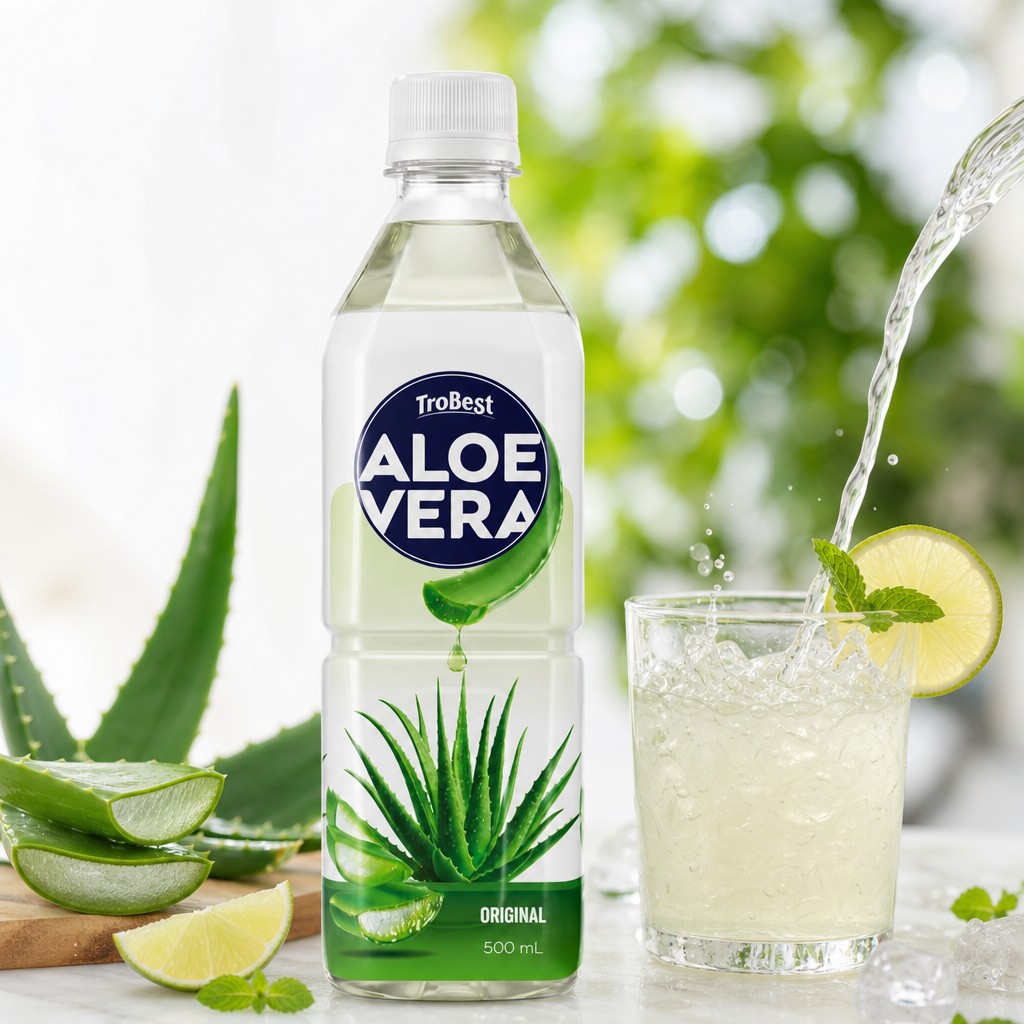
The 500ml PET bottle Aloe Vera Juice Original is manufactured using aseptic processing, which extends shelf life to 12 months without refrigeration while preserving the natural flavor and texture. The clear PET bottle showcases the aloe vera pulp, a visual cue that strongly appeals to consumers who associate visible ingredients with authenticity. The tamper-evident cap ensures integrity during international shipping, a critical factor for long-distance logistics.
RITA’s OEM/ODM capabilities allow buyers to customize sweetness levels, pulp concentration, and packaging design. For example, a distributor targeting the European market might request a lower sugar formulation, while a Middle Eastern partner could add a touch of lime for regional preference. The company’s experience in over 100 countries means it can navigate labeling regulations and import documentation smoothly.
Packaging Innovation: PET Bottle Advantages
The choice of 500ml PET bottle is deliberate. PET is lightweight, shatter-resistant, and fully recyclable, addressing both logistical and environmental concerns. The clear material allows the product to be its own advertisement—consumers can see the aloe vera pieces suspended in the juice, which builds trust and encourages trial. According to packaging trends reported by FoodNavigator, transparent packaging for natural beverages increased by 18% in 2023, as brands move away from opaque cans and cartons to highlight product purity.
For food service and hospitality channels, the 500ml size is versatile: it works as a single-serve option for cafes, a complement to hotel breakfast buffets, and a stock item for airline catering. The bottle’s design also includes a large label area that can be customized for private label partners, ensuring brand visibility on retail shelves.
Global Distribution Channels and B2B Opportunities
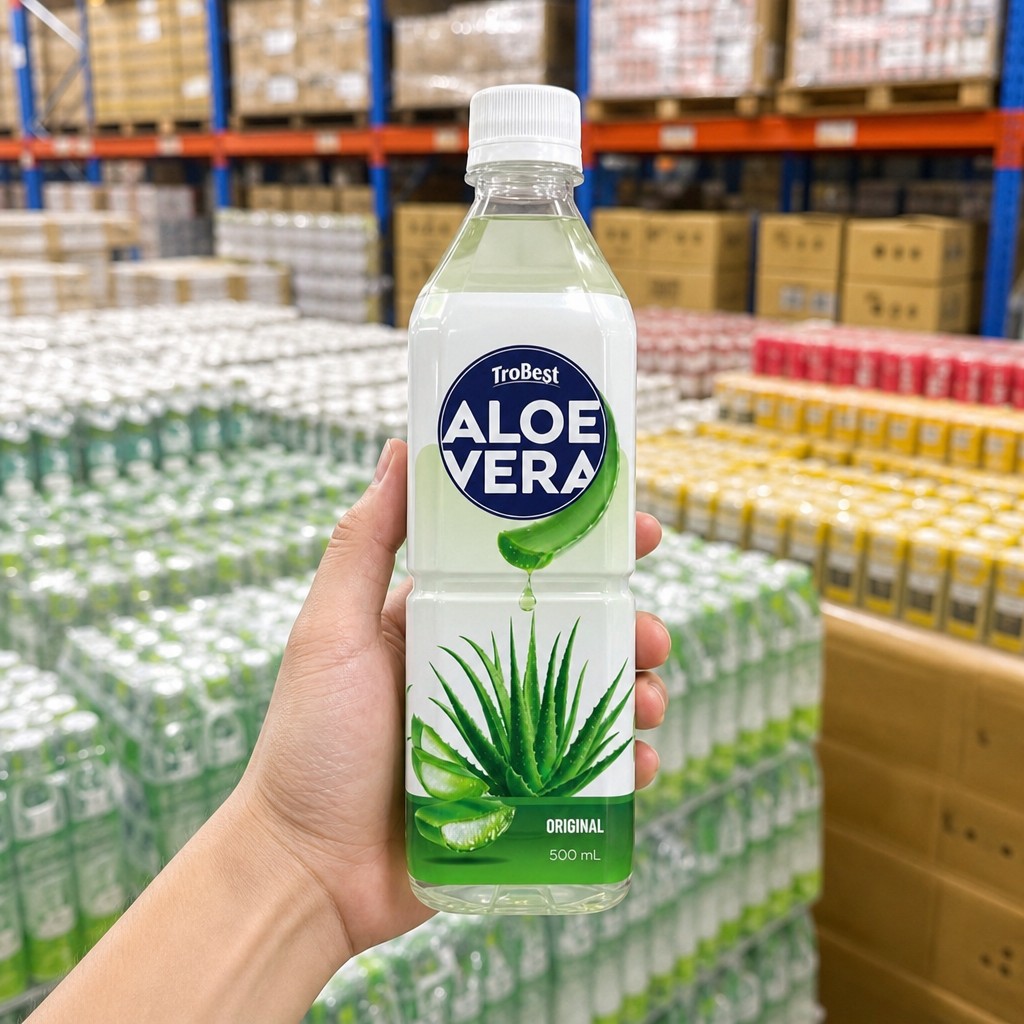
Importers and distributors are increasingly looking for products that fit multiple sales channels. Aloe vera juice, with its refreshing taste and clean ingredient list, performs well in convenience stores, supermarkets, health food shops, and online marketplaces. The RITA/Trobest partnership offers a turnkey solution: the manufacturer handles production, certification, and logistics, while the distributor focuses on local market penetration.
A key advantage for B2B buyers is the ability to source from a single supplier that covers a wide range of tropical beverages. RITA’s catalog includes not only aloe vera juice but also coconut water, fruit juices, chia seed drinks, and tea-based beverages. This breadth allows distributors to consolidate shipments and reduce per-unit costs. For aloe vera specifically, the company maintains a dedicated product line with consistent quality across batches, supported by rigorous quality control labs.
Market entry strategies vary by region. In Europe, where aloe vera juice is still emerging, education and sampling are crucial. Distributors often pair the product with point-of-sale materials that explain the sourcing story. In the Middle East, where aloe vera is a traditional remedy, the focus is on premium packaging and convenience. In North America, the trend toward plant-based, functional ingredients drives demand, and the visible pulp appeals to the “real food” movement.
Private Label and Customization
One of the fastest-growing segments in the beverage industry is private label. Retailers and food service chains want products that carry their own brand while maintaining quality and consistency. RITA’s OEM/ODM services allow for complete customization: from formulation adjustments (sweetness, flavor, pulp content) to packaging design (label artwork, bottle shape, cap color). The company’s minimum order quantities are flexible, accommodating both entry-level test runs and large-scale rollouts.
For example, a European health food chain could launch a “Natural Aloe Vera Drink” under its own label, using the same aseptic PET bottle but with custom graphics. The chain would benefit from RITA’s certifications and supply chain reliability without investing in manufacturing infrastructure. This model is particularly attractive for brands that want to expand into new categories quickly.
Future Outlook: Aloe Vera in the Global Beverage Landscape
Looking ahead, the aloe vera juice category is expected to maintain its growth trajectory, driven by demographic shifts and increasing disposable incomes in emerging markets. The product’s natural appeal crosses cultural boundaries, making it a safe bet for international distributors. However, success depends on partnering with a manufacturer that can deliver on quality, certifications, and supply chain consistency.
RITA Food & Drink Co., Ltd., with its Trobest brand, exemplifies the type of partner that global buyers are seeking. The 500ml PET bottle Aloe Vera Juice Original is not just a product—it is a platform for market entry. With its farm-to-bottle transparency, robust certifications, and OEM/ODM flexibility, it offers a low-risk, high-potential opportunity for importers and distributors worldwide. As the health-conscious consumer trend continues to reshape the beverage industry, aloe vera juice stands out as a refreshing, naturally appealing choice.
Frequently Asked Questions
What is the shelf life of Trobest Aloe Vera Juice Original?
The product has a shelf life of 12 months from the production date when stored in a cool, dry place. Aseptic processing ensures stability without refrigeration.
Can I customize the sweetness level for private label orders?
Yes, RITA offers OEM/ODM services that allow adjustments to sugar content, pulp concentration, and flavor profile to meet specific market preferences.
What certifications does the manufacturer hold?
RITA Food & Drink Co., Ltd. holds BRC, FSSC 22000, HALAL (Jakim & HCA-GCC), Kosher, ISO, GMP, HACCP, and SMETA certifications, ensuring compliance with global standards.
Is the aloe vera juice suitable for food service channels?
Absolutely. The 500ml PET bottle is ideal for cafes, hotels, airlines, and restaurant chains. The tamper-evident cap and robust packaging protect against breakage during transport.
What is the minimum order quantity for private label?
Minimum order quantities are flexible and depend on the specific customization requirements. Contact RITA’s sales team for a tailored quote.
