Blog
Original Taste Energy Drink Market Trends and Opportunities for Global Importers
Jun
The global energy drink market continues to expand, driven by shifting consumer lifestyles and increasing demand for convenient, on-the-go beverages. Among the many segments, the original taste energy drink market is gaining traction as consumers seek authentic, non-fruity flavor profiles that deliver a classic energy boost. For importers, distributors, and F&B businesses looking to diversify their portfolios, understanding regional trends and supply chain capabilities is essential. Vietnam, as a rising manufacturing hub, offers competitive advantages in OEM and private label production.
Key Takeaways
- The original taste energy drink market is poised for growth in both the USA and Europe, driven by demand for classic flavors and clean-label ingredients.
- Product innovation in the energy drink category focuses on natural caffeine sources and reduced sugar content, aligning with premiumization trends.
- Importers can leverage Vietnam-based manufacturers like Trobest for flexible OEM/ODM solutions with global certifications.
- Understanding regional consumption habits is critical for successful market entry and brand positioning.
Why the Original Taste Energy Drink Segment Matters
Energy drinks have evolved beyond niche athletic performance beverages into mainstream consumer goods. The original taste segment—typically characterized by a balanced, slightly tart, and carbonated profile—remains a staple in the category. Unlike flavored variants such as berry or citrus, original taste appeals to a broad demographic that values familiarity and consistency. This is particularly relevant in mature markets like the USA and Europe, where brand loyalty is high and consumers often resist overly sweet or exotic flavors.
From a B2B perspective, the original taste energy drink market offers predictable demand cycles and lower formulation complexity, making it an ideal entry point for private label or OEM partnerships. Distributors can standardize their inventory around a core product while differentiating through packaging, caffeine levels, or added functional ingredients that comply with local regulations.
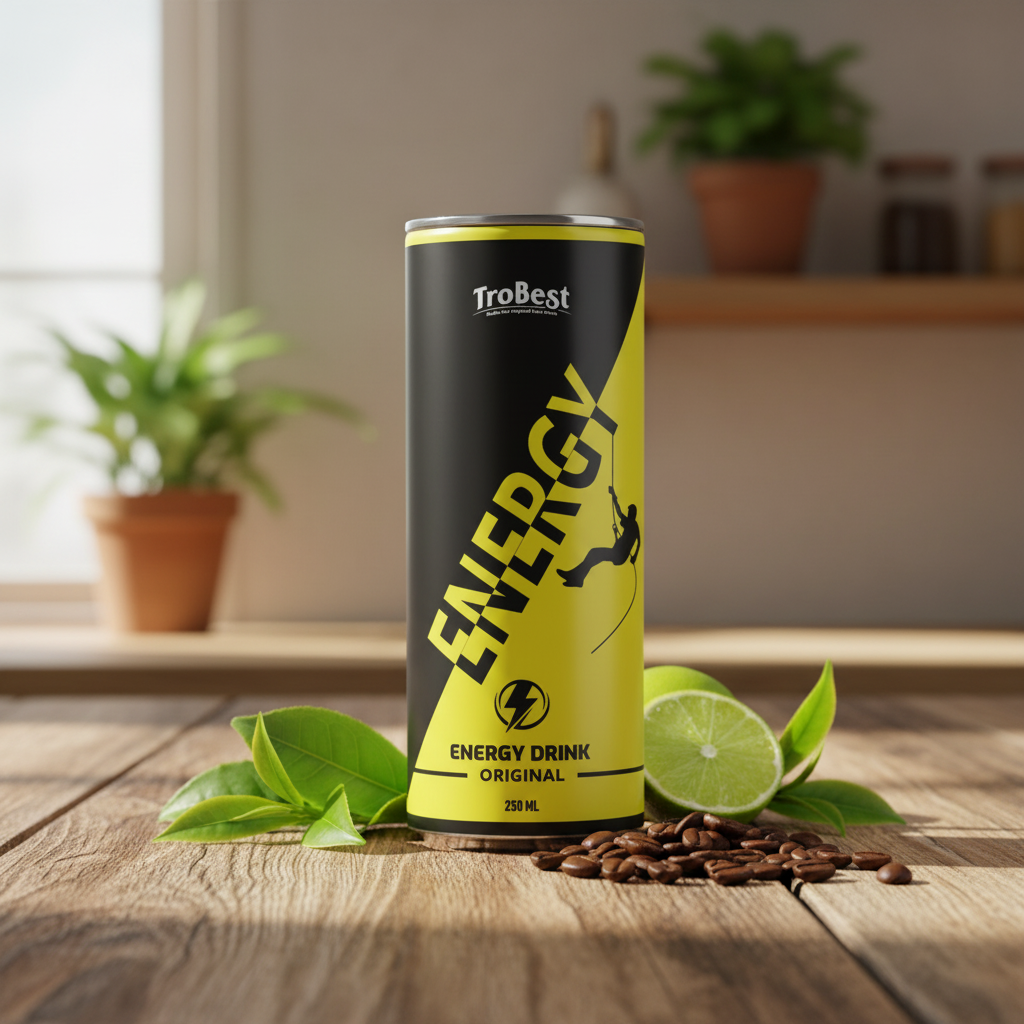
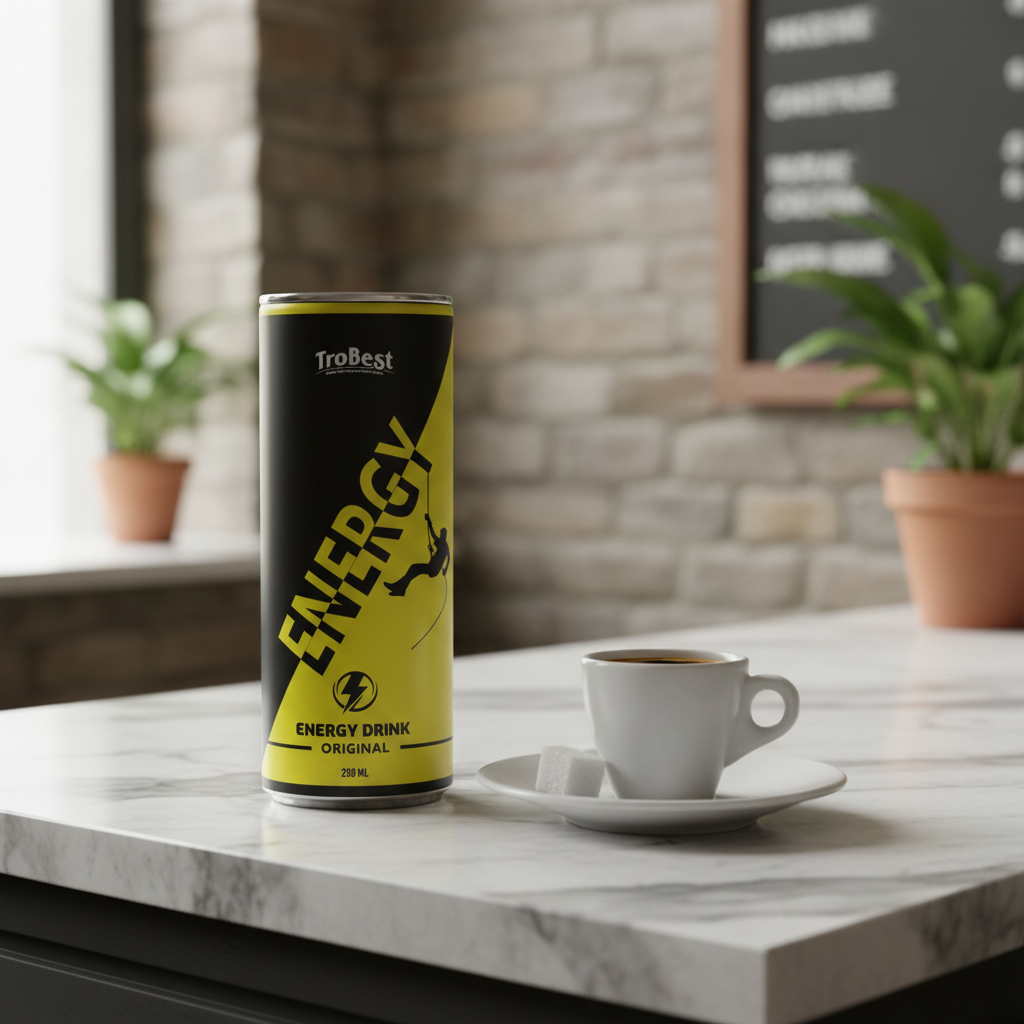
For example, a product like the original taste energy drink from Trobest demonstrates how Vietnamese manufacturers are catering to this segment. With a neutral flavor base, it can be easily customized for different markets through co-packing or ingredient tweaks, all while maintaining a competitive price point.
United States Market: Insights for Energy Drink Importers
The USA is the largest energy drink market globally, with sales exceeding $20 billion annually. The original taste energy drink market in America is dominated by legacy brands, but there is increasing room for new entrants that offer clean-label, low-sugar, or organic formulations. American consumers are becoming more ingredient-conscious, and products with recognizable components and transparent sourcing are preferred.
Key trends include the rise of “natural energy” drinks using green tea caffeine or guarana, and a shift toward recyclable aluminum cans. For importers, partnering with a manufacturer that holds certifications like HACCP, ISO, and FSSC 22000 is critical to meeting FDA and retailer compliance. Vietnamese suppliers, such as those under the Trobest brand, offer these certifications along with flexible MOQ, making them attractive for both trial runs and scale-up.
Additionally, the American market values brand storytelling and origin authenticity. Vietnam’s tropical sourcing narrative can be leveraged to position a product as exotic yet reliable, especially if the energy drink uses natural caffeine derived from Vietnamese coffee or tea—a unique selling point that resonates with US consumers seeking differentiation.
Europe Market: Preferences and Regulatory Landscape
Europe represents a mature but dynamic market for energy drinks, with consumption concentrated in countries like Germany, the UK, and Poland. The original taste energy drink market in Europe benefits from a strong tradition of functional beverages and sports nutrition. However, regulatory hurdles around caffeine content, labeling, and health claims must be navigated carefully.
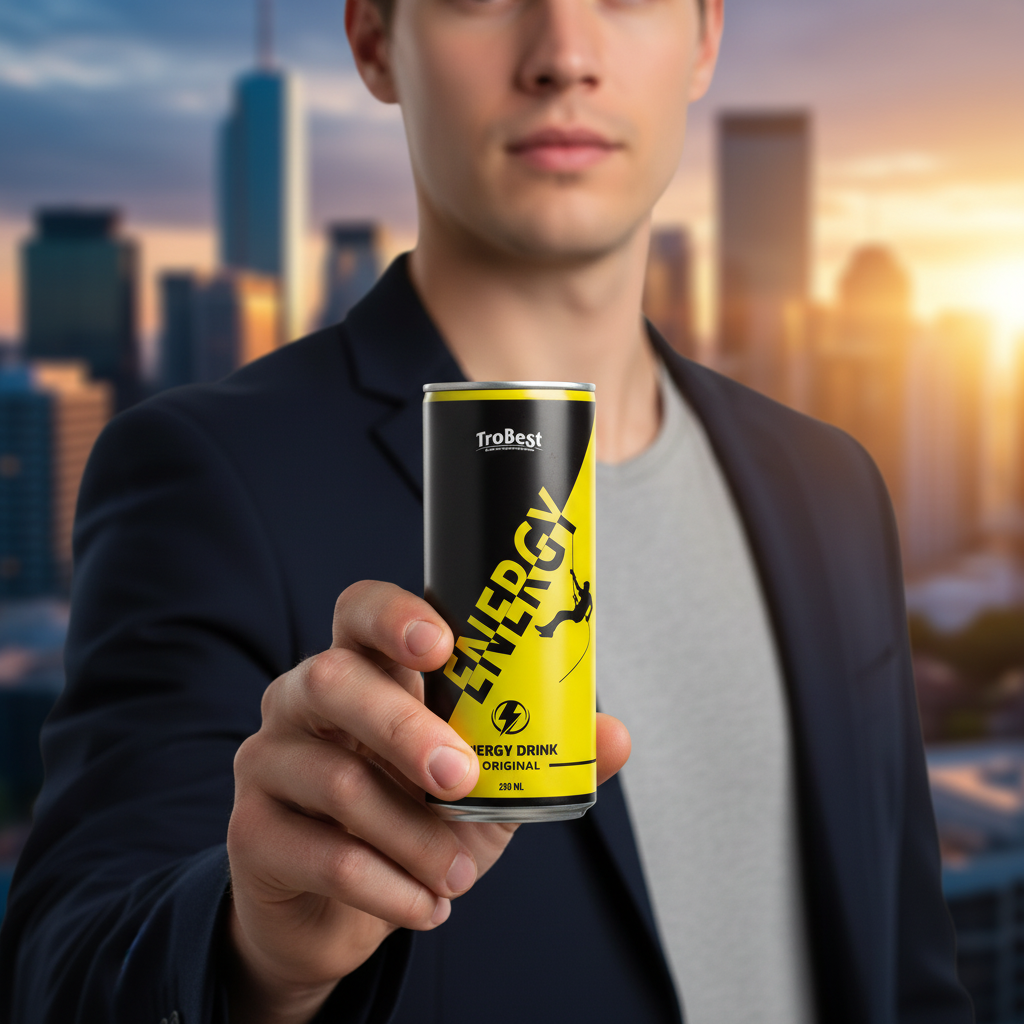
European consumers are increasingly demanding reduced sugar options and natural ingredients. The clean-label movement is particularly strong in Scandinavia and Western Europe. Importers should look for manufacturers that offer stevia-sweetened or no-added-sugar formulations without compromising the classic taste profile. Trobest’s energy drink range, including the original flavor, can be adapted to meet these specifications through its OEM service. The company’s HALAL certification also opens doors to Muslim-majority markets within Europe, such as France and Germany.
Packaging preferences in Europe favor sleek aluminum cans with minimalist design. Recyclability and environmental footprint are major purchasing drivers. A manufacturer’s ability to supply in various formats—cans, bottles, or paper boxes—adds flexibility for brands targeting different retail channels, from convenience stores to e-commerce.
OEM and Private Label Opportunities in Vietnam
Vietnam has emerged as a cost-effective and quality-driven sourcing destination for beverages. Companies like Trobest (a brand of Rita Food and Drink Co., Ltd) operate with 50 production lines and a capacity of ~1,200 containers per month, ensuring stable supply for large orders. Their original taste energy drink serves as a versatile base for private label programs.
Importers can benefit from:
- Customizable formulation: adjust sweetness, carbonation, caffeine level, and additives per market requirement.
- End-to-end packaging design support: label creation, barcodes, and pack sizes (250ml, 330ml, etc.).
- Competitive pricing due to low labor costs and vertical integration of raw materials.
- Global certifications (HACCP, HALAL, ISO, GMP, FSSC) that expedite market entry.
The original taste energy drink market fits perfectly into a B2B strategy because it requires minimal consumer education—unlike novel flavors. Distributors can launch their own brand with confidence, backed by a reliable manufacturer that understands export logistics to over 200 countries.
Future Outlook and Strategic Recommendations
As health and wellness trends reshape the beverage industry, the energy drink category is adapting with lower sugar options and natural ingredients. The original taste energy drink market is well-positioned to capture consumers who want the familiar functional boost without sweetness fatigue. For F&B businesses, entering this segment with a Vietnam-sourced product offers a compelling balance of cost, quality, and speed to market.
Importers should prioritize partners that provide transparent supply chains, flexible MOQ, and rapid prototyping. Companies like Trobest, with established expertise in OEM beverage manufacturing Vietnam, can help clients prototype their custom recipe within weeks. Additionally, staying informed about regulatory changes in target markets—such as the EU Novel Food regulation or FDA ingredient updates—will be crucial for sustained success.
The energy drink category is not slowing down. By focusing on the classic original taste and leveraging Vietnam’s manufacturing strengths, importers can build a resilient product line that meets global demand while maintaining healthy margins.
Frequently Asked Questions
What is the original taste energy drink market?
The original taste energy drink market refers to the segment of energy drinks that feature a classic, non-fruity flavor profile, typically balanced and slightly tart. It appeals to consumers seeking a familiar taste without strong fruity or candy-like notes.
Why should importers consider Vietnam for energy drink sourcing?
Vietnam offers competitive production costs, high manufacturing capacity, international quality certifications (HACCP, HALAL, ISO, FSSC), and flexible OEM/ODM services. Manufacturers like Trobest provide customizable formulations and packaging, making Vietnam an attractive source for energy drink private labeling.
What are the key trends in the US energy drink market?
US trends include demand for clean-label ingredients, reduced sugar formulations, natural caffeine sources, and sustainable packaging. The original taste segment remains strong for its consistency and broad consumer acceptance.
How can European importers navigate regulatory hurdles for energy drinks?
European importers should work with manufacturers that offer low-sugar or no-added-sugar options, comply with EFSA caffeine limits, and provide clear labeling. Certifications like HALAL also help access diverse consumer bases within Europe.
What packaging options are available for energy drink OEM?
Manufacturers like Trobest offer aluminum cans, glass bottles, PET bottles, and paper boxes. Custom sizes and label designs are available to suit different retail channels and brand positioning.
