Blog
Lemon Aloe Vera Juice Market Trends: Opportunities for Importers and Distributors in the US and Europe
Jun
The global beverage industry is undergoing a significant transformation, driven by shifting consumer preferences toward natural, plant-based, and exotic flavor profiles. Among the standout categories, aloe vera juice has emerged as a versatile ingredient with growing demand across developed markets. In particular, lemon aloe vera juice is capturing attention for its refreshing taste and clean label appeal. For importers, distributors, and F&B businesses looking to expand their portfolios, understanding the dynamics of the US and European markets is essential to capitalizing on this trend.
Key Takeaways
- The US and European markets show strong demand for natural, plant-based beverages with exotic flavors like lemon aloe vera juice.
- Importers should focus on clean label, low-sugar options and flexible packaging formats to meet retailer requirements.
- Vietnam-based manufacturers like Trobest offer OEM/ODM capabilities that align with Western market preferences for customization and quality compliance.
- Monitoring lemon aloe vera juice market trends helps businesses identify seasonal peaks and retail opportunities.
- Partnerships with certified suppliers (HACCP, HALAL, Organic) simplify market entry and regulatory approval.
US Market: Growing Appetite for Functional and Exotic Beverages
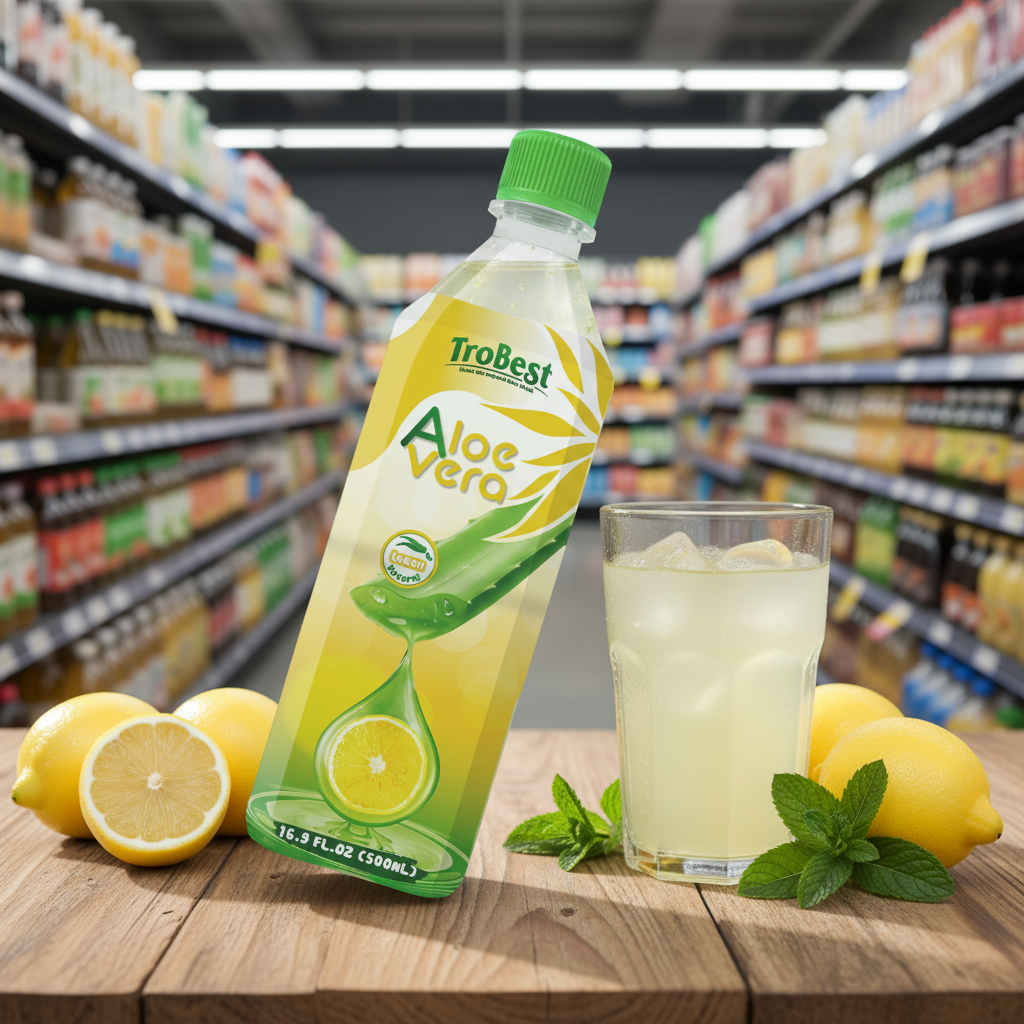
The United States remains one of the largest consumers of aloe vera juice, with a well-established retail presence in natural food stores, supermarkets, and online channels. American consumers increasingly seek beverages that offer both enjoyment and perceived well-being—without making explicit health claims. Lemon aloe vera juice fits this profile perfectly: it combines the familiar citrus note with the unique texture of aloe vera pulp, creating a premium drinking experience.
According to industry reports, the US aloe vera beverage market is projected to grow at a compound annual growth rate (CAGR) of around 6-8% through 2030. Key drivers include rising interest in plant-based diets, transparent labeling, and exotic flavor innovation. Lemon variants, in particular, appeal to a broad demographic—from health-conscious millennials to families seeking non-carbonated refreshments.
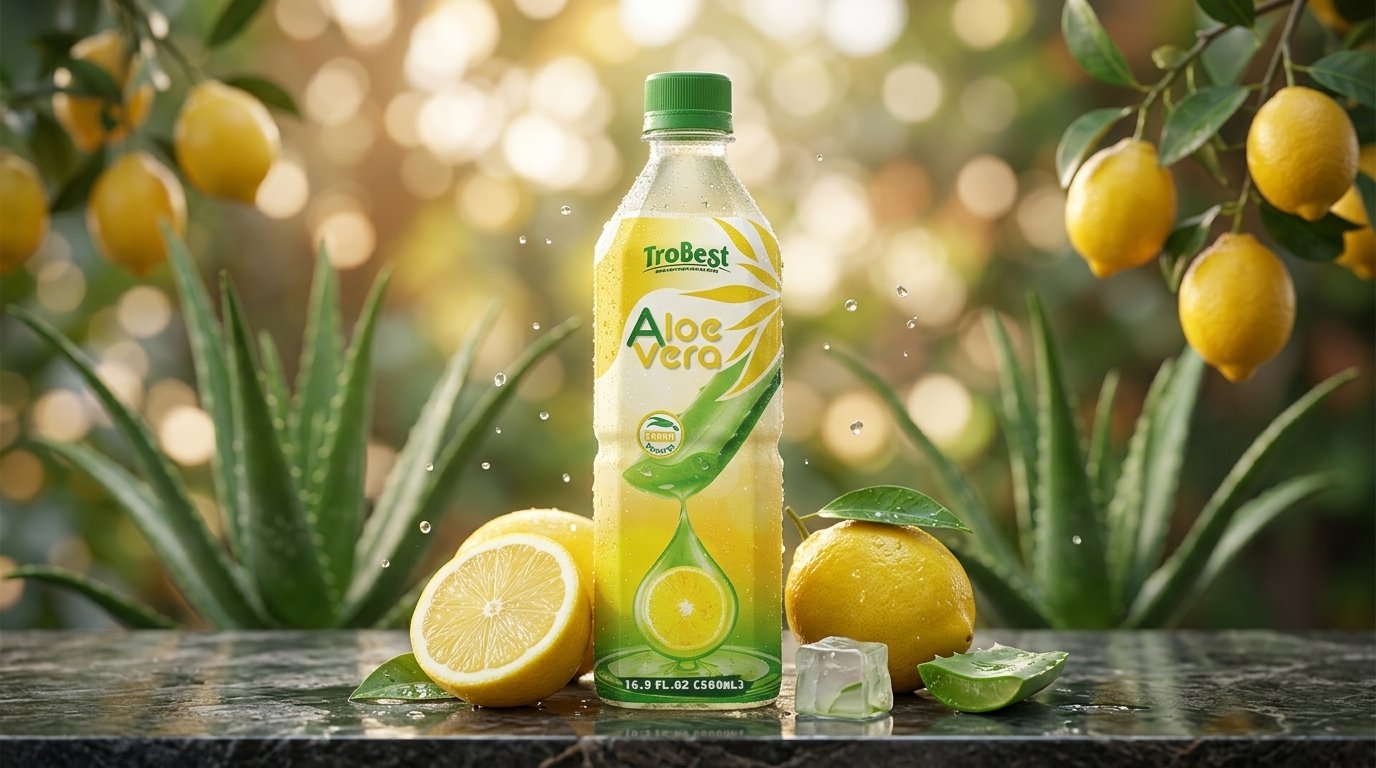
For importers, the opportunity lies in sourcing a consistent, high-quality supply from manufacturers who understand US regulatory standards. Products must comply with FDA labeling guidelines, which prohibit unsubstantiated health claims. Therefore, suppliers should provide clear ingredient lists, allergen information, and nutritional facts. Lemon aloe vera juice from Trobest, for instance, is available in PET bottles and cans, making it suitable for both retail shelves and foodservice operations.
European Market: Clean Label and Sustainability Drive Demand
Europe presents a similarly promising landscape for aloe vera juice, albeit with distinct consumer priorities. The EU market emphasizes clean label—meaning no artificial additives, low sugar, and recognizable ingredients. Lemon aloe vera juice, with its simple formulation of aloe vera, water, lemon juice, and natural sweeteners (if any), aligns well with this ethos.
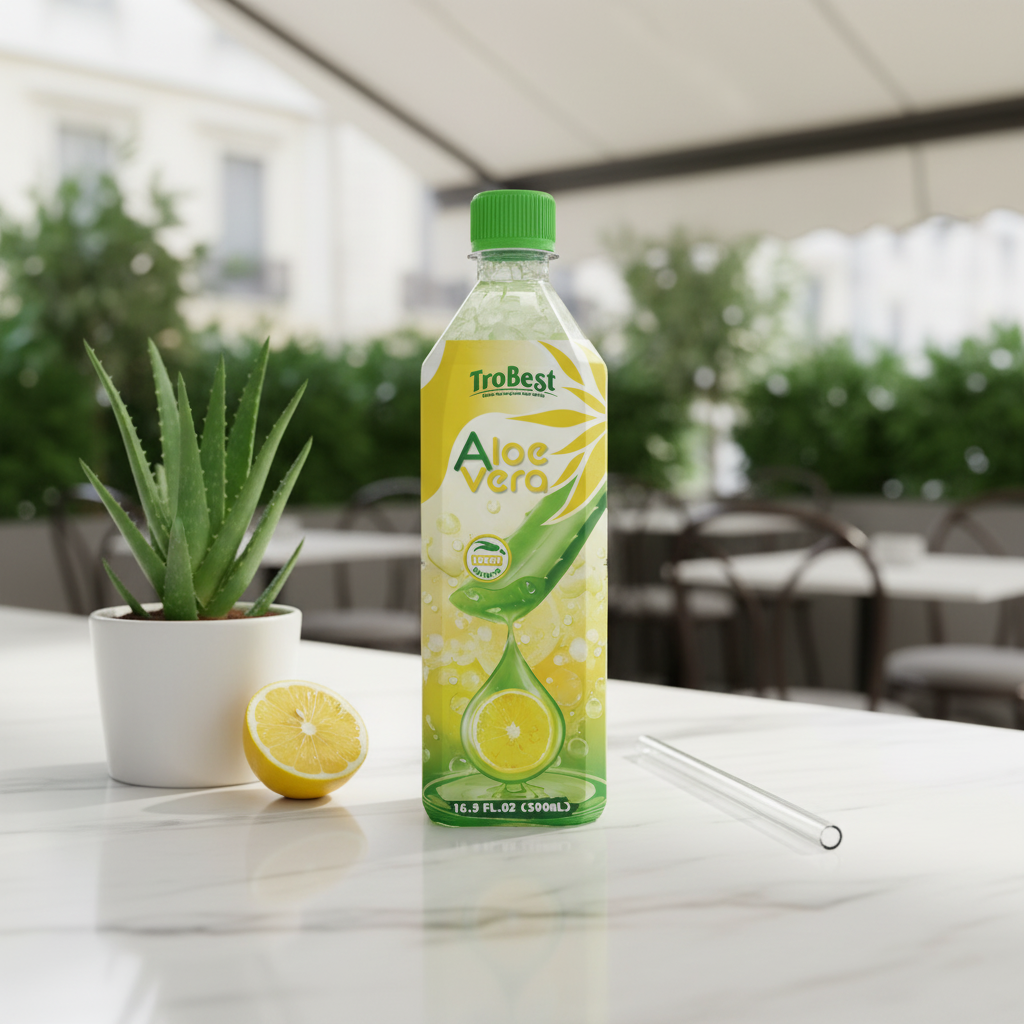
In countries like Germany, the UK, and the Netherlands, aloe vera drinks are often positioned as premium soft drinks or mixers for cocktails and mocktails. The lemon flavor adds a bright, zesty note that enhances versatility. Additionally, European retailers are increasingly demanding sustainable packaging and ethical sourcing. Manufacturers that offer eco-friendly options, such as recyclable aluminum cans or paper-based containers, gain a competitive edge.
From a distribution perspective, the European market is fragmented, with strong regional preferences. Importers should work closely with local brokers and distributors who understand each country’s labeling laws (e.g., EU regulation 1169/2011). The presence of certifications like Organic, HALAL, or BSCI can facilitate smoother entry into specialized channels such as organic supermarkets or halal grocery stores.
Supply Chain Advantage: Why Vietnam is a Sourcing Hub for Lemon Aloe Vera Juice
Vietnam has become a leading source of tropical beverages, especially aloe vera juice, due to its abundant raw materials, advanced processing technology, and cost-effective labor. Companies like Trobest (a brand of Rita Food And Drink Co., Ltd) operate modern production lines with a capacity of ~1,200 containers per month, ensuring reliable supply for global partners.
For importers in the US and Europe, working with a Vietnamese manufacturer offers several benefits: competitive pricing, flexible MOQ, and the ability to customize flavor profiles, sweetness levels, and packaging. Trobest provides full OEM/ODM services, allowing clients to develop a private label lemon aloe vera juice that meets local taste preferences.
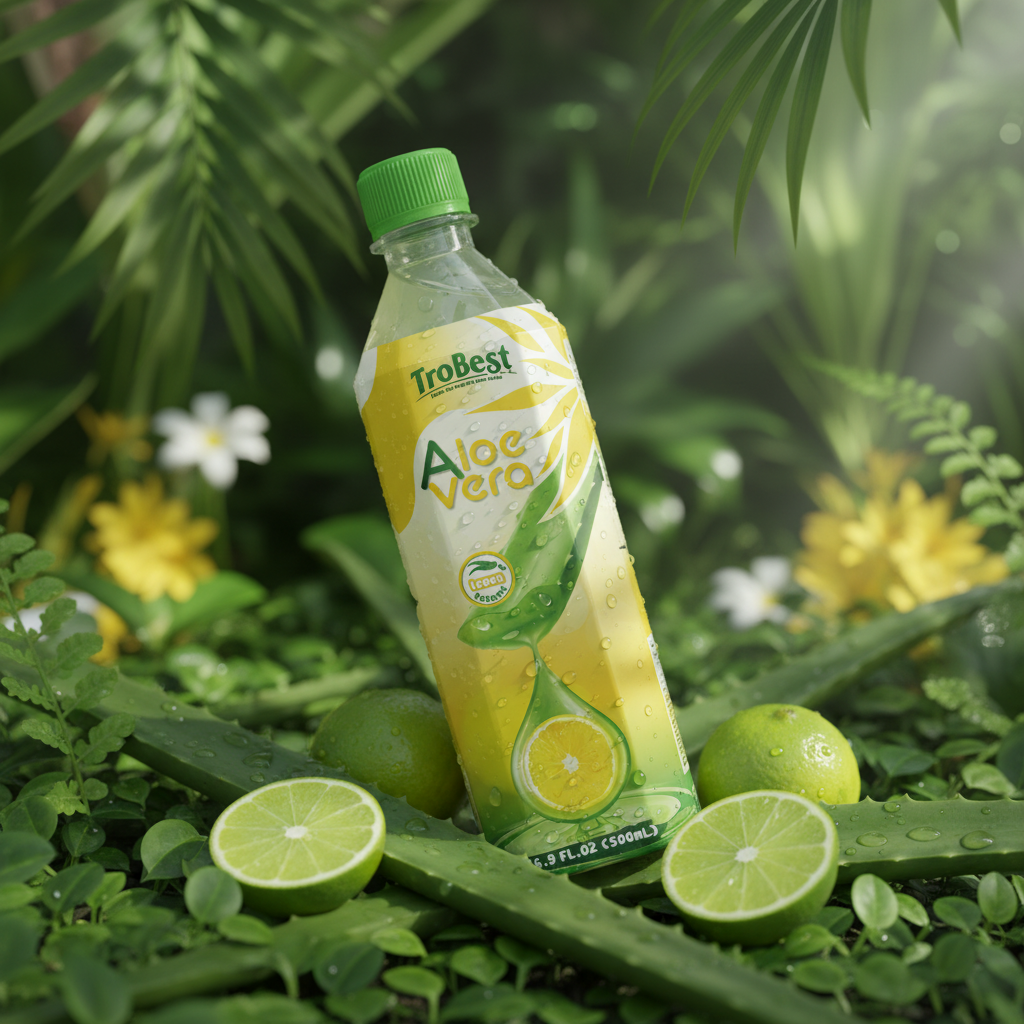
Moreover, Vietnamese suppliers are increasingly compliant with international quality standards. Trobest holds HACCP, ISO, GMP, FSSC, HALAL, and Organic certifications, which simplify the import process for buyers. These certifications address both safety and religious dietary requirements, broadening the potential market reach.
Strategic Product Positioning for Wholesale Success
When entering the US or European market, product differentiation is crucial. Lemon aloe vera juice can be positioned as a refreshing alternative to traditional fruit juices and carbonated drinks. Importers should consider offering multiple SKUs:
- Ready-to-drink (RTD) bottles for convenience stores and supermarkets
- Aluminum cans for on-the-go consumers and vending machines
- Large-format PET containers for foodservice and hospitality
Additionally, highlighting the product’s natural texture—visible aloe vera pulp—can be a unique selling point. The lemon flavor enhances the overall sensory experience without overpowering the mild aloe base.
Market Entry Considerations for Wholesale Buyers
Importers and distributors should evaluate several factors before committing to a supplier:
- Shelf life: Most aloe vera juices have a shelf life of 12-18 months when properly packaged with aseptic technology. Confirm with the manufacturer.
- Storage conditions: Ambient storage is possible for aseptic packages, reducing logistics costs.
- Minimum order quantities (MOQ): Flexible MOQ options are available from Trobest, allowing smaller buyers to test the market.
- Certifications: Ensure the supplier’s certifications cover the target market’s requirements (e.g., Organic for EU, HALAL for Middle East and parts of Europe).
For businesses interested in exploring private label opportunities, Trobest’s end-to-end services include formulation support and packaging design, which can accelerate time to market. Visit their aloe vera juice supplier page for more details.
Frequently Asked Questions
What is lemon aloe vera juice?
Lemon aloe vera juice is a non-carbonated beverage made from aloe vera pulp, water, and lemon flavor. It offers a refreshing taste and is commonly consumed as a soft drink or cocktail mixer.
Why is the US market attractive for lemon aloe vera juice?
The US market shows strong demand for natural, plant-based beverages with exotic flavors. Lemon aloe vera juice appeals to health-conscious consumers seeking flavorful alternatives to sugary sodas.
What certifications should importers look for when sourcing aloe vera juice?
Importers should prioritize suppliers with HACCP, ISO, GMP, FSSC, HALAL, and Organic certifications to ensure product safety, quality, and market access.
Can I customize the sweetness level of lemon aloe vera juice for my brand?
Yes, manufacturers like Trobest offer OEM/ODM services that allow customization of flavor, sweetness, viscosity, and packaging to suit target market preferences.
What is the typical shelf life of lemon aloe vera juice?
When packaged using aseptic technology, lemon aloe vera juice can have a shelf life of 12 to 18 months without refrigeration.
