Blog
How the Ready To Drink Banana Matcha Latte Is Reshaping the US and European Beverage Market
Jun
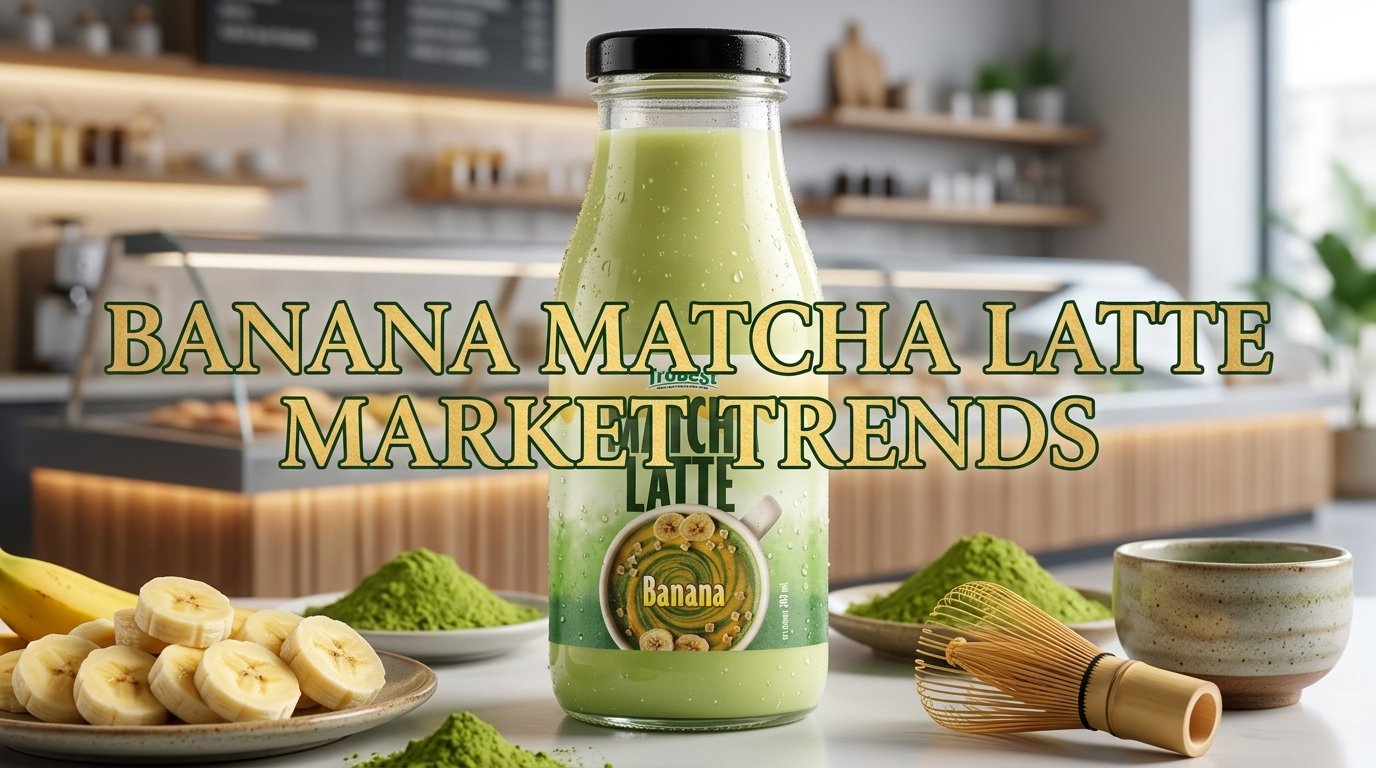
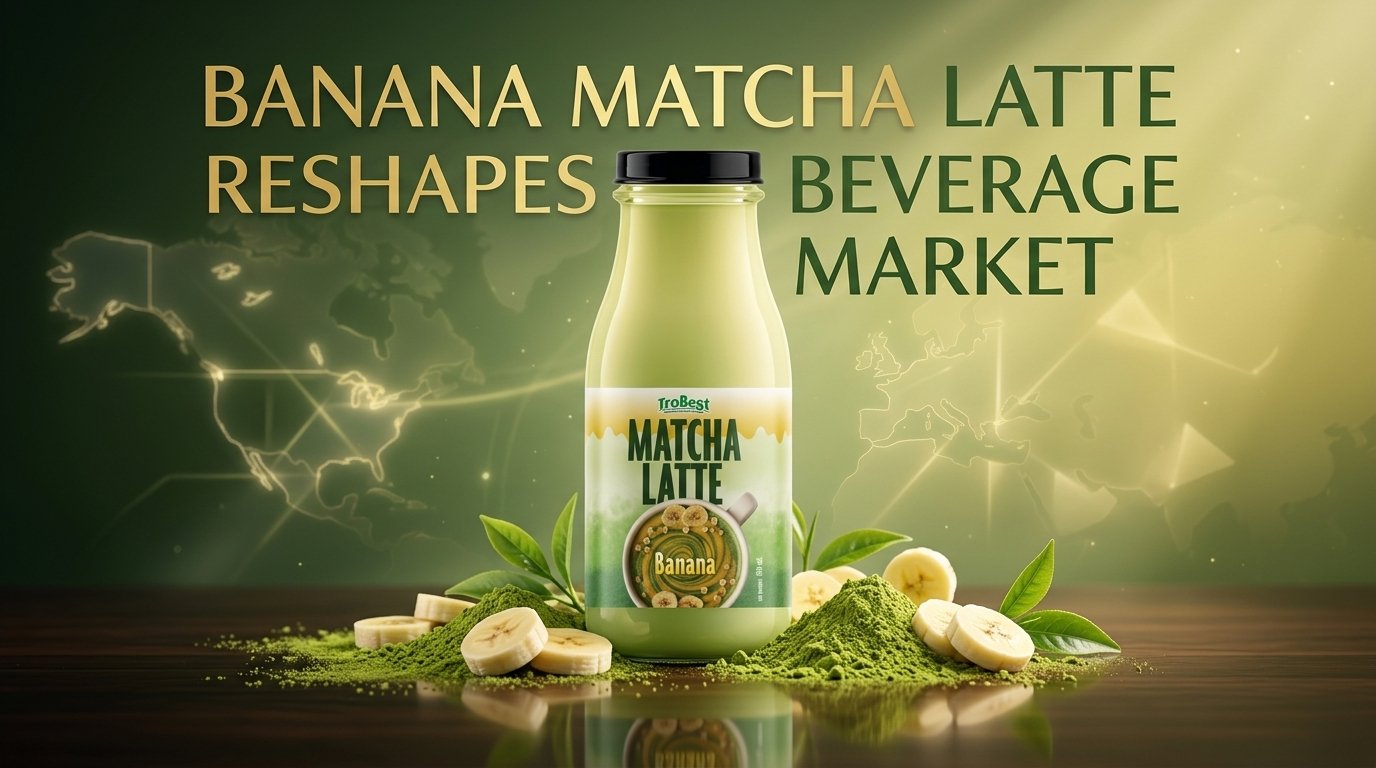
The global beverage industry is witnessing a paradigm shift as consumers increasingly seek convenient, premium, and flavor-forward options. Among the emerging stars, the Ready To Drink Banana Matcha Latte 280ml Glass Bottle has captured the attention of importers, distributors, and retail chains across North America and Europe. This article explores the market dynamics driving demand for this unique fusion, analyzes consumer trends, and examines how B2B buyers can leverage this product for competitive advantage.
Key Takeaways
- The Ready To Drink Banana Matcha Latte combines two high-growth categories—matcha and plant-based fruit lattes—creating a distinct shelf proposition.
- US and European markets show strong appetite for ready-to-drink (RTD) premium beverages with clean labels and sustainable packaging.
- Importers and distributors can capitalize on the product’s glass bottle format and natural flavor profile to target eco-conscious and health-curious consumers.
- Strategic partnerships with manufacturers like Trobest offer flexible OEM/ODM options for private label expansion.
The Rise of Fruit-Matcha Hybrids in RTD Beverages
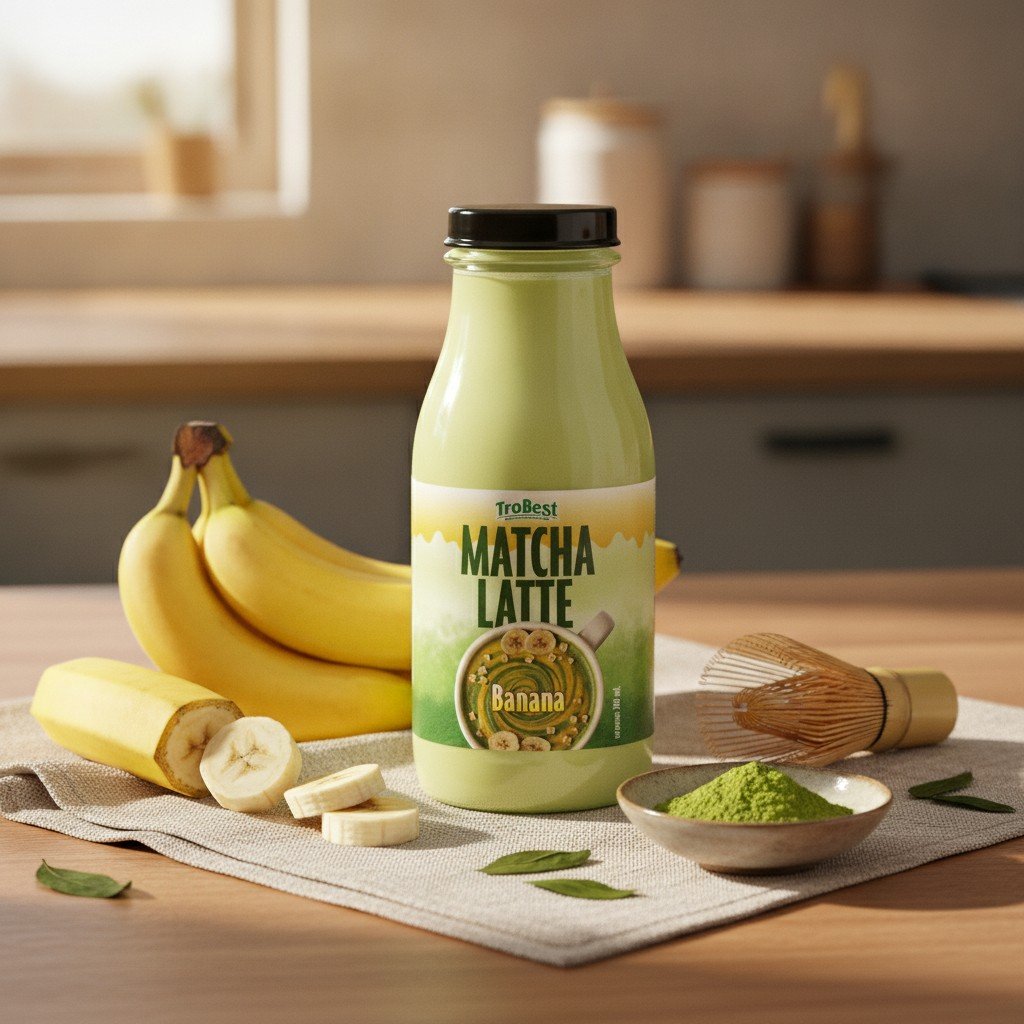
Matcha has long been a staple in the specialty tea segment, but its integration with fruits—especially banana—is a relatively new wave. In the US, matcha tea sales in retail channels grew by over 30% year-over-year from 2020 to 2023, while banana-flavored beverages saw a resurgence driven by nostalgia and natural sweetness appeal. The Ready To Drink Banana Matcha Latte sits at the intersection of these trends, offering a creamy, balanced taste that appeals to both matcha purists and fruit latte lovers.
European markets, particularly in the UK, Germany, and the Netherlands, are witnessing similar growth. According to Euromonitor, the RTD coffee and tea category in Europe is projected to exceed €8 billion by 2026, with fruit-infused matcha products gaining traction in convenience stores and specialty supermarkets. The banana matcha latte’s unique flavor profile—ripe banana sweetness tempered by matcha’s umami—provides a point of differentiation in a crowded RTD landscape.
Why Banana and Matcha Work Together
From a sensory perspective, banana adds velvety mouthfeel and natural sweetness, reducing the need for added sugars. Matcha contributes a subtle earthiness and vibrant green color. This combination creates a product that feels indulgent yet clean. For B2B buyers, this means a SKU that can be marketed as a premium alternative to sugary sodas or artificial energy drinks, without crossing into functional health claims (which we avoid per FDA compliance). The emphasis is on taste, texture, and lifestyle appeal.
Market Opportunity in the United States
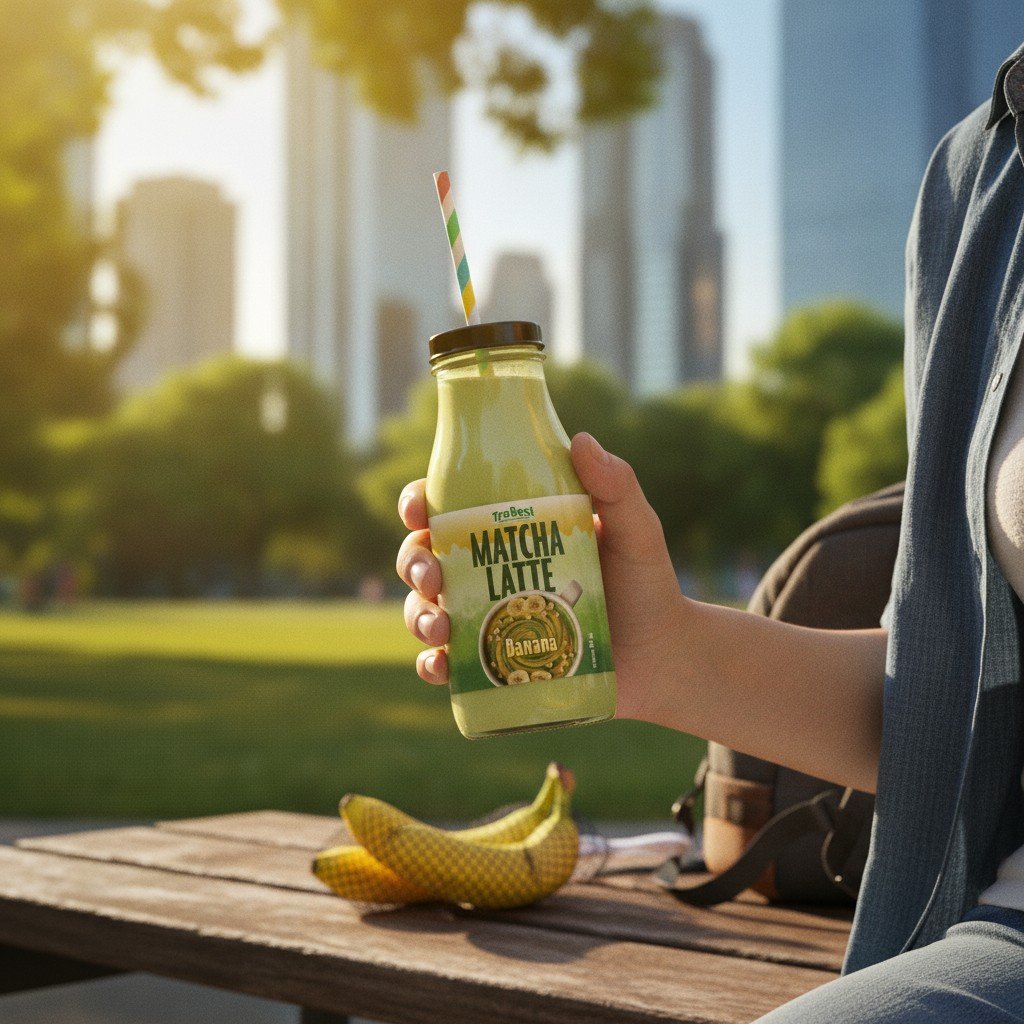
The US remains the largest importer of RTD beverages, with specialty coffee and tea segments expanding rapidly. American consumers are increasingly seeking portable, premium options that fit busy lifestyles. The 280ml glass bottle is particularly well-suited for this market: it offers on-the-go convenience while signaling quality through its amber glass packaging, which protects flavor integrity. Distributors targeting convenience store chains, hotel minibars, and upscale grocery retailers (e.g., Whole Foods, Wegmans) can position this product as a café-style experience in a bottle.
Moreover, the US has a growing base of consumers interested in East Asian flavors, driven by cultural food trends and social media exposure. The Ready To Drink Banana Matcha Latte fits perfectly into this narrative. Importers can leverage its ‘fusion’ appeal to attract Millennial and Gen Z shoppers who prioritize novelty and authenticity. Private label programs allow retailers to create their own branded version, further strengthening market penetration.
European Consumer Preferences and Retail Dynamics
In Europe, sustainability and natural ingredients are top priorities. Glass packaging is preferred over plastic by a significant portion of eco-conscious shoppers. The 280ml amber glass bottle not only aligns with these values but also enhances shelf visibility in specialty stores and organic supermarkets. Countries like Sweden, Denmark, and Switzerland show particularly high demand for premium RTD lattes with clean ingredient lists.
The banana matcha latte also caters to the ‘indulgent convenience’ trend—consumers want a treat that feels special but requires no preparation. This makes it ideal for foodservice partners in coffee shops, airports, and corporate cafeterias. For European distributors, the product’s halal and organic certification options (available from manufacturers like Trobest) open doors to diverse distribution channels, including halal-conscious markets in the UK and France.
Supply Chain Advantages and Manufacturing Partnerships
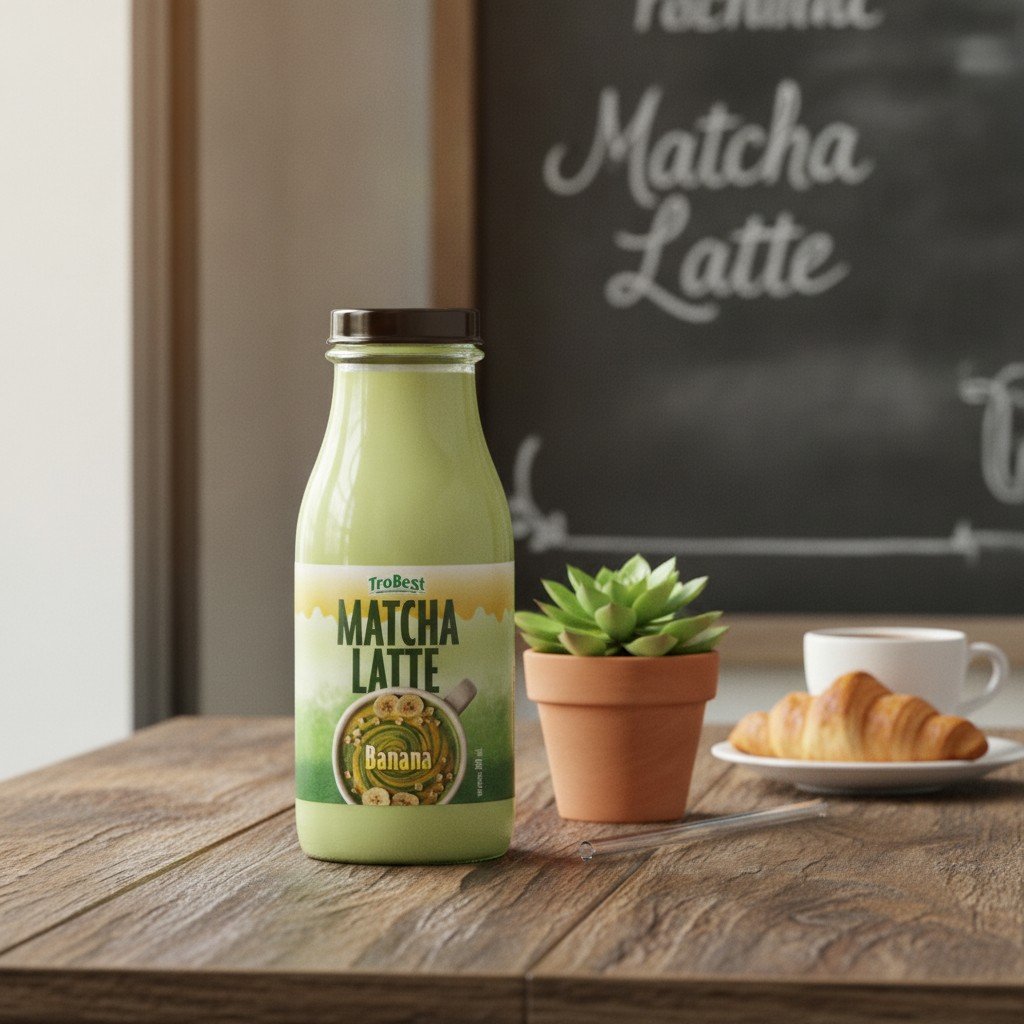
To successfully launch a product like the Ready To Drink Banana Matcha Latte, importers must partner with a reliable manufacturer. Companies like Trobest (a leading Vietnamese beverage producer) offer comprehensive OEM/ODM services, including custom flavor profiles, label design, and flexible MOQs. With 50 production lines and a monthly capacity of ~1,200 containers, they ensure consistent supply for bulk orders. Their factories hold HACCP, HALAL, ISO, GMP, FSSC, USDA Organic, and EU Organic certifications, meeting the stringent requirements of both US and European import regulations.
One critical factor for buyers is the shelf life and logistics. The product’s glass bottle format requires careful handling, but the amber tint protects light-sensitive matcha compounds. Typical shelf life for RTD matcha lattes ranges from 9 to 12 months in ambient conditions, making them suitable for long-distance shipping from Vietnam to US and European ports. Additionally, the twist-off cap design facilitates easy consumption while maintaining seal integrity.
Customization and Private Label Opportunities
For distributors looking to differentiate, private label production offers a clear path. Trobest provides end-to-end support—from concept development to final product. Buyers can adjust sweetness levels, banana-to-matcha ratio, and even explore organic variants. The 280ml glass bottle can be customized with brand logos, nutritional panels, and multilingual labeling. This flexibility is especially valuable for retailers in the US and Europe who want to launch exclusive SKUs without heavy upfront investment in R&D.
Moreover, the product aligns with two high-demand trends: ‘unique fruit-tea mashups’ and ‘premium RTD lattes.’ By incorporating the Ready To Drink Banana Matcha Latte into a wholesale portfolio, importers can expand their category offering and respond to evolving consumer tastes. For foodservice chains, having a proprietary beverage can enhance brand loyalty and margin.
Pricing and Wholesale Considerations
The cost structure for glass-bottled RTD beverages typically includes higher per-unit packaging expense compared to PET or cans. However, the premium positioning allows for a higher retail price point, often 20–30% above standard RTD teas. In the US, a 280ml glass bottle of specialty latte can retail between $3.50 and $5.50, while in Europe €3.00 to €4.50 is common. Wholesale prices depend on volume, customization level, and incoterms. Buyers ordering container loads (20–40 ft) from manufacturers like Trobest can expect competitive FOB pricing, especially when combining multiple SKUs.
Importers should also account for tariffs and import duties. Under USMCA, imports from Vietnam to the US face standard duty rates (around 6% for non-alcoholic beverages), while European Union imports attract tariffs that vary by country (typically 5–12%). Working with a supplier that provides full documentation—including certificates of origin, phytosanitary certificates, and test reports—ensures smooth customs clearance.
Marketing the Banana Matcha Latte to Retail and Foodservice
To drive sell-through, distributors should position the product as a ‘premium everyday treat.’ Visual storytelling is key: the vibrant green-matcha swirl against creamy banana suggests natural freshness. In-store sampling in upscale grocery chains can convert curious shoppers. Digital marketing campaigns focusing on ‘Ready To Drink Banana Matcha Latte‘ as a ‘café-quality alternative’ resonate well on Instagram and TikTok.
For foodservice, the product can be marketed to hotel minibars, office coffee machines, and airline lounges. The 280ml size is ideal for single-serve convenience. Bulk packaging options (e.g., 12-bottle trays) simplify restocking. Partnerships with matcha influencers or lifestyle bloggers can amplify reach without making health claims. Instead, focus on flavor experience, sourcing transparency, and packaging aesthetics.
Conclusion: Capitalizing on a Niche with Mass Potential
The Ready To Drink Banana Matcha Latte 280ml Glass Bottle represents a timely opportunity for beverage importers and distributors targeting the US and European markets. Its fusion of trending ingredients, premium packaging, and supply chain readiness make it a strong candidate for private label and wholesale programs. By aligning with a certified manufacturer like Trobest, B2B buyers can reduce time-to-market and leverage proven production expertise. As consumer demand for distinctive, on-the-go beverages continues to grow, this SKU offers a tangible path to differentiation.
For more information on product specifications, sampling, and volume pricing, visit the official product page: Ready To Drink Banana Matcha Latte. Explore related categories such as coffee drinks and milk series for complementary offerings.
Frequently Asked Questions
What is the shelf life of a Ready To Drink Banana Matcha Latte?
Typically 9–12 months when stored in ambient conditions away from direct sunlight. The amber glass bottle helps preserve the matcha flavor.
What are the minimum order quantities (MOQ) for private label production?
MOQ varies by manufacturer. Trobest offers flexible options, often starting at one pallet (around 1,200 bottles) for initial trial orders, with larger volume discounts.
Can I customize the sweetness level or banana-to-matcha ratio?
Yes. As part of OEM/ODM services, manufacturers can adjust the flavor profile, sweetness, and even add organic certification to meet your market requirements.
Is this product suitable for halal or organic markets?
Absolutely. Trobest holds HALAL, USDA Organic, and EU Organic certifications, making the drink suitable for halal and organic distribution channels.
How is the product shipped to the US or Europe?
Glass bottles are packed in sturdy cardboard trays with dividers and shrink-wrapped pallets. Standard shipping via 20- or 40-foot containers from Vietnam to major ports (Los Angeles, Rotterdam) takes 25–35 days.
