
Blog
NFC Passion Fruit Juice Drink — A Strategic Opportunity for US and European Beverage Importers
Jun
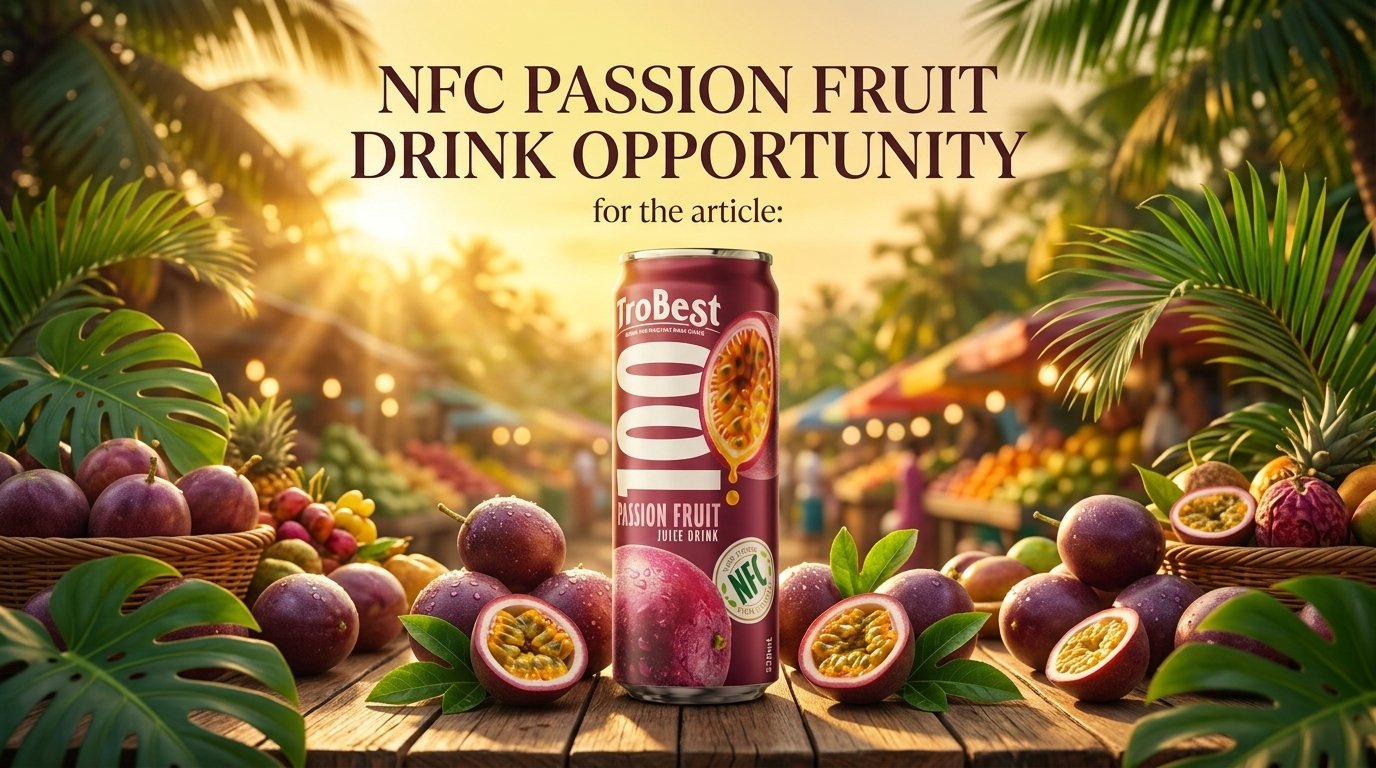
The global beverage industry is undergoing a significant shift as consumers increasingly demand authentic, minimally processed, and exotic flavors. In the United States and Europe, the trend toward clean-label, not-from-concentrate (NFC) juices has created a lucrative opportunity for importers and distributors. Among tropical offerings, NFC passion fruit juice drink is emerging as a standout product, combining vibrant taste with the convenience of single-serve cans. This article explores the market dynamics, supply chain considerations, and strategic advantages for B2B buyers looking to capitalize on this rising category.
Key Takeaways
- The US and European markets show strong growth in premium, no-added-sugar tropical juices driven by clean-label trends.
- NFC passion fruit juice drink meets demand for authentic flavor and convenience, making it ideal for importers and distributors.
- Successful market entry requires reliable OEM/ODM partners with certifications, scalable capacity, and flexible packaging options.
- Single-serve 320ml cans offer retail, foodservice, and vending channel opportunities in both the US and Europe.
- Bulk sourcing from Vietnam-based manufacturers provides cost advantages while meeting strict Western quality standards.
Understanding the NFC Passion Fruit Juice Market in the US and Europe
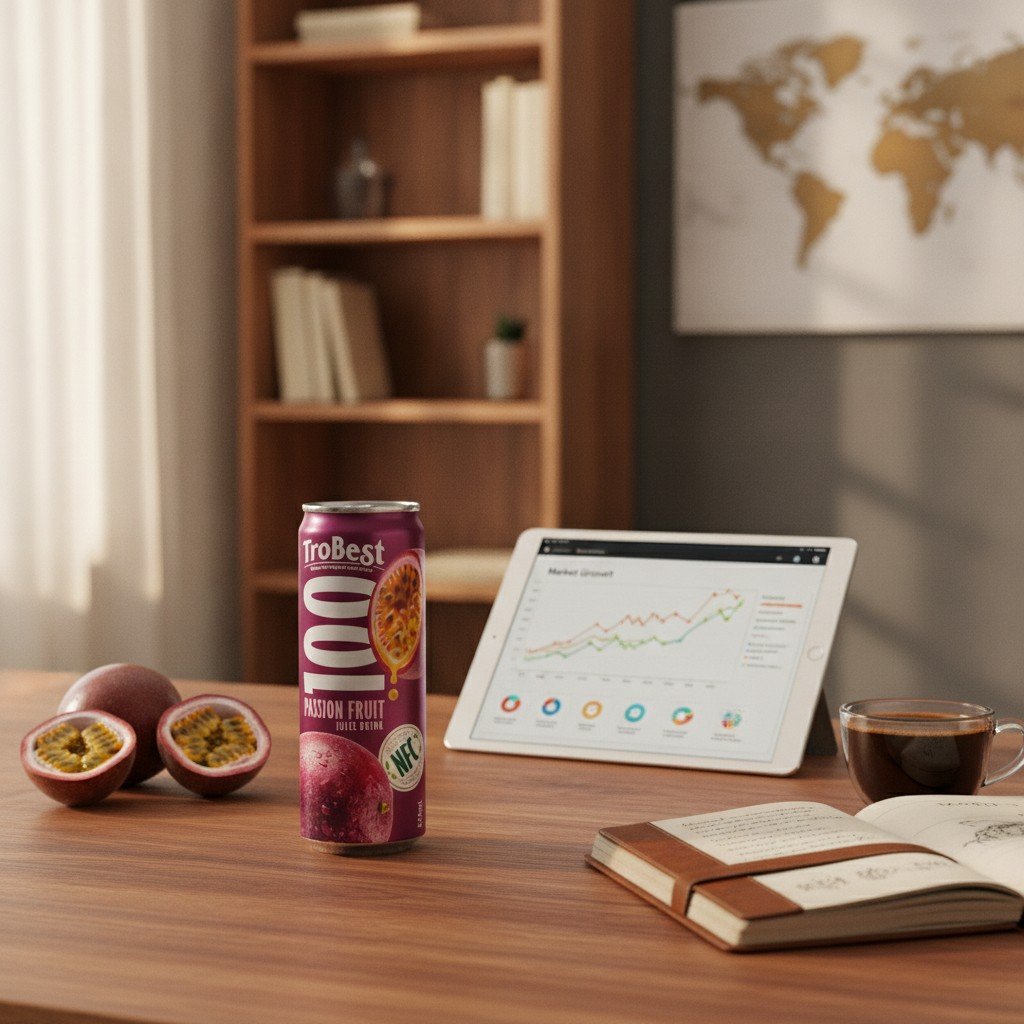
Passion fruit has long been a niche flavor in Western markets, but recent consumer behavior data indicates a sharp rise in interest. According to industry reports, the tropical juice segment in the United States grew by 8% year-over-year in 2023, with passion fruit-inspired products leading the charge. European markets, particularly the UK, Germany, and France, are also embracing exotic flavors as part of the broader “adventurous eating” trend.
The appeal of NFC passion fruit juice drink lies in its authenticity. Unlike juices made from concentrate, NFC preserves the natural aroma, color, and tangy-sweet profile of fresh fruit. This aligns with the clean-label movement, where consumers scrutinize ingredient lists for additives and artificial sweeteners. A 2023 survey in the US found that 67% of consumers are willing to pay a premium for products labeled “not from concentrate.”
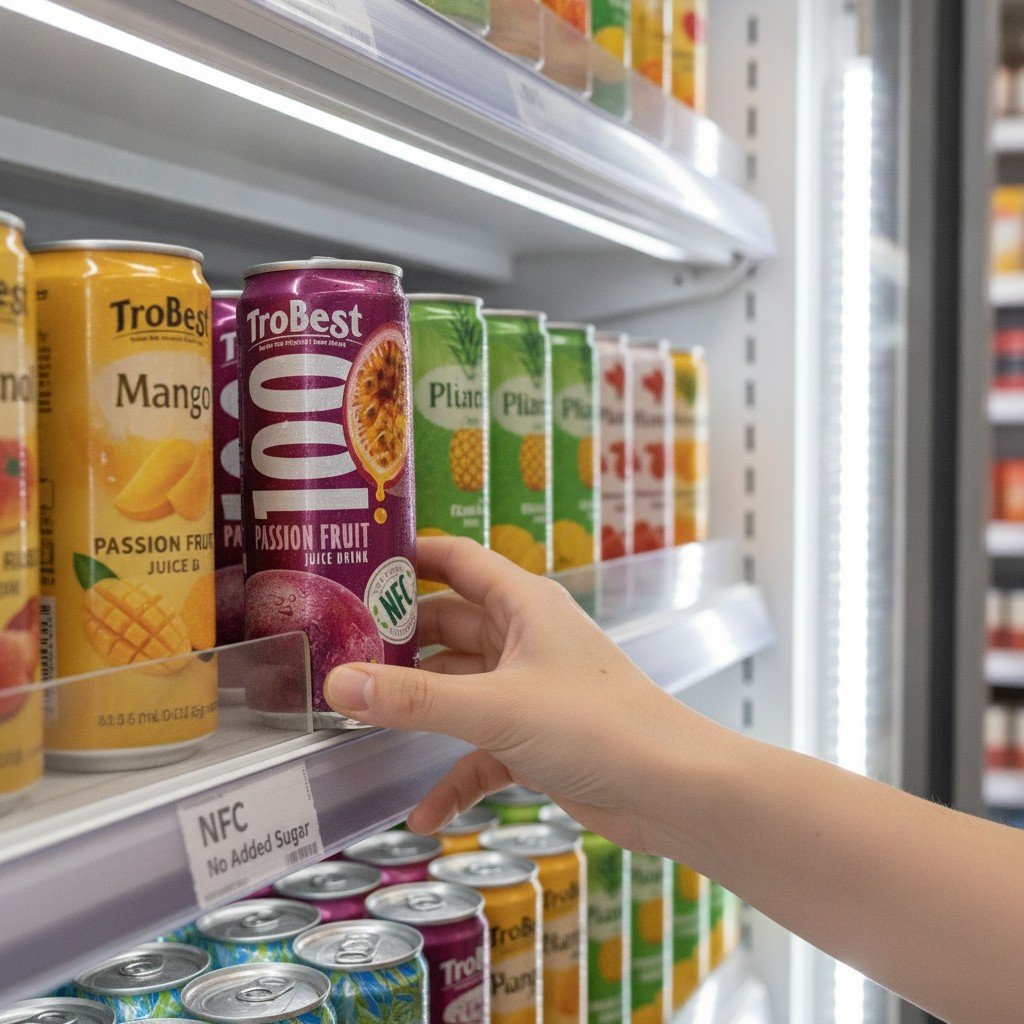
In Europe, regulatory frameworks like the EU’s clean labeling initiatives further support NFC products. German retailers, for instance, are increasingly listing “NFC” as a key selling point on shelf tags. For importers, this means a product like the 320ml can of NFC passion fruit juice drink can command higher margins while meeting retailer requirements for transparency.
Why 320ml Cans Suit US and European Distribution Channels
The 320ml aluminum can format is a strategic choice for B2B buyers targeting multiple channels. Its single-serve portion size (10.8 oz) is familiar in the US, where on-the-go consumption drives 60% of beverage sales. In Europe, smaller can sizes are popular in vending machines and grab-and-go refrigerated sections at supermarkets.
Aluminum cans also offer logistical advantages: they are lightweight, stack efficiently for pallet shipping, and have a 12-month ambient shelf life, reducing cold chain dependency. This makes bulk container shipments from Vietnam feasible without compromising product quality. For wholesalers, the ability to store at ambient temperature lowers warehousing costs compared to chilled juice varieties.
Private Label and OEM Opportunities
Many US and European buyers prefer private label or OEM arrangements to build their own brand equity. A manufacturer like Trobest offers complete OEM/ODM services, from flavor customization to final packaging. For instance, a distributor targeting health-conscious consumers could adjust sweetness levels or blend passion fruit with other tropical notes. The 320ml can be printed with custom artwork, allowing brands to differentiate on shelf.
Minimum order quantities are designed for container shipments, which aligns with bulk buying practices. With a production capacity of approximately 1,200 containers per month, manufacturers can meet large-scale orders while maintaining consistent quality. This scalability is critical for importers who need reliable supply during peak seasons, such as summer months in Europe or holiday promotions in the US.
Certifications and Compliance: Must-Have for Market Entry
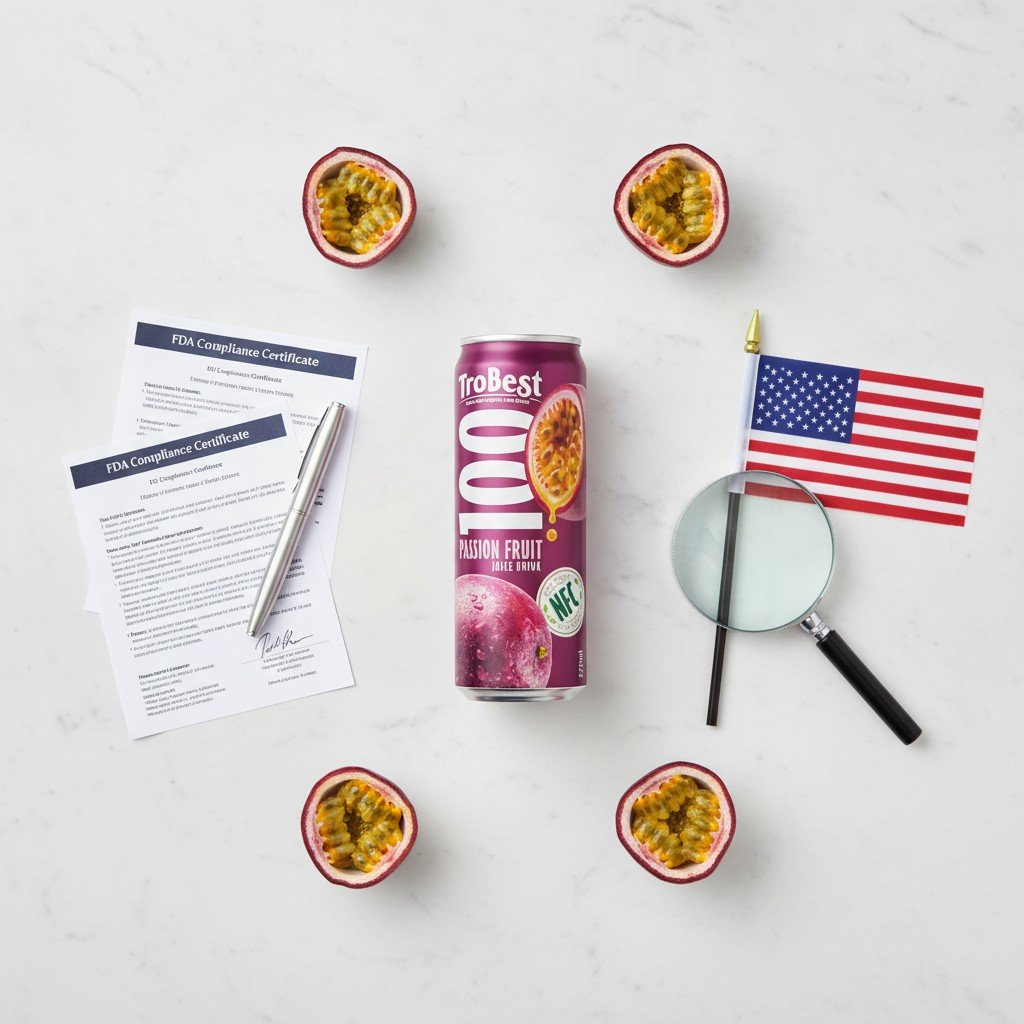
Both the US and European markets have stringent import regulations. The US Food and Drug Administration (FDA) requires compliance with the Federal Food, Drug, and Cosmetic Act, including standards for pasteurization and labeling. European Union regulations under EFSA oversee additive limits and nutritional claims. To succeed, importers must partner with producers holding international certifications such as HACCP, ISO, FSSC 22000, and HALAL.
These certifications are not just regulatory requirements—they are competitive differentiators. Retailers in Germany and the UK increasingly demand FSSC 22000 or BRC certification from suppliers. For the US, having a SMETA/BSCI audit helps meet social compliance expectations from major chain stores. A manufacturer with a proven track record of passing these audits reduces risk for buyers and accelerates shelf placement.
Additionally, the product must be free from any health claims. Instead, the marketing focus should be on flavor experience, ingredient simplicity, and environmental considerations. For example, highlighting that the drink contains no added sugar or artificial colors resonates with modern consumers without crossing regulatory lines.
Sourcing from Vietnam: Cost and Quality Advantages
Vietnam has solidified its position as a leading exporter of tropical juices, thanks to abundant fruit supply and advanced processing technology. Passion fruit is grown extensively in the Central Highlands, where the climate yields fruit with intense flavor and high pulp content. By manufacturing NFC juice at source, producers avoid the need for long-distance raw material transport, lowering costs while preserving freshness.
For US and European importers, the landed cost of NFC passion fruit juice from Vietnam is competitive compared to similar products from South America. With flexible lead times and the ability to handle large container volumes, manufacturers like Trobest (a sister company of the well-established Rita Food & Drink Co., Ltd) offer a reliable supply chain. The company operates over 50 production lines and exports to 200+ countries, making it a mature partner for global distributors.
When evaluating suppliers, B2B buyers should request samples to verify consistency in brix, acidity, and color. A reputable manufacturer will provide batch-to-batch analysis and allow third-party audits. The 320ml can format has been optimized for high-speed filling, ensuring minimal variation across millions of units—a critical factor for brand consistency in private label programs.
Market Trends Driving Demand for NFC Passion Fruit Juice
Several macro trends support the growth of this product. First, the “better-for-you” movement continues to steer consumers away from sugary sodas toward fruit-based alternatives. Passion fruit’s naturally sweet-tart profile allows for lower sugar formulations without artificial sweeteners. Second, the rise of global cuisine—from Vietnamese iced coffee to Thai-inspired dishes—has familiarized Western palates with passion fruit.
In the US, passion fruit appeared on 12% more restaurant menus in 2024 compared to the previous year, according to menu trend analysts. In Europe, it is increasingly featured in ready-to-drink cocktails and sparkling water blends. The 320ml can is a versatile vehicle: it can be sold as a standalone beverage, mixed into smoothies, or used as a cocktail base.
For importers and distributors, this means the product can be marketed across multiple segments—retail, foodservice, and even hospitality. Hotels and airlines are also seeking premium canned juices for their minibars and in-flight services, providing an additional channel with higher profit margins.
Challenges and Considerations for B2B Buyers
While the opportunity is substantial, importers must navigate certain challenges. One key issue is seasonal availability: passion fruit harvests in Vietnam peak from March to June, with a secondary season in October. Buyers should plan inventory accordingly to avoid shortages. Another consideration is tariff classification. The HS code for NFC fruit juice (2009.89) may have different duty rates depending on origin and destination. Working with a customs broker familiar with US and EU tariff schedules is advisable.
Payment terms and logistics also require careful negotiation. Most Vietnamese manufacturers require letters of credit (L/C) for first-time orders, though established relationships may allow for open account terms. Ocean freight from Ho Chi Minh City to Los Angeles or Rotterdam typically takes 20–30 days. For chilled or frozen products, reefer containers are needed, but the NFC passion fruit juice drink is shelf-stable at ambient temperatures, simplifying shipping considerably.
Finally, private label partnerships demand strong communication between the buyer’s marketing team and the manufacturer’s R&D department. Trobest’s OEM/ODM services include support for label design, nutritional information formatting, and regulatory document preparation. This reduces the burden on importers and accelerates time-to-market.
Frequently Asked Questions
What makes NFC passion fruit juice different from concentrate?
NFC (Not From Concentrate) juice is pressed directly from fresh fruit and pasteurized without reducing it to concentrate. This preserves the natural flavor, aroma, and color, resulting in a premium product that tastes closer to freshly squeezed juice. Concentrate-based juices are reconstituted with water and often lose some volatile compounds during processing.
What are typical minimum order quantities for bulk NFC passion fruit juice in 320ml cans?
Minimum order quantities are usually based on a full container load (20- or 40-foot containers). For 320ml cans, a 20-foot container typically holds about 1,500–2,000 cartons, depending on packaging configuration. Manufacturers like Trobest can provide exact volumes upon request and offer flexible lead times for large-scale orders.
Which certifications should I look for when sourcing passion fruit juice from Vietnam?
Key certifications include HACCP, ISO 22000, FSSC 22000, HALAL, and BRC for food safety. Social compliance certifications like SMETA/BSCI are also important for selling to European retailers. Many Vietnamese producers also hold organic certifications (USDA, EU Organic) if you plan to market an organic variant.
How long does the NFC passion fruit juice drink last, and does it require refrigeration?
The product has a shelf life of 12 months when stored at ambient temperature away from direct sunlight. The aluminum can and aseptic processing ensure microbial stability without refrigeration. Once opened, it should be refrigerated and consumed within 24–48 hours for best quality.
Can I customize the flavor or sweetness level for private label?
Yes, OEM/ODM manufacturers offer formulation adjustments. You can modify brix (sugar content), acidity, and even blend passion fruit with other juices such as mango, orange, or pineapple. Custom packaging design and can printing are also available to align with your brand identity.
This article is intended for business-to-business audiences and does not make any medical or health claims. The product discussed is a beverage suitable for commercial distribution.
