
Blog
Tropical Fruit Juice Drink Trends in USA and Europe Opportunities for Importers and Distributors
Jun
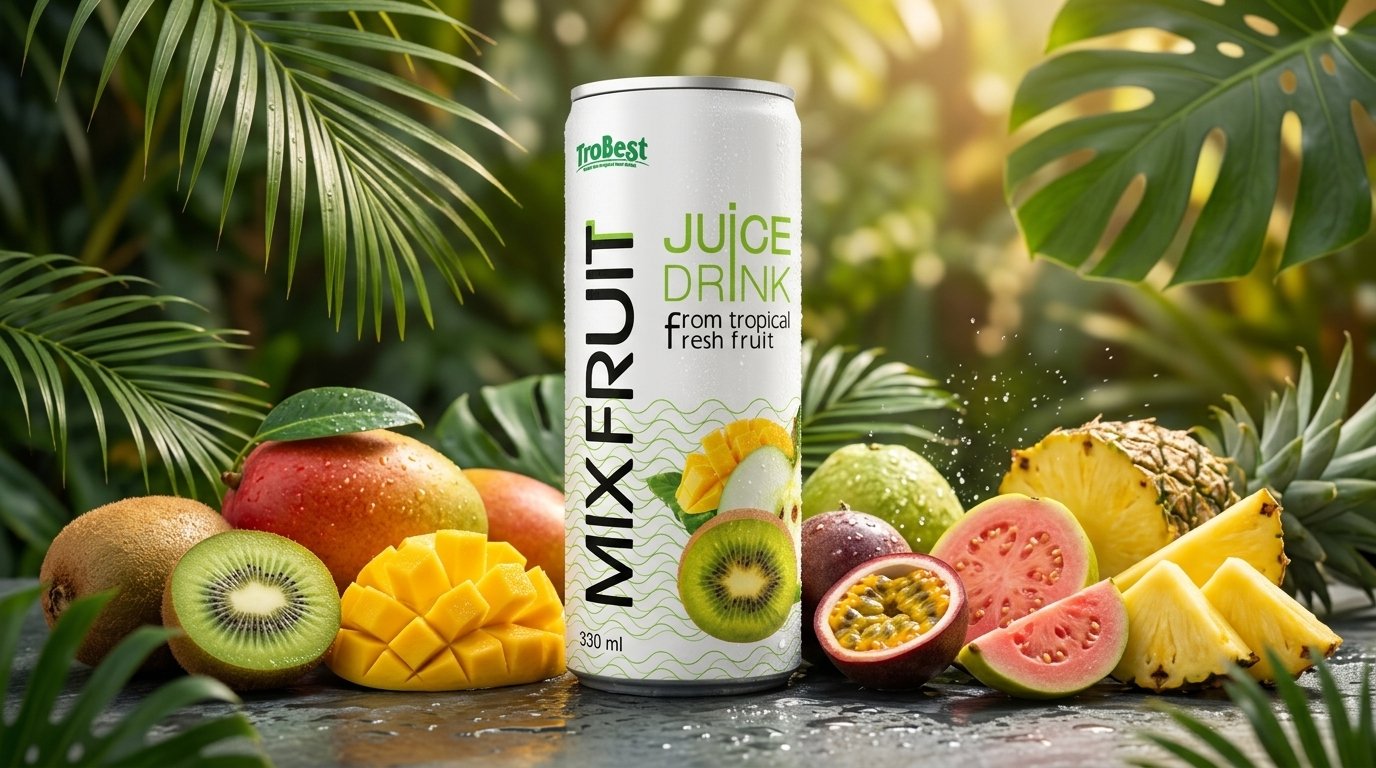
The global beverage industry is witnessing a significant shift toward exotic and natural flavors, with tropical fruit juice drink trends gaining remarkable traction in key markets such as the United States and Europe. Consumers are increasingly seeking authentic taste experiences, driving demand for products that deliver the essence of sun-ripened fruits. For importers, distributors, and wholesale buyers, understanding these dynamics is essential to capitalizing on emerging opportunities. A product like the tropical fruit juice drink trends serves as a practical example of how manufacturers are adapting to these preferences.
Key Takeaways
- The USA and Europe are among the fastest-growing markets for tropical fruit juice drink trends, driven by flavor innovation and clean-label demands.
- Importers benefit from flexible OEM/ODM partnerships that align with local taste profiles and regulatory standards.
- Sustainable packaging and transparent sourcing are critical success factors for beverage businesses in these regions.
- Vietnam-based manufacturers offer competitive pricing and high-quality production capacity, making them ideal partners for global distribution.
Why Tropical Fruit Juice Is Reshaping the USA Beverage Market
The United States beverage market has evolved rapidly over the past decade, with shelf-stable juice drinks, sparkling juices, and blends containing tropical flavors experiencing double-digit growth. According to industry reports, the fruit and vegetable juice category is projected to expand at a CAGR of 4.5% through 2030, with tropical varieties leading the charge. Consumers aged 25–45, in particular, are gravitating toward non-carbonated, convenient options that offer a taste of vacation.
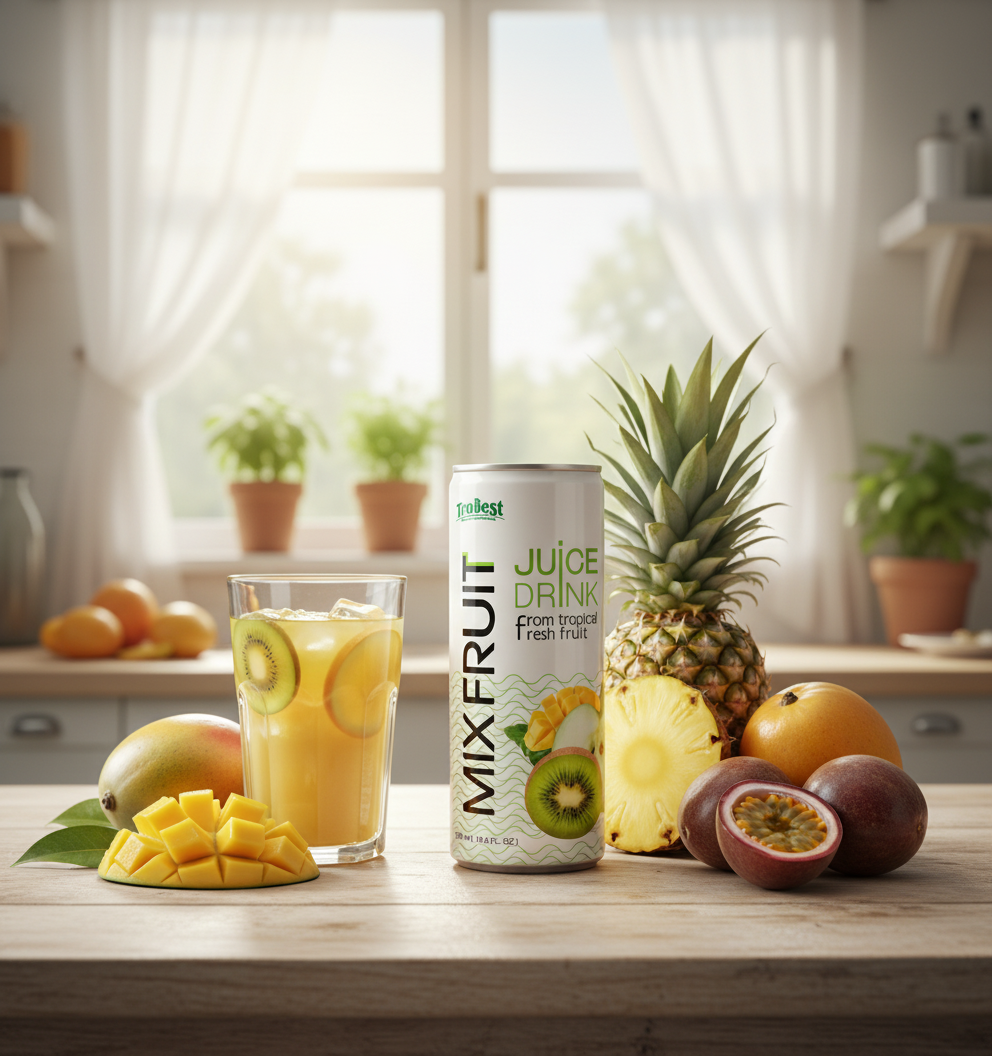
One key driver is the rise of multicultural palates. As the US population diversifies, flavors like mango, guava, passion fruit, and pineapple have moved from niche to mainstream. Importers seeking to introduce new SKUs should consider blends that combine multiple tropical fruits, as they provide a unique selling proposition compared to single-fruit offerings. The 320ml single-serve format, for instance, is ideal for on-the-go consumption and fits well in convenience stores, supermarkets, and foodservice channels. Additionally, brands that emphasize natural ingredients without added sugars or artificial preservatives tend to perform better among health-conscious shoppers.
Opportunities for Distributors and Wholesalers in the USA
For businesses involved in beverage distribution, partnering with a reliable manufacturer that offers both standard and private label options is a strategic advantage. Vietnam has emerged as a major hub for tropical juice production, thanks to its abundant fruit supply and modern processing facilities. A typical tropical fruit juice wholesale arrangement allows importers to customize sweetness, viscosity, and packaging, ensuring the final product resonates with local tastes. The ability to adapt quickly to seasonal promotions or regional festivals can further boost sales velocity.
The European Appetite for Exotic Juice Drinks
Europe represents another high-potential market for tropical fruit juice drink trends. Countries like Germany, the UK, France, and the Netherlands have long been consumers of fruit juices, but the trend is shifting toward blends that offer complexity and authenticity. European shoppers are also heavily influenced by sustainability and carbon footprint concerns. Hence, beverages sourced from countries with strong agricultural practices and transparent supply chains gain favor.
The 320ml mix tropical fruit juice drink aligns well with European portion preferences—smaller, more premium packaging often commands higher margins. Moreover, the single-serve format reduces waste, which appeals to eco-conscious consumers. When entering this market, importers should ensure compliance with EU regulations on fruit juice content, labeling, and additives. Manufacturers that hold certifications such as HACCP, ISO, FSSC, and organic certification can significantly ease the import process.
Customizing Tropical Blends for European Palates
European consumers tend to prefer less sweetness compared to their American counterparts. Therefore, adjusting the brix level and selecting fruit varieties with a balanced tartness—like passion fruit or guava—can enhance acceptability. A product developer or OEM partner can create formulations that highlight the natural sourness of tropical fruits while maintaining a clean ingredient list. This approach not only meets regulatory thresholds but also aligns with the clean-label movement dominating retail shelves from Madrid to Berlin.
How OEM and ODM Partnerships Facilitate Market Entry
For many importers, launching a proprietary tropical beverage brand under their own label is a profitable strategy. Working with an experienced manufacturer that provides OEM/ODM services eliminates the need for heavy upfront investment in production lines. The company behind the 320ml mix tropical fruit juice drink, for example, offers custom formulation, packaging design, and flexible minimum order quantities. This flexibility is crucial for testing new markets without risking excessive inventory.
Key considerations when selecting an OEM partner include production capacity, quality certifications, and track record in exporting to regulated markets. Vietnam-based facilities often operate 50 lines with a capacity of around 1,200 containers per month, ensuring consistent supply even during peak seasons. Furthermore, many manufacturers now offer aseptic packaging, aluminum cans, PET bottles, and paper boxes, allowing importers to choose the format best suited to their target distribution channel—be it retail, foodservice, or vending.
Supply Chain Advantages and Production Capabilities
Reliability is paramount in the beverage industry. A disruption in supply can damage retailer relationships and brand trust. Manufacturers in Vietnam source tropical fruits from local farms, ensuring a stable raw material pipeline. The 320ml mix tropical fruit juice drink typically has a shelf life of 12–18 months when packed in aseptic cartons or cans, giving importers ample time for logistics and warehousing. Additionally, the ability to produce private labels with custom graphics enables brands to differentiate themselves in crowded supermarket aisles.
Quality Certifications That Matter for Global Buyers
When evaluating suppliers, international buyers prioritize certifications. A reputable manufacturer will hold HACCP, HALAL, ISO, GMP, FSSC, and often organic or BSCI/SMETA credentials. These certifications not only streamline customs clearance but also serve as marketing assets. Distributors can highlight these standards in their sales collateral to reassure downstream buyers about product safety and ethical sourcing.
Future Outlook and Strategic Recommendations
The trajectory for tropical fruit juice drink trends in the USA and Europe remains positive, with continued innovation in flavor combinations and packaging formats expected. Importers should monitor shifts in consumer preferences toward low-sugar and functional offerings, while staying compliant with evolving regulations. Establishing long-term partnerships with manufacturers that offer both standard and custom solutions will be key to sustaining growth. The 320ml mix tropical fruit juice drink is just one example of how a well-crafted product can capture market share in these competitive regions.
For businesses interested in exploring OEM opportunities, visiting the OEM beverage manufacturing Vietnam page provides more details on capabilities and portfolio. Additionally, reviewing the full range of tropical beverage products can help identify SKUs that complement existing lines.
Frequently Asked Questions
What are the main market trends for tropical fruit juice in the USA?
Consumers in the USA are seeking authentic exotic flavors, clean labels, and convenient single-serve packages. Blends like mango, passion fruit, and guava are popular, especially when low in added sugar and made from real fruit juice.
How can importers source tropical fruit juice from Vietnam?
Importers can work directly with Vietnamese manufacturers that offer OEM/ODM services. Companies like Trobest provide custom formulations, packaging design, and flexible MOQs while holding international certifications such as HACCP, ISO, and FSSC.
What packaging options are available for tropical juice drinks?
Common packaging includes 320ml PET bottles, aluminum cans, glass bottles, and aseptic cartons. The choice depends on target channels like retail, foodservice, or vending, as well as shelf-life requirements.
What certifications should a tropical juice supplier have for exporting to Europe?
Suppliers should hold HACCP, ISO 22000, FSSC 22000, and ideally organic certifications. For Middle East or Southeast Asia, HALAL certification is often mandatory.
How long is the shelf life of a typical 320ml mixed tropical fruit juice?
Shelf life typically ranges from 12 to 18 months, depending on packaging type and storage conditions. Aseptic cartons and cans offer longer preservation compared to PET bottles.
