Blog
Iced Coffee Coconut Milk Wholesale Driving Growth in Global RTD Coffee Market
Jun
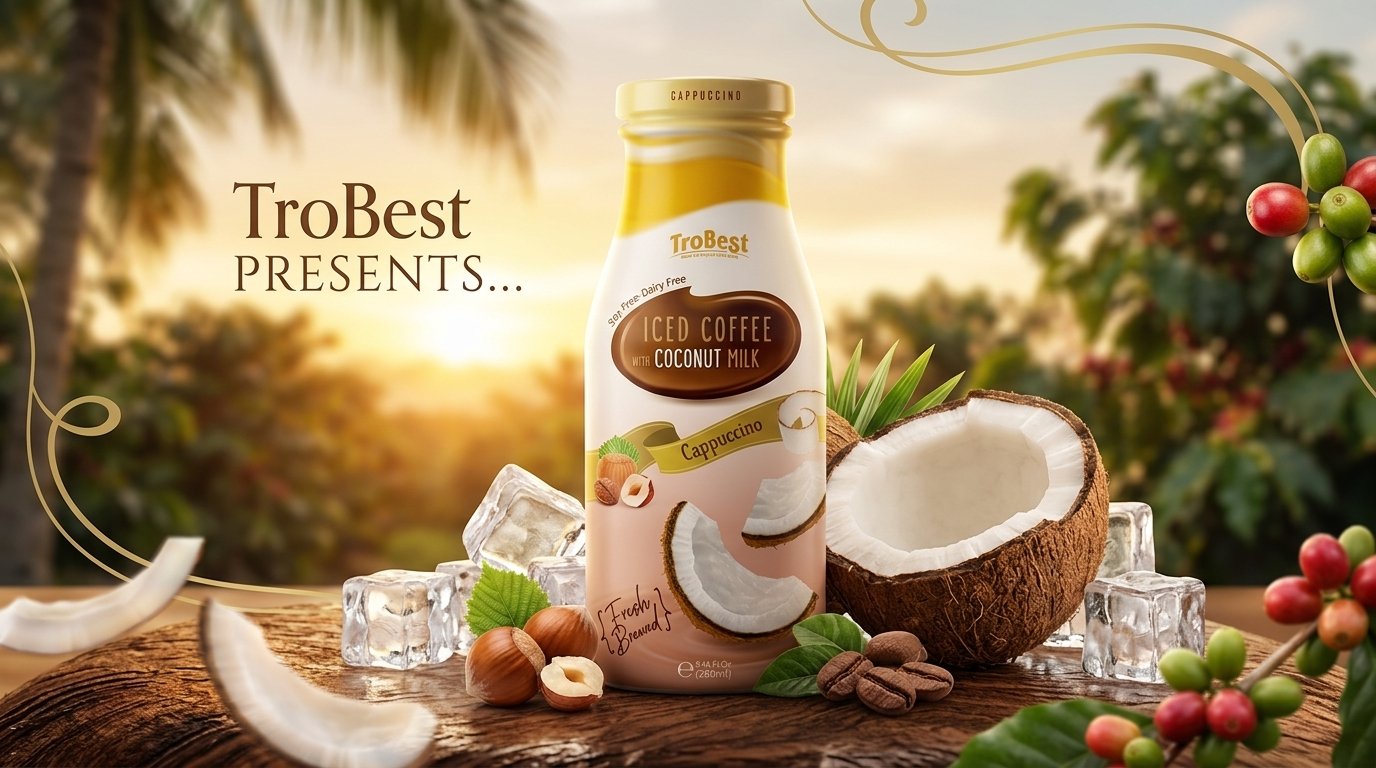
The global ready-to-drink (RTD) coffee market is undergoing a significant transformation. Consumer preferences are shifting beyond traditional black coffee and lattes toward more creative, plant-based blends. One of the most promising innovations in this space is the combination of cold brew coffee and coconut milk—a pairing that delivers a smooth, tropical twist without dairy. For importers, distributors, and F&B businesses looking to capitalize on this momentum, understanding the market dynamics behind iced coffee coconut milk wholesale is essential. This article examines the rise of this category, with a focus on the U.S. and European markets, and highlights how manufacturers like Trobest (a brand of Rita Food And Drink Co., Ltd) are positioning their 280ml Iced Coffee Coconut Milk as a strategic product for global expansion.
Key Takeaways
- The RTD coffee segment is projected to surpass $40 billion by 2028, with coconut milk-based variants gaining share rapidly.
- U.S. and European consumers increasingly seek dairy-free, indulgent coffee drinks with clean labels and authentic flavors.
- Manufacturers offering flexible OEM/ODM solutions for iced coffee coconut milk wholesale are better positioned to meet regional taste preferences.
- Vietnam’s strength in both coffee and coconut production provides a cost-effective, high-quality sourcing advantage for global buyers.
- Successful entry into these markets requires attention to packaging, shelf life, and certification requirements such as HALAL, Organic, and FSSC.
The Rise of Ready-to-Drink Coffee Blends
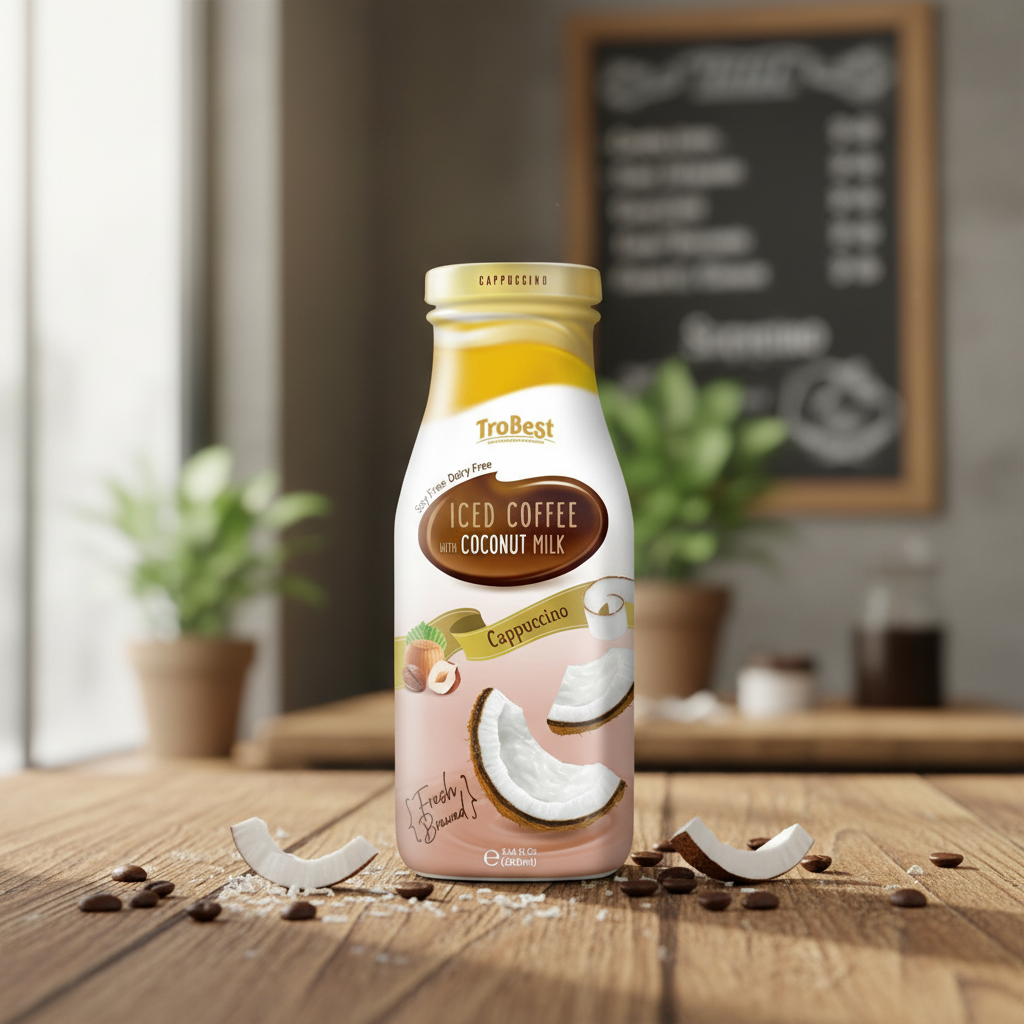
RTD coffee has evolved from a niche convenience item into a mainstream category driven by millennial and Gen Z consumption habits. According to industry reports, the global RTD coffee market was valued at around $30 billion in 2023 and is expected to grow at a compound annual growth rate (CAGR) of over 7% through 2030. Within this market, flavored and plant-based variants are outperforming standard offerings. Coconut milk, in particular, has emerged as a preferred base due to its natural sweetness and creamy texture that complement coffee without overpowering it. This trend is not limited to single-origin or specialty coffee—it resonates across mass-market and premium segments alike.
The product fits neatly into three overlapping consumer demands: convenience, plant-based ingredients, and novel flavor experiences. Unlike almond or oat milk, coconut milk offers a distinct tropical profile that can differentiate a brand’s portfolio. Additionally, the 280ml can size—as seen in Trobest’s offering—provides a single-serve portion that is ideal for on-the-go consumption, a key driver in RTD growth.
Why Coconut Milk and Coffee Are a Winning Combination
The pairing of coffee and coconut milk is not entirely new, but its packaged, shelf-stable format is gaining momentum. From a product development perspective, coconut milk’s fat content helps stabilize the emulsion, resulting in a smooth mouthfeel that reduces the bitterness often associated with canned coffee. This makes the beverage accessible to consumers who may find black coffee too intense or dairy-based lattes too heavy. Furthermore, coconut milk is naturally lactose-free and vegan, aligning with broader dietary shifts in both the U.S. and Europe.
For F&B businesses, offering a coconut milk coffee drink can help capture the growing flexitarian and plant-based consumer base without alienating traditional coffee lovers. The flavor profile is versatile enough to be marketed as a refreshment, a morning pick-me-up, or an afternoon treat. Products like the 280ml Iced Coffee Coconut Milk from Trobest already demonstrate how packaging (PET bottles, cans, or paper boxes) can be customized to meet retailer and shelf requirements, making wholesale ordering more adaptable.
Market Opportunity in the United States
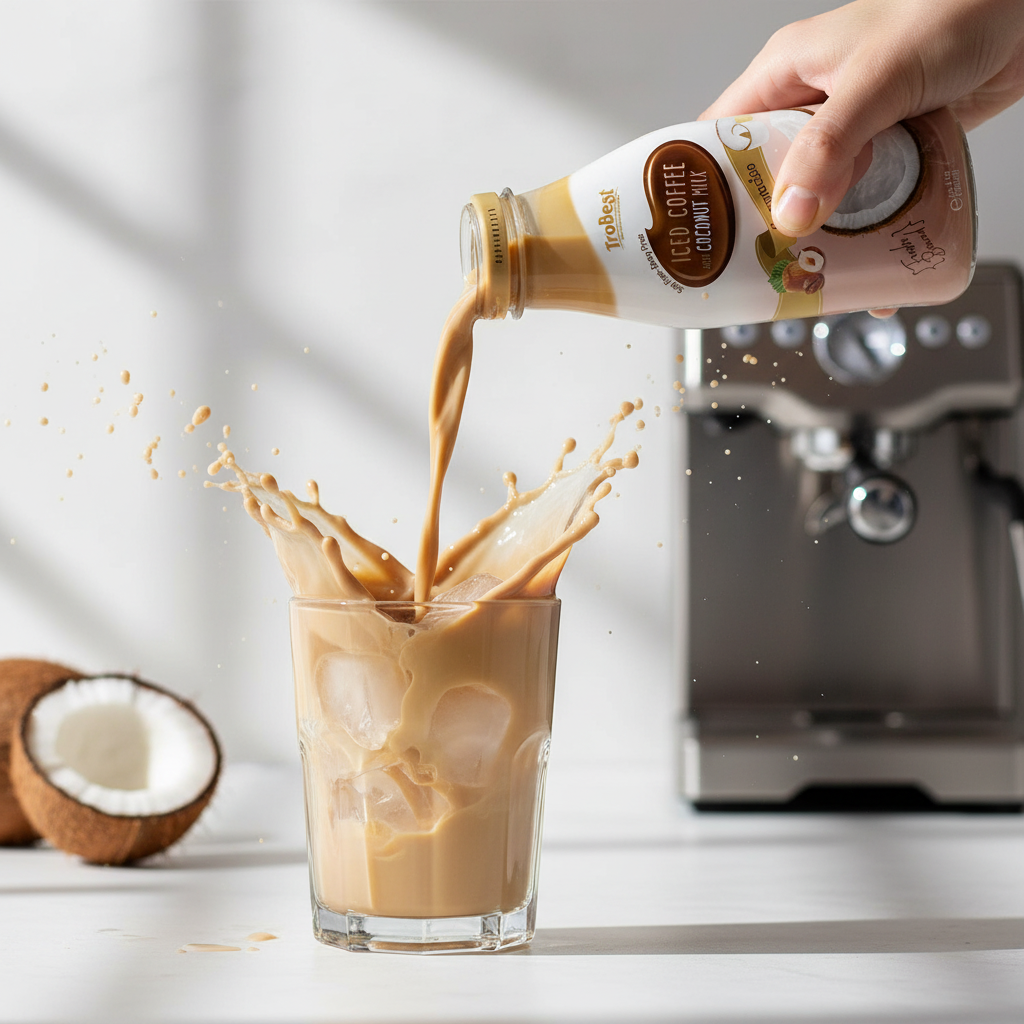
The United States is the largest RTD coffee market globally, with sales exceeding $10 billion annually. American consumers have shown a strong appetite for cold brew and iced coffee, especially in ready-to-drink formats. According to the National Coffee Association, over 45% of U.S. adults drink cold coffee, and the share is rising. Within this segment, flavored, plant-based, and low-sugar options are preferred. Coconut milk coffee drinks have carved out a loyal following, particularly among younger consumers who prioritize both taste and ingredient transparency.
One of the key opportunities for iced coffee coconut milk wholesale in the U.S. lies in the convenience store and grocery cold chain. Many retailers are expanding their refrigerated functional beverage sections, and a shelf-stable 280ml can that can be served chilled or over ice fits multiple merchandising strategies. Moreover, U.S. importers are increasingly sourcing from Vietnam due to competitive pricing and reliable quality. Trobest’s certifications—HACCP, HALAL, ISO, FSSC—meet the strict food safety requirements of U.S. retailers. The company’s ability to produce up to 1,200 containers per month ensures supply stability for large-scale distribution.
Another factor driving interest is the clean label movement. U.S. consumers are scrutinizing ingredient lists. The 280ml Iced Coffee Coconut Milk product, with its simple formulation of coffee, coconut milk, and natural flavors, aligns with this demand. Distributors can leverage this transparency when pitching to health-conscious retailers. Additionally, the product’s SKU—categorized under Coffee Drinks on Trobest’s site—fits neatly into existing beverage lineup
European Market – A Growing Appetite for Premium RTD Coffee
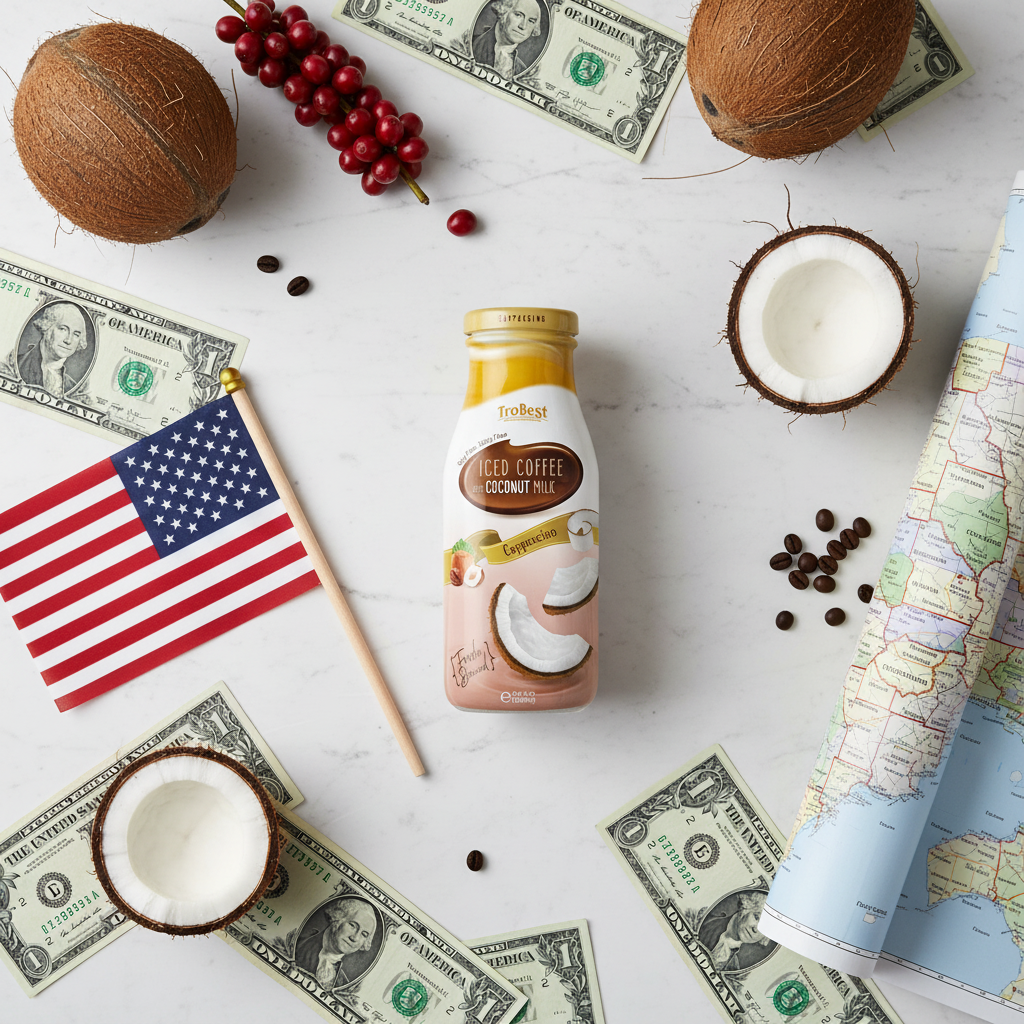
Europe represents a more fragmented but equally promising market for RTD coffee with coconut milk. Countries like Germany, the UK, France, and the Netherlands have seen double-digit growth in plant-based ready-to-drink coffee in recent years. European consumers tend to be more discerning about origin, sustainability, and packaging. They also show a preference for smaller, premium brands that offer authentic taste and ethical sourcing. This creates an opportunity for Vietnamese manufacturers that can provide traceable coffee beans and sustainably sourced coconut milk.
The 280ml format is well-suited for European vending machines, convenience stores, and e-commerce channels. One of the challenges in Europe is compliance with evolving labeling and sustainability regulations. Trobest’s certifications (including SMETA/BSCI and Organic) help alleviate concerns for importers. Furthermore, the company’s OEM/ODM services allow European brands to customize sweetness, viscosity, and even the coffee-to-coconut milk ratio, ensuring the product meets local taste preferences. For instance, Nordic consumers tend to prefer less sweet coffee, while Southern Europeans may enjoy a slightly sweeter profile.
Distributors looking to introduce iced coffee coconut milk wholesale into Europe should also consider the rise of coffee culture in countries like Poland and Italy, where canned coffee is still a relatively new category. The novelty factor, combined with the familiar flavor of coconut, can drive trial. Backed by a manufacturer with a global track record—Rita Food And Drink Co., Ltd has exported to over 200 countries—the risk for first-time importers is reduced. The product page at Trobest Coffee Drinks provides detailed specifications and contact options for wholesale inquiries.
Sourcing and Production Advantages from Vietnam
Vietnam is the world’s second-largest coffee exporter and a top producer of coconut products. This dual advantage makes the country an ideal base for coffee-coconut beverages. Manufacturers like Rita Food And Drink Co., Ltd operate 50 modern production lines with a capacity of approximately 1,200 containers per month, ensuring consistent output for global orders. The company’s commitment to international standards—including HACCP, HALAL, ISO, GMP, FSSC, and Organic—gives importers confidence in product safety and quality.
For iced coffee coconut milk wholesale buyers, the flexibility offered by OEM/ODM partnerships is a major benefit. Trobest allows clients to customize flavors, packaging formats (aluminum cans, glass bottles, PET bottles, paper boxes), and even brand identities. This means a distributor in the US could launch a private label iced coffee coconut milk brand with minimal investment in production lines. The MOQ is flexible, making it accessible for both startup beverage brands and established distributors. Additionally, the 280ml size is standard across many markets, reducing the need for bottle retooling.
What Importers and Distributors Should Look For
When evaluating iced coffee coconut milk wholesale suppliers, several factors beyond price should be considered. First, shelf life is critical in the RTD category; many coconut milk-based coffee drinks offer a 12–18 month shelf life if aseptically processed. Second, ingredient sourcing matters—buyers should confirm that both coffee and coconut milk are sustainably sourced and free from unnecessary additives. Third, logistics support: manufacturers like Trobest provide end-to-end services from formulation to shipping documentation. Finally, market insights: a supplier with experience in the target market can help fine-tune product specifications.
For businesses interested in exploring this category, visiting the Trobest product catalog can provide an overview of available beverage solutions. The company also offers detailed product profiles for each SKU, including nutritional data, ingredient lists, and packaging options. By partnering with an experienced Vietnamese manufacturer, importers can reduce time to market and focus on building their brand presence in the fast-growing RTD coffee segment.
Frequently Asked Questions
What is the typical shelf life of iced coffee coconut milk in a 280ml can?
Most aseptically processed iced coffee coconut milk products, including those from Trobest, have a shelf life of 12 to 18 months when stored in a cool, dry place. This makes them ideal for export and long-term distribution.
What certifications should I look for when sourcing iced coffee coconut milk wholesale?
Key certifications include HACCP, HALAL, ISO, FSSC, and Organic. Manufacturers like Rita Food And Drink Co., Ltd hold these certifications, ensuring compliance with international food safety and quality standards for markets like the US and Europe.
Can I customize the sweetness or coconut milk ratio for a private label brand?
Yes. Trobest offers OEM/ODM services that allow you to adjust the coffee-to-coconut milk ratio, sweetness level, and viscosity. This flexibility helps you tailor the product to local market preferences.
What is the minimum order quantity (MOQ) for iced coffee coconut milk?
The MOQ is flexible depending on the packaging format and market. Importers are encouraged to contact Trobest directly for a specific quote tailored to their volume needs.
Is the 280ml Iced Coffee Coconut Milk suitable for vegan and dairy-free diets?
Yes. The product is made with coconut milk and contains no dairy ingredients. It is naturally lactose-free and vegan-friendly, appealing to plant-based consumers in the US and Europe.
