Blog
Coconut Water With Electrolytes: Navigating Global Beverage Regulations
Aug
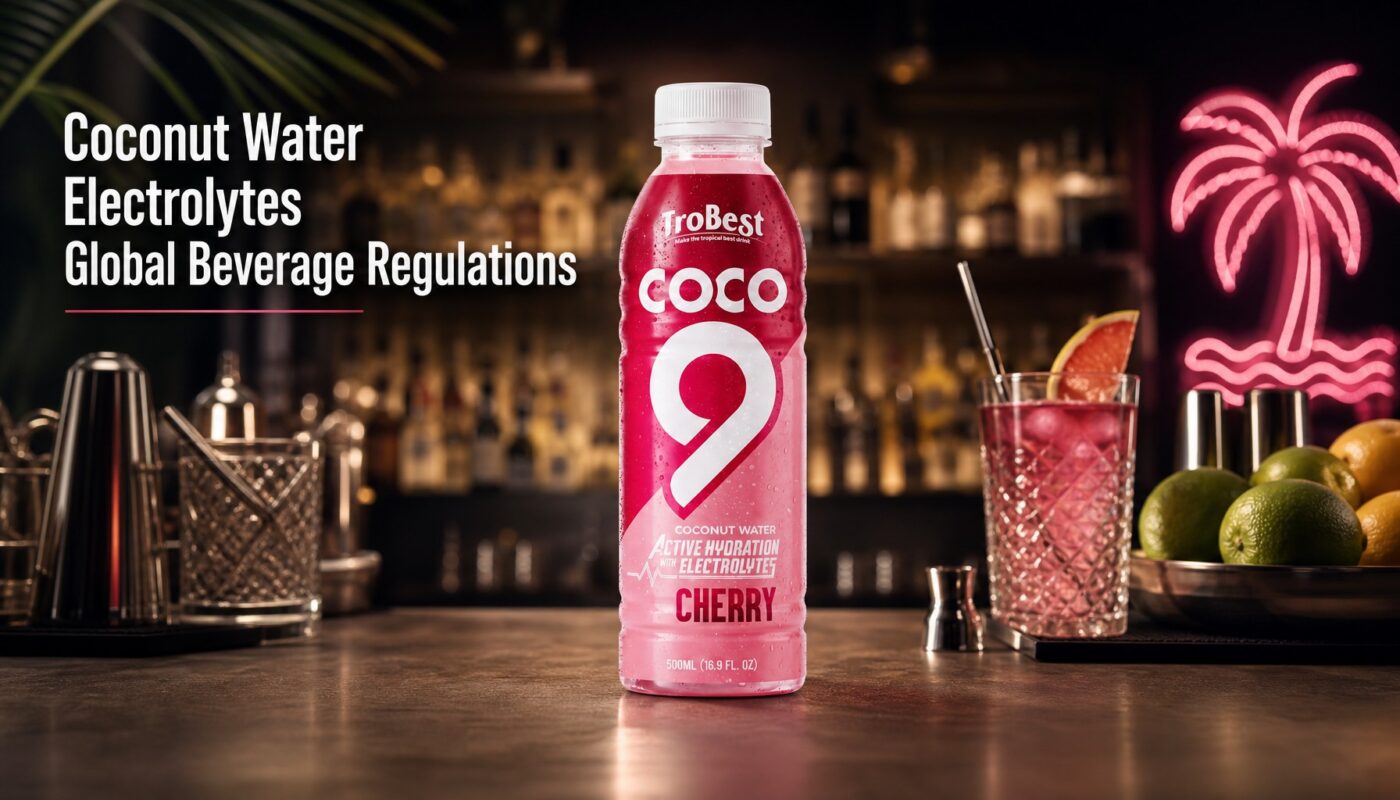
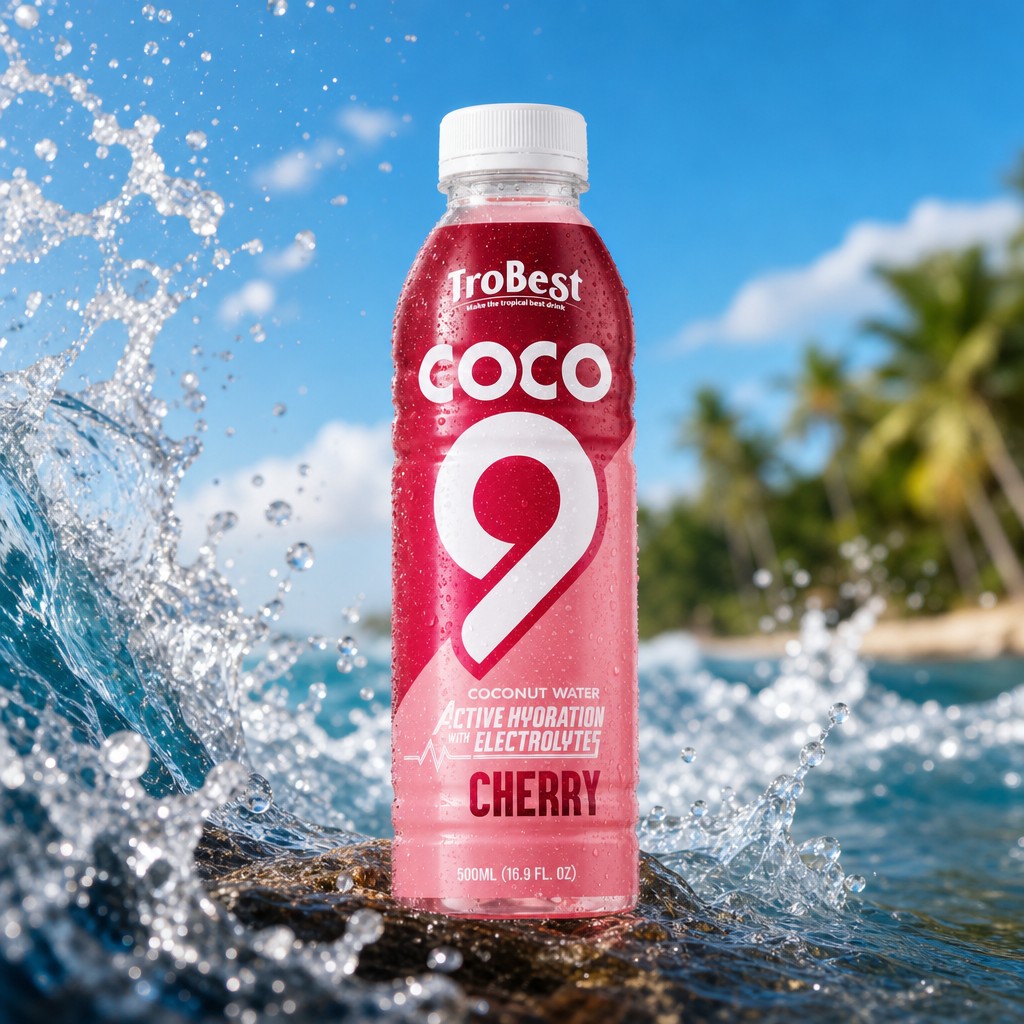
The global beverage industry is witnessing a surge in demand for coconut water with electrolytes, a product once confined to tropical markets but now a staple in sports nutrition and everyday hydration. The 16.9 fl oz Active Hydration Coconut Water with Electrolytes – Cherry Flavor, manufactured by Trobest under RITA Food & Drink Co., Ltd., represents a new wave of functional drinks entering regulatory landscapes that are evolving faster than ever. For importers, distributors, and retailers, understanding the compliance environment is not just about avoiding penalties—it is the key to unlocking cross-border trade.
Key Takeaways
- Global coconut water exports are growing, but regulatory divergence across regions creates both challenges and opportunities.
- Trade policy shifts, such as tariff pauses and delayed deposit return schemes, directly affect import economics.
- Obtaining internationally recognized certifications—FSSC 22000, HACCP, HALAL, Kosher—is a prerequisite for market entry into over 100 countries.
- OEM and ODM partnerships with certified manufacturers like Trobest streamline compliance and reduce time-to-market.
- Sustainable sourcing and traceability from coconut farms are becoming non-negotiable for regulators and consumers alike.
The Regulatory Pulse of the Hydration Beverage Market
Regulation is the silent force shaping the commercial trajectory of every beverage category. As coconut water with electrolytes gains popularity, regulators worldwide are scrutinizing its composition, labeling, and packaging claims. The product’s dual identity—both a natural fruit drink and a sports hydration beverage—places it at the intersection of multiple regulatory frameworks, from food safety standards to sports drink labeling requirements.
Recent policy developments highlight the sensitivity of trade flows. The United States’ pause on a 50% tariff on Canadian imports, announced in early 2025, signals a temporary easing of trade tensions that could ripple into the broader beverage market. Meanwhile, in the United Kingdom, independent brewers are urging the government to delay the Deposit Return Scheme (DRS), a regulation poised to impact packaging design and logistics for all bottled drinks, including coconut water. These events underscore that importers must stay agile, adapting to both tariff schedules and environmental packaging rules.
Trade Policy and Tariff Shifts
Tariffs remain the most direct regulatory lever affecting international beverage trade. A sudden tariff hike can erase the profit margins of a single-SKU shipment, while a suspension provides temporary relief. The US pause on Canadian tariffs is a case in point: it eases cost pressure for importers of Canadian-origin beverages, but the relief is fragile and subject to diplomatic negotiations. For coconut water exporters in Southeast Asia, such as Vietnam, the tariff environment with major destination markets like the EU and US is comparatively stable, yet the risk of safeguard measures on certain fruit-based beverages persists.
Packaging and Recycling Regulations
The shift toward a circular economy is transforming packaging regulations. The UK’s Deposit Return Scheme, designed to boost recycling rates, would levy additional fees on PET bottles, directly impacting the cost structure of coconut water products sold in 500 ml plastic containers. Similarly, the EU’s Single-Use Plastics Directive imposes restrictions on certain packaging types and mandates recycled content. This means a coconut water with electrolytes in a PET bottle must comply with evolving material-specific standards, not just food safety rules.
Certifications: The Passport for Coconut Water Exporters
In the regulated world of beverages, certifications are more than badges on a website—they are the passport that allows products to cross borders. For coconut water with electrolytes, the most valued credentials include FSSC 22000, BRC, HACCP, HALAL, and Kosher. Each certification addresses a distinct layer of supply chain assurance, from hazard control to religious compliance.
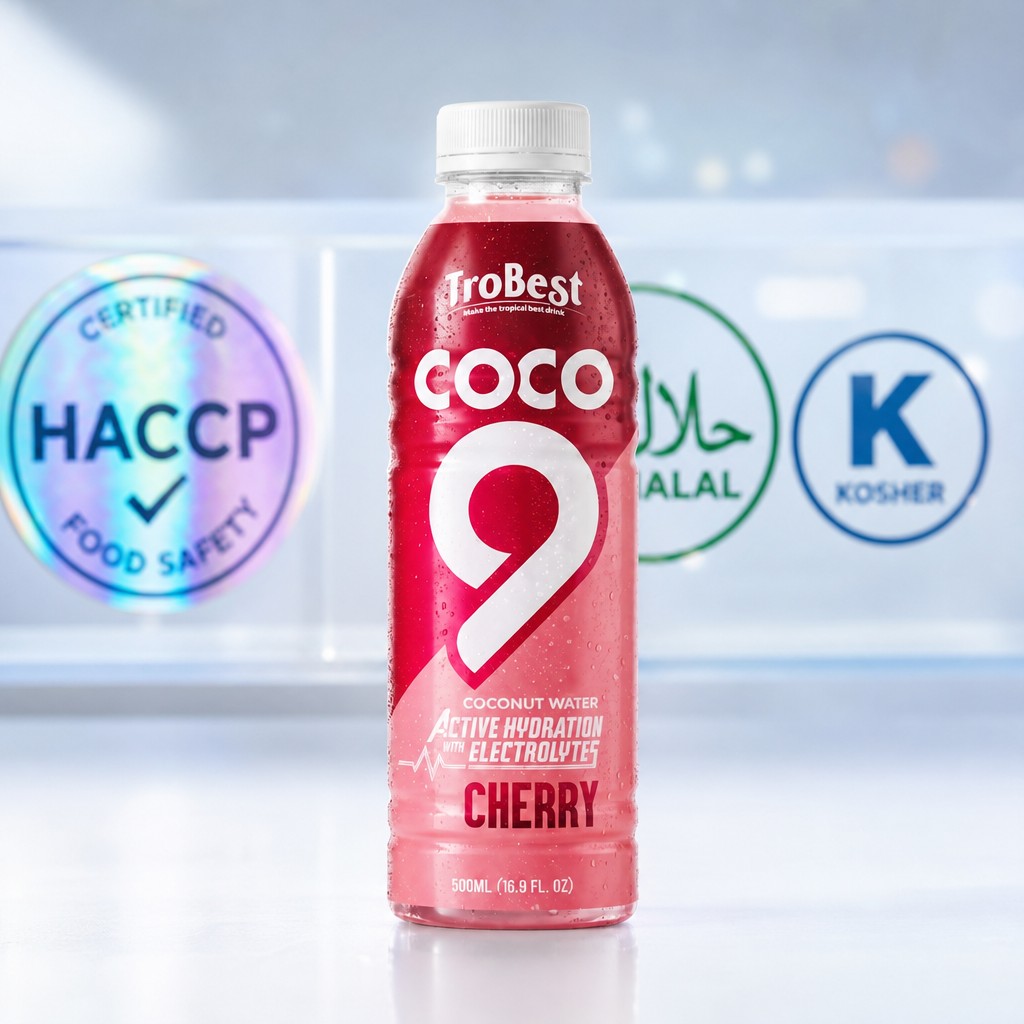
Trobest, as a premium beverage brand of RITA Food & Drink Co., Ltd., holds an impressive portfolio of certifications including HACCP, HALAL, ISO, GMP, FSSC 22000. These are not merely documents but the outcome of rigorous audits that inspect everything from source water quality to bottling hygiene. Importers who choose a certified manufacturer reduce their own due diligence burden, as the certificates serve as proxy evidence of compliance with international standards.
FSSC 22000 and Food Safety Compliance
FSSC 22000 is recognized by the Global Food Safety Initiative (GFSI) and is one of the most stringent certifications for beverage manufacturing. It covers not only production processes but also traceability and recall procedures. For coconut water products, this certification assures importers that every batch can be traced back to the coconut grove, a factor increasingly demanded by regulators in the US and EU.
Halal, Kosher, and Regional Standards
Beyond safety, religious and ethical credentials open doors to specific markets. Halal certification from Jakim or HCA-GCC is essential for export to the Middle East and parts of Southeast Asia. Kosher certification is a prerequisite for the substantial Jewish consumer market in North America and Europe. Trobest’s dual Halal and Kosher certifications make its coconut water with electrolytes an accessible option for a wide range of global religious and cultural communities.
Sourcing and Raw Material Regulations: The Farm-to-Bottle Connection
Regulators are increasingly looking beyond the factory gate to the farm. Traceability of raw materials, particularly water-intensive tropical fruit like coconut, is becoming a focal point of sustainability regulations. For coconut water, the origin and quality of the fruit directly influence the taste, consistency, and regulatory compliance of the final product. Vietnamese coconuts, grown in the Ben Tre province, are prized for their sweetness and mineral profile, and they are cultivated under conditions that meet international phytosanitary standards.
The journey from plantation to premium beverage is a story of meticulous raw material management. RITA, the parent company of Trobest, maintains a dedicated coconut farm area in Ben Tre, which is regularly audited to ensure that the coconuts used in production adhere to good agricultural practices. As part of this commitment, the company has published a detailed case study that takes readers through the entire process, from planting to harvesting, which is a valuable resource for importers assessing supply chain transparency. You can read about the Ben Tre coconut farm visit that highlights the company’s field-to-factory controls.
For a closer look at how these raw materials are verified, the following video offers a short documentary of the coconut farm’s operations:
https://www.youtube.com/watch?v=I7hlTL3FT_0
Regulatory frameworks like the EU’s Deforestation Regulation and the US Food Safety Modernization Act (FSMA) demand that importers demonstrate due diligence throughout the supply chain. Coconut water producers that can provide documentation of farm-level controls are better positioned to meet these requirements. Trobest’s vertically integrated approach, from its owned raw material areas to its export-oriented production lines, offers a practical solution for buyers seeking both compliance and consistency.
OEM and ODM: Navigating Compliance Through Manufacturing Expertise
For many global beverage distributors, entering the coconut water market is achieved not by building a factory but by partnering with an established manufacturer. OEM (Original Equipment Manufacturing) and ODM (Original Design Manufacturing) arrangements allow brands to leverage the manufacturer’s existing certifications, production capacity, and export experience. This approach is particularly advantageous in a heavily regulated sector, because the manufacturer already holds the necessary approvals and quality systems.
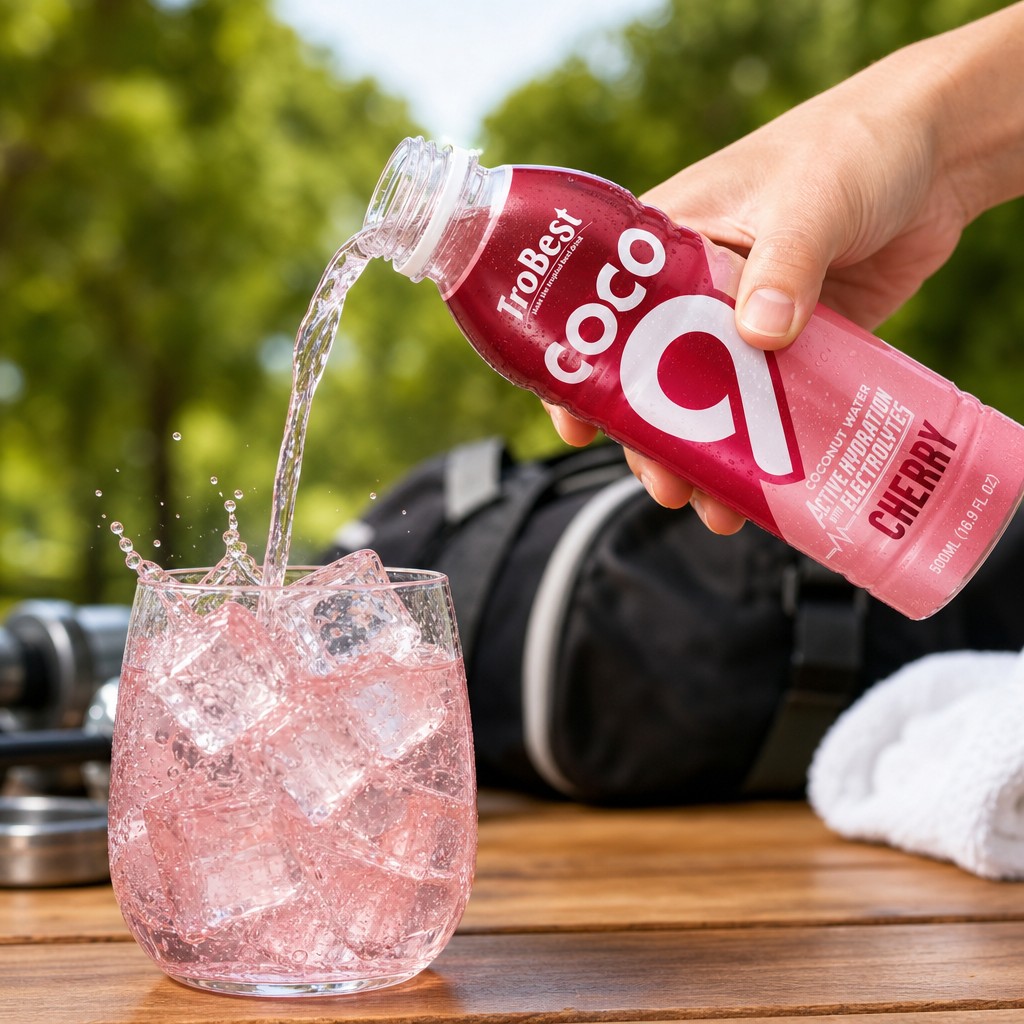
Trobest offers flexible OEM and ODM services under the umbrella of RITA Food & Drink Co., Ltd., which has been operating since 2004. The company exports to over 100 countries and territories, which means its production lines are already attuned to the labeling, packaging, and additive rules of diverse markets. By simply applying a custom label to a certified base product, such as the 16.9 fl oz cherry coconut water, a brand can bypass the costly and time-consuming process of attaining its own certification.
Another advantage of OEM/ODM is the ability to adapt flavors and packaging formats without losing regulatory continuity. Trobest’s product range includes aseptic coconut water in PET bottles, cans, and other packaging types, each requiring different compliance pathways. The factory’s portfolio of certifications—including BRC, FSSC 22000, Halal Jakim, Halal HCA-GCC, Kosher, ISO, GMP, HACCP, and SMETA—provides a readily exportable status that would take years for a new facility to replicate. For a complete overview of the certified product family, you can refer to the coconut water aseptic brands catalog on the Trobest website.
Assessing Market Opportunities and Regulatory Readiness
The regulatory landscape is not uniform across the globe. Each region imposes unique rules on maximum residue limits (MRLs) for pesticides, heavy metal concentrations, and permitted additives. For coconut water with electrolytes, the addition of electrolytes such as potassium and sodium is generally accepted, but the permissible quantities and labeling of these added minerals vary. In the EU, for example, potassium chloride must be listed with specific nutritional annotations, while the US FDA allows electrolyte claims with corresponding daily value percentages.
Global market data for coconut water is evolving, with import volumes growing steadily in the United States, Western Europe, and the Middle East. The growth is driven by a shift from sugary sports drinks toward natural hydration alternatives. Trade statistics from international databases, such as Tradesparq.com, indicate that the leading HS codes for coconut water trade are 2009.89 (fruit juices) and 2202.90 (non-alcoholic fortified beverages). Importers are advised to monitor these codes for tariff changes and trade remedies.
Market & Export Insights
Annual Trade Trend (Aug 2025 – Aug 2026)
| Year | Trade Count | Total Value (USD) | Total Weight (kg) | Total Quantity | YoY Growth |
|---|---|---|---|---|---|
| 2025 | 0 | 0 | 0 | 0 | — |
| 2026 | 1 | N/A | 20,671 | 1,977 | +100% |
Data source: Tradesparq Trade Data (tradesparq.com)
Top Origin & Destination Countries (Aug 2025 – Aug 2026)
| Type | Country | Trade Count | Purchaser Count | Total Value (USD) | Supplier Count | Total Weight (kg) | Total Quantity | Market Share | Avg Price (USD/kg) |
|---|---|---|---|---|---|---|---|---|---|
| Origin | Guatemala | 1 | 1 | 0 | 1 | 20,671 | 1,977 | 100% | N/A |
| Destination | United States | 1 | 1 | 0 | 1 | 20,671 | 1,977 | 100% | N/A |
Data source: Tradesparq Trade Data (tradesparq.com)
The product — coconut water with electrolytes and pineapple flavor — recorded zero trade activity from August 2025 through July 2026. Its first recorded shipment appeared in August 2026, with 1 transaction covering 20,671 kg and 1,977 units. Compared with 2025, this entry into international trade represents 100% year-on-year growth in trade count, weight, and quantity. Trade value was not reported for the transaction, so no average unit price can be calculated.
Guatemala is the exclusive origin market, holding 100% of the recorded trade volume with the single shipment, while the United States is the sole destination, absorbing 100% of the volume. The concentration of all activity in August 2026 points to a targeted initial launch or a one-time bulk order, suggesting the U.S. as the first target market for this flavored coconut water. Vietnam does not appear in the reported data for this product.
To help importers visualize the compliance matrix, the table below summarizes the key requirements for major export destinations:
| Market | Key Regulation | Certification Required | Specific Label Claim Rules |
|---|---|---|---|
| United States | FDA 21 CFR, FSMA | FSSC 22000 (recommended) | Electrolyte content must be listed on Nutrition Facts panel; no pre-approval for health claims |
| European Union | Reg. (EC) 1924/2006, 1169/2011 | IFS/BRC | Nutrition claims must be in Annex; “electrolyte” claims require minimum quantities |
| Middle East | GCC Standardization Org. | Halal HCA-GCC | No alcohol residues; Halal logo mandatory |
| Southeast Asia | Thai FDA, BPOM (Indonesia) | HACCP (GMP) | Local language labeling for additives |
Frequently Asked Questions
How do regulations affect coconut water with electrolytes differently across countries?
Each country has its own food safety authority and labeling laws. For instance, the US FDA requires electrolyte content to be expressed in milligrams and must be within reference daily intake limits. The EU has stricter rules on nutrition claims, and the Middle East requires Halal certification. Exporters must adapt their labels and, in some cases, reformulate the product to meet local additive limits.
Why are certifications like FSSC 22000 important for importing coconut water?
FSSC 22000 is a globally recognized food safety certification. That it is aligned with GFSI benchmarks ensures that the product has undergone rigorous hazard analysis and control at every production stage. For importers, holding this certification eliminates the need for frequent facility audits and speeds up regulatory approvals.
Can custom private-label coconut water be produced under Trobest’s existing certifications?
Yes, Trobest offers OEM/ODM services that allow companies to use Trobest’s certified production lines for private-label coconut water. The brand can localize labels and even modify the flavor profile, while the underlying safety and quality certifications remain in force, reducing time-to-market and compliance costs.
What role does raw material tracing play in complying with new global regulations?
Regulators, especially in the EU and US, are demanding end-to-end traceability. Knowing the exact source of coconuts—such as the farm or region—helps prove that the product is free from banned pesticides and has been cultivated under sustainable conditions. Farm visits and documentation, as published by RITA for its Ben Tre coconut farm, are valuable tools for demonstrating compliance.
