
Blog
Mixed Vegetable Fruit Juice Wholesale Market Trends for Importers in the USA and Europe
May
The global beverage industry is witnessing a significant shift toward products that combine fruits and vegetables in convenient, ready-to-drink formats. Consumers in major markets like the USA and Europe are increasingly seeking out blends that offer unique flavor profiles and natural ingredients without artificial additives. This trend has created substantial opportunities for importers, distributors, and private label buyers looking to expand their portfolios with innovative offerings.
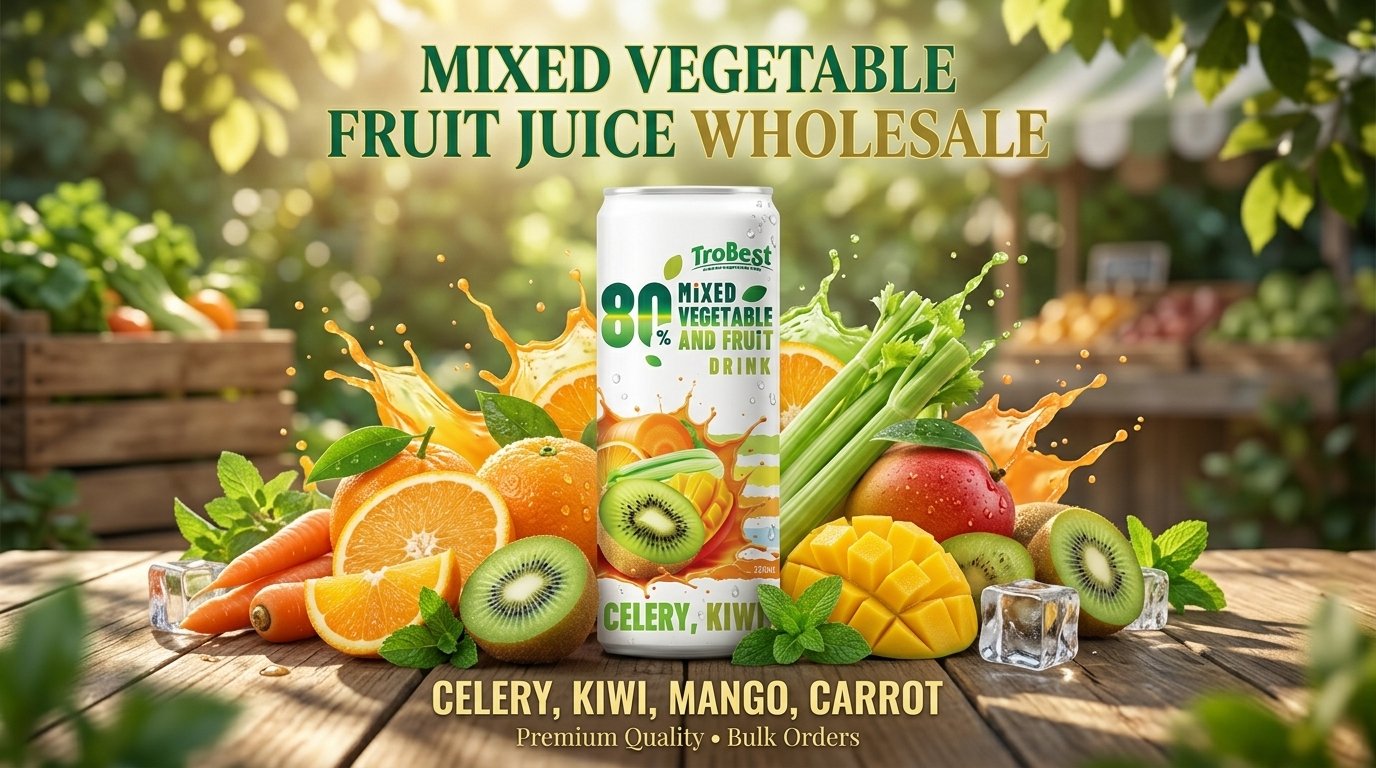
One such product that exemplifies this movement is the mixed vegetable and fruit juice drink featuring carrot, kiwi, orange, mango, and celery. This combination delivers a balanced taste that appeals to a wide audience, from health-conscious millennials to adventurous foodies. For businesses evaluating the mixed vegetable fruit juice wholesale market, understanding regional dynamics is essential to making informed sourcing and distribution decisions.
Key Takeaways
- The USA and Europe represent high-growth markets for mixed vegetable fruit juice wholesale products, driven by demand for natural ingredients and convenient formats.
- Product innovation in flavor combinations (e.g., carrot-kiwi-orange) is a key differentiator for importers seeking to capture shelf space.
- Vietnam-based manufacturers like Rita Food and Drink Co., Ltd. offer competitive OEM and private label solutions for these markets.
- Sustainability and clean-label trends are critical factors that influence buyer preferences in both regions.
- Early movers who establish reliable supply chains for vegetable-fruit blends can gain a first-mover advantage in a still-emerging category.
USA Market: Rising Demand for Vegetable-Fruit Blends
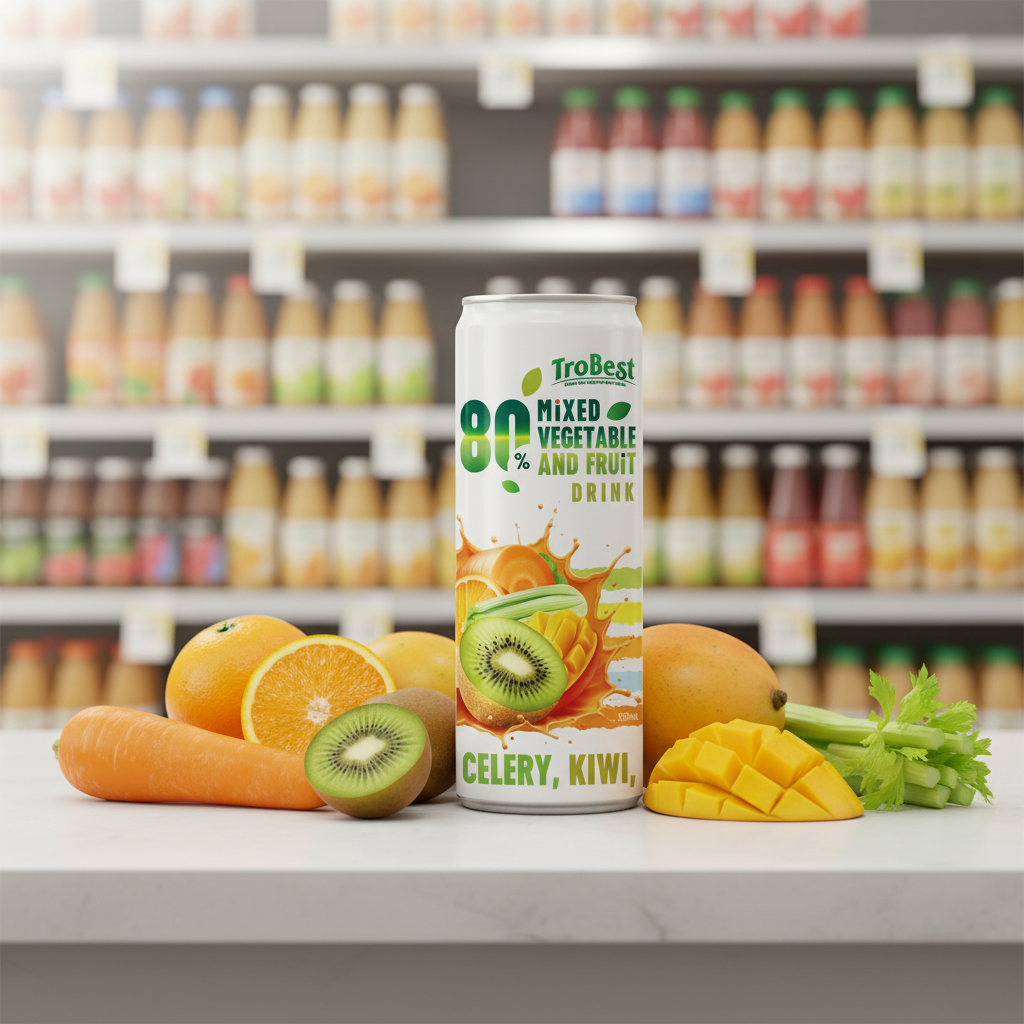
The United States has long been a dominant market for fruit juices, but recent years have seen a surge in interest for vegetable-forward beverages. According to industry reports, the vegetable juice segment in the USA grew by over 8% annually between 2019 and 2023, with blended products accounting for a significant share. Consumers are drawn to the combination of familiar fruit flavors (orange, mango) with the earthiness of vegetables (carrot, celery, kiwi) as a way to incorporate more produce into their diets without sacrificing taste.
For importers, the opportunity lies in offering products that stand out on crowded shelves. The carrot kiwi orange juice blend is particularly appealing because it bridges the gap between pure fruit juice and vegetable juice. Retailers are actively seeking suppliers who can provide consistent quality and flexible packaging options, such as single-serve cans or multi-pack PET bottles. Moreover, the rise of e-commerce and direct-to-consumer channels in the USA means that even small-batch private label products can reach a national audience.
Key considerations for USA importers include compliance with FDA labeling regulations, which prohibit health claims unless substantiated. Therefore, marketing should focus on taste, ingredient transparency, and versatility—for example, as a mixer in cocktails or a base for smoothies. The mixed vegetable fruit juice wholesale market in the USA is ripe for innovation, and manufacturers with strong R&D capabilities can help buyers create unique formulations.
Europe Market: Clean Label and Sustainability Drive Growth
Across the Atlantic, European consumers are equally enthusiastic about fruit-vegetable blends, but with a stronger emphasis on clean label and sustainability. The European juice market is mature, and growth is coming from premium segments that highlight natural ingredients, no added sugar, and eco-friendly packaging. Blends like kiwi celery juice mixed with mango and orange align perfectly with these values because they use simple, recognizable ingredients without artificial flavors or preservatives.
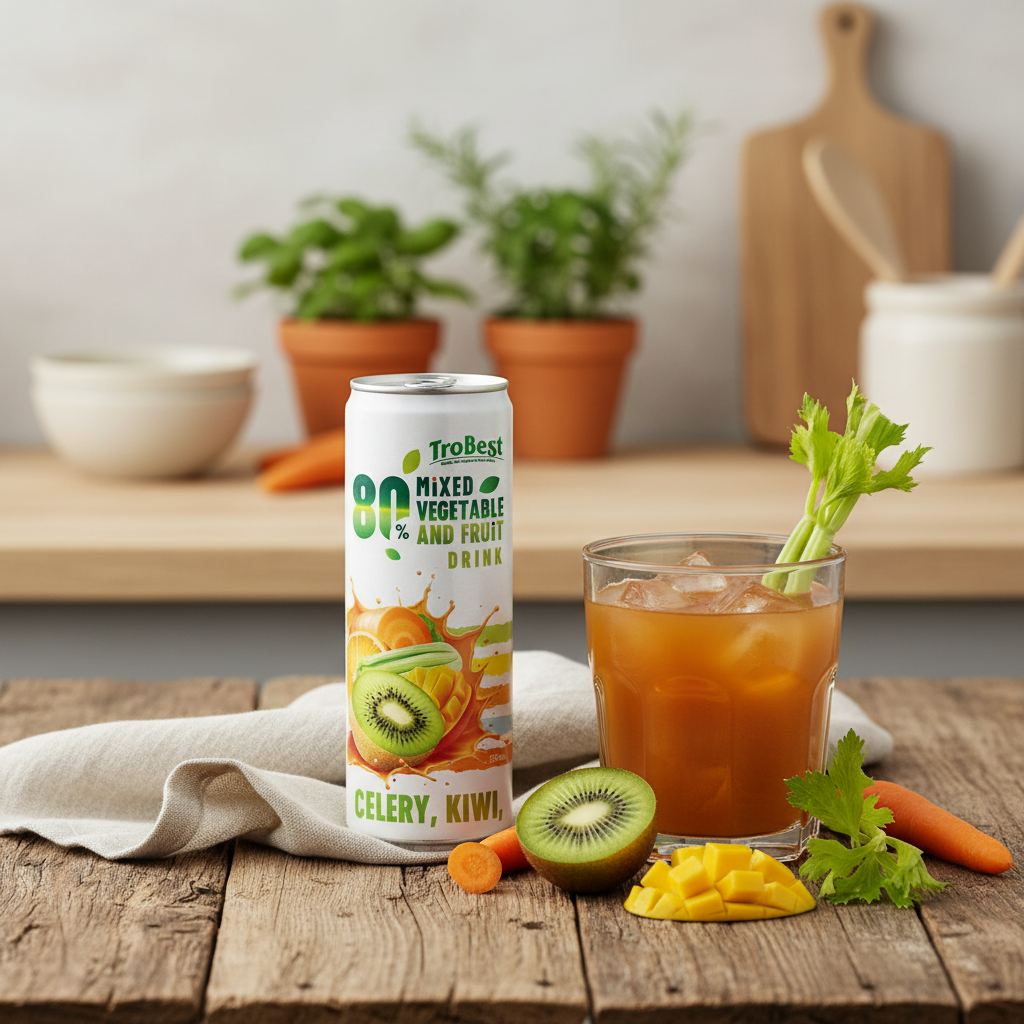
Importers targeting Europe must navigate complex regulations, including the EU’s Novel Food regulation for certain ingredients, though the components here are conventional. The product’s versatility is a selling point: it can be marketed as a breakfast drink, a post-workout refresher, or a lunchtime accompaniment. Retail chains in Germany, the UK, and the Netherlands are particularly open to listing new vegetable-fruit drinks if suppliers can demonstrate supply chain reliability and certifications such as HACCP, ISO, and HALAL.
Another factor is the growing interest in tropical flavors from Vietnam, a country recognized for its high-quality fruit production. European buyers are increasingly sourcing from Asian manufacturers due to competitive pricing and the ability to customize formulations. For instance, a mixed vegetable and fruit drink produced in Vietnam can be tailored to local taste preferences—adjusting sweetness, acidity, or viscosity—through OEM partnerships. This flexibility is a major advantage for distributors who want to test new concepts before committing to large volumes.
Sourcing and Supply Chain: The Vietnam Advantage
When evaluating suppliers for a mixed vegetable juice with celery and tropical fruits, importers should consider countries with established agricultural bases and manufacturing expertise. Vietnam, through companies like Rita Food and Drink Co., Ltd. (brand Trobest), offers a compelling combination of raw material access and production capacity. The company operates 50 production lines with a monthly output of approximately 1,200 containers, ensuring consistent supply for global partners.
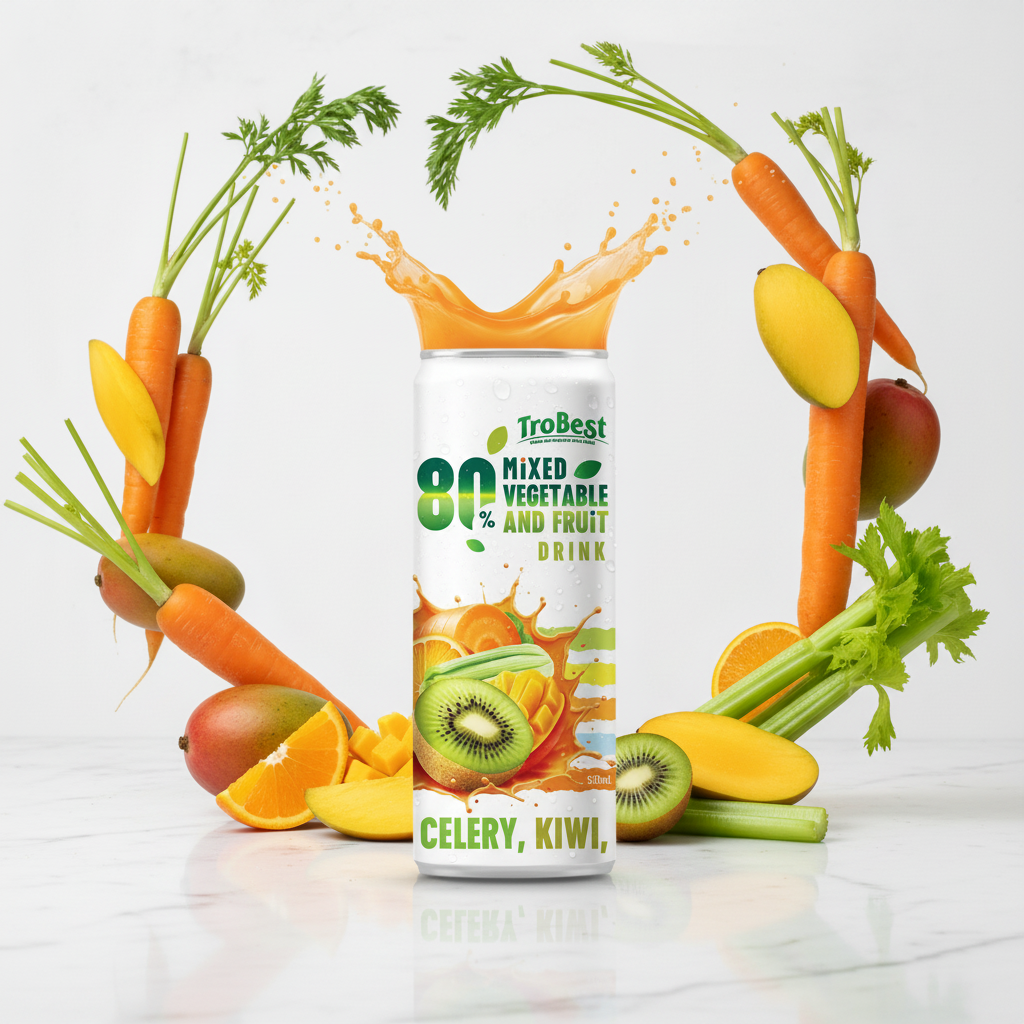
Manufacturers in Vietnam provide end-to-end OEM and ODM services, from recipe development to packaging design. For the carrot-kiwi-orange-mango-celery blend, common packaging options include aluminum cans, glass bottles, PET bottles, and paper boxes—each suitable for different market segments. Shelf life typically ranges from 12 to 24 months depending on packaging and pasteurization methods, which is competitive for export logistics.
Importers can also leverage Vietnam’s network of trade agreements with Europe and the USA to benefit from reduced tariffs. The country’s growing reputation for food safety and certifications (HACCP, HALAL, FSSC, BSCI) makes it a trusted sourcing destination. For businesses looking to enter the fruit juice category with a unique product, partnering with a Vietnamese manufacturer can shorten time-to-market and reduce upfront investment.
How Importers and Distributors Can Capitalize
To succeed in the mixed vegetable fruit juice segment, buyers should focus on three strategic pillars: product differentiation, supply chain efficiency, and market positioning. First, differentiation can be achieved through flavor innovation—for example, adding a hint of ginger or mint to the carrot-kiwi base—or through packaging formats like glass bottles for premium lines versus cans for mass retail.
Second, working with a manufacturer that offers flexible MOQ and private label services allows distributors to test the market without excessive risk. Rita Food and Drink Co., Ltd., for instance, supports tailored formulations and can adapt the sweetness level or viscosity to meet specific retailer requirements. This is particularly valuable for European buyers who often demand products with reduced sugar content.
Third, market positioning should emphasize the natural origin of ingredients and the absence of artificial additives. While FDA and EU regulations restrict health claims, businesses can still highlight the ingredient story—such as sourcing mangoes from the Mekong Delta or carrots from Da Lat—to build brand trust. Combining this with a strong sustainability story (e.g., recyclable packaging) can further resonate with eco-conscious consumers.
Frequently Asked Questions
What is the typical MOQ for a mixed vegetable fruit juice drink like carrot-kiwi-orange?
MOQ depends on packaging size and format. For standard 320ml cans, most manufacturers require a minimum of 1,000–2,000 units for private label orders. Flexible MOQ options are available through OEM partners like Trobest.
What certifications should I look for when sourcing vegetable fruit juice from Vietnam?
Key certifications include HACCP, ISO 22000, HALAL, FSSC 22000, and BSCI. For European markets, organic certification is also beneficial. Ensure your supplier provides documentation for each shipment.
Can I customize the flavor of a mixed vegetable fruit juice drink?
Yes. Most OEM manufacturers in Vietnam offer custom formulation services. You can adjust the ratio of carrot, kiwi, orange, mango, and celery, as well as sweetness and acidity levels to match your target market.
What is the shelf life of a canned vegetable and fruit juice blend?
Shelf life typically ranges from 12 to 24 months for aseptically processed products in cans or paper boxes. PET bottles may have a shorter shelf life (9–12 months) depending on storage conditions.
