Blog
The Rise of Coconut Water in Eco-Conscious Hydration Markets
Aug
Coconut water with electrolytes has moved beyond the sports aisle. Once considered a simple tropical refreshment, it now appears in boardroom discussions about circular packaging, low-carbon logistics, and responsible sourcing. As beverage importers re-evaluate their portfolios, this category is steadily gaining ground as a sustainable hydration option for modern consumers.
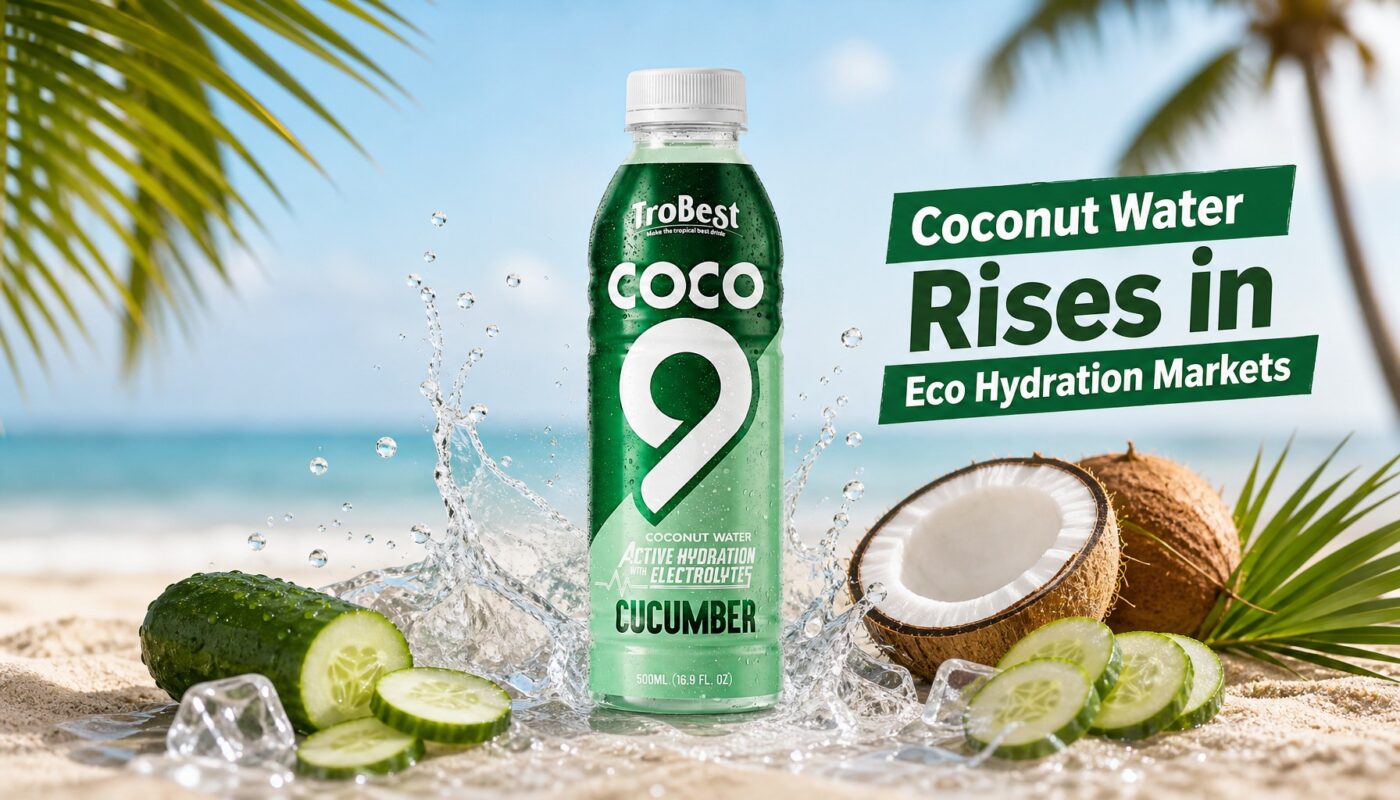
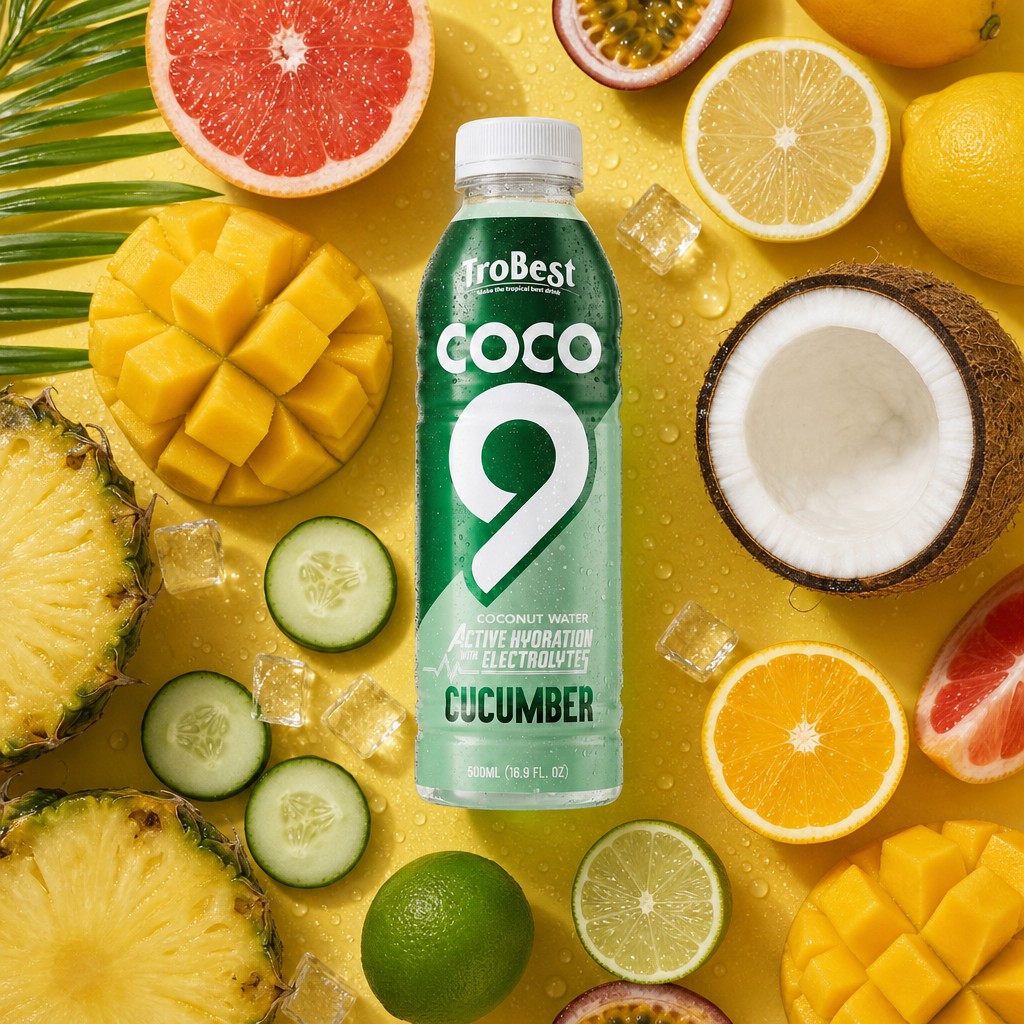
The growing demand is not limited to any single region. From urban centers in Europe to emerging retail corridors in the Middle East and Africa, distributors are looking for products that align with environmental expectations. The 16.9 fl oz Active Hydration Coconut Water with Electrolytes – Cucumber Flavor from Trobest exemplifies this shift, offering a refreshing twist on a familiar favorite.
Key Takeaways
- Sustainable hydration is a key driver in beverage purchasing decisions across global markets.
- Coconut water with electrolytes offers a natural profile that complements eco-conscious trends.
- Flavor innovation, such as cucumber, expands the category’s appeal beyond traditional sports drinks.
- OEM and ODM partnerships help brands enter the market with certified, export-ready products.
The Global Shift Toward Sustainable Beverage Choices
Consumers today are more selective about what they drink, with sustainability playing a pivotal role in their decisions. A recent wave of interest in plant-based, low-sugar beverages has propelled coconut water into mainstream retail. Impulse-driven purchases are increasingly influenced by packaging transparency, ingredient simplicity, and brand commitment to ethical sourcing.
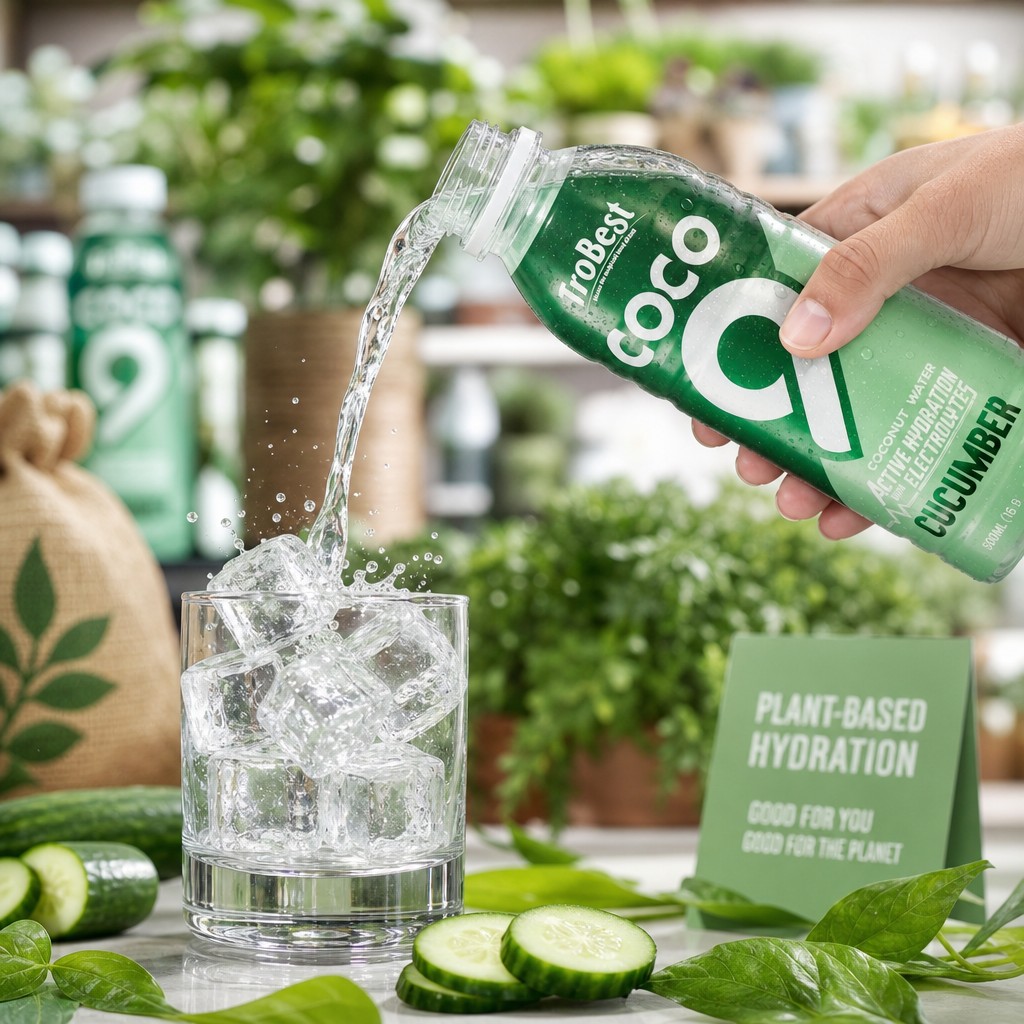
For suppliers, this represents a strategic opportunity. Beverage manufacturers that can demonstrate traceability and environmental responsibility gain a competitive edge. Trobest, the premium brand of RITA Food & Drink Co., Ltd., has invested in manufacturing processes that meet international standards while maintaining a focus on the natural characteristics of coconut water. The company’s cucumber-flavored coconut water with electrolytes is one such product, designed for both domestic and export markets.
Across Asia, Europe, the Americas, and beyond, importers are rethinking their beverage lines. The functional drink sector is expanding, but not just in terms of performance. There is a visible tilt toward low-environmental-impact products. This is where coconut water stands out. Its raw material is harvested from a renewable source, and its packaging footprint can be optimized through lightweight PET bottles and recyclable materials.
Market & Export Data
Annual Trend
| Year | Transaction Count | Total Value (USD) | Total Weight (Kg) | Total Quantity | YoY Change |
|---|---|---|---|---|---|
| 2025 | 0 | 0 | 0 | 0 | — |
| 2026 | 1 | 0 | 20,671 | 1,977 | 100% growth in trade count, weight, and quantity |
Data source: Tradesparq Trade Data (tradesparq.com)
Top Origin & Destination Countries
| Country | Role | Transaction Count | Total Value (USD) | Total Weight (Kg) | Total Quantity | Market Share | Average Price (USD/Kg) |
|---|---|---|---|---|---|---|---|
| Guatemala | Origin | 1 | 0 | 20,671 | 1,977 | 100% | N/A |
| United States | Destination | 1 | 0 | 20,671 | 1,977 | 100% | N/A |
Data source: Tradesparq Trade Data (tradesparq.com)
The trade data for the period August 2025 – August 2026 shows the very first recorded entry of this coconut water with electrolytes and pineapple flavor product into international trade, with all activity concentrated in a single transaction in August 2026. The 2025 calendar year recorded zero trade activity, while 2026 recorded 1 transaction covering 20,671 kg (1,977 units), representing 100% year-on-year growth in trade count, weight, and quantity. Trade value data was not available, so unit prices and value-based trends cannot be calculated.
Guatemala was the sole origin country, accounting for 100% of the recorded trade volume, and the United States was the exclusive destination market, absorbing the entire shipment. This concentrated pattern indicates a targeted market-entry strategy, possibly a new product launch or a one-time bulk order, with the U.S. serving as the initial launch market. No Vietnam-origin trade was reported in this dataset, and no sub-category or packaging-variant breakdown was recorded for the product.
When comparing category data for global trade flows, it becomes clear that coconut water is no longer a niche. The rising number of SKUs on retail shelves and the increasing variety of flavors reflect a market that is both responsive and resilient. For private label programs, this creates a route to differentiation through taste, format, and story.
Distributors aiming to capitalize on these trends should review the coconut products available from established suppliers. Understanding what makes a product suitable for specific regions is essential for successful rollouts.
Why Coconut Water with Electrolytes Fits Sustainable Trends
Natural Sourcing and Minimal Intervention
Coconut water is derived directly from young green coconuts, with minimal steps between harvest and bottle. This short processing chain appeals to buyers who prioritize authenticity. For producers like RITA, the focus on preserving the water’s clear color and delicate taste is a key part of the value proposition. The result is a base liquid that can be flavored without masking its intrinsic charm.
In the case of Trobest’s Active Hydration range, the drink combines this natural base with added electrolytes. The cucumber flavor adds a garden-fresh note, creating a profile that feels clean and contemporary. This approach reflects a broader movement in the beverage industry: sustainable products are no longer expected to sacrifice taste for responsibility.
Packaging Innovations and Loop Thinking
Environmental concerns often center on packaging waste. The 500 ml PET bottle used for this coconut water is designed to be clear, shatterproof, and portable. PET is one of the most widely recycled plastics, and consumers recognize it. For brands exploring the coconut water aseptic beverage market, packaging choices are strategic decisions.
Beyond recyclability, the lightweight nature of the bottle reduces transport emissions. A pallet loaded with 500 ml bottles contains more product by weight than a pallet of glass, making it an efficient choice for long-haul shipping to international markets. This logistical efficiency is a sustainability factor that often goes unnoticed.
Moreover, secondary packaging can be optimized. Shrink-wrap, corrugate, and even label materials can be sourced from sustainable suppliers. As importers demand more documentation on carbon footprint, manufacturers are providing increasing levels of transparency. The clear PET bottle also allows consumers to see the product inside, reinforcing the message of purity.
From Our Orchards: The Ben Tre Coconut Farm
The quality of coconut water begins at the farm. For Vietnamese producers, the Ben Tre province is renowned for its coconut groves and traditional cultivation practices. RITA’s raw material area is located in this region, where the trees are tended by experienced farmers. The terroir contributes to the natural sweetness and subtle nuttiness of the coconut water.
You can learn more about our sourcing by visiting the Ben Tre coconut farm, which is part of our commitment to transparent supply chains. The farm ensures a steady supply of fresh coconuts for our processing lines.
The video below offers a closer look at the farm and the journey from plantation to high-quality products:
Although the farm section is a cornerstone of our story, it is important to note that sustainability also extends to the people and communities involved. Steady purchasing agreements and fair labor practices are part of the broader picture. This is why many beverage buyers prefer suppliers with documented social compliance, such as SMETA certification.
Cucumber Coconut Water with Electrolytes: Flavor Meets Function
Flavor innovation is a powerful tool in the beverage industry. While plain coconut water has its loyal fans, infused variants attract a different consumer. The cucumber flavor offers a crisp, spa-like aroma that pairs well with the coconut’s natural sweetness. It is a flavor experience that feels fresh and refined.
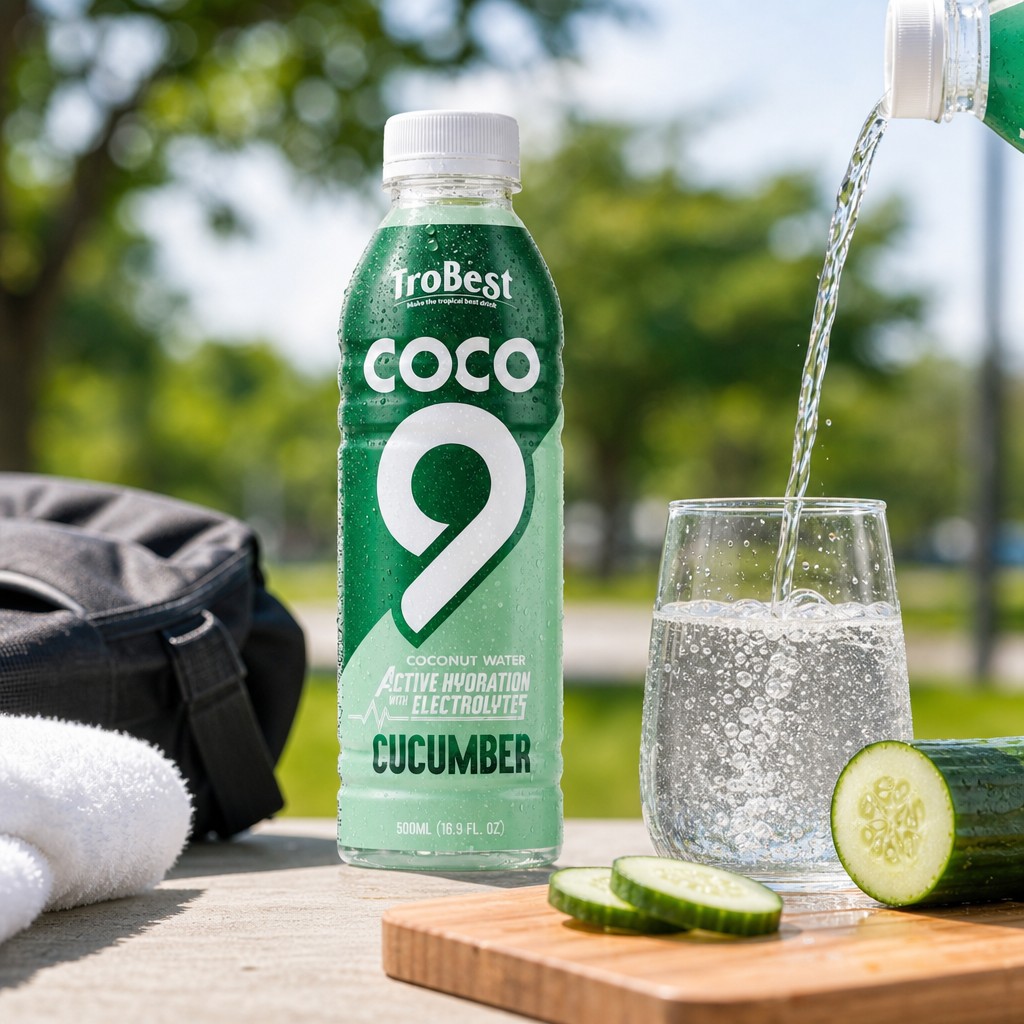
The coconut water with electrolytes in cucumber flavor is positioned as an active hydration beverage. It is not just a drink to sip on the beach; it is a functional companion for workouts, office hours, and weekend hikes. The 500 ml bottle fits comfortably in hand, gym bag, or backpack. The label, with its gradient from deep green to minty white, communicates a sense of vitality that aligns with the product’s positioning.
For retail buyers, adding such a flavor to the portfolio is a low-risk experiment. The existing vegan and gluten-free appeal of coconut water is already a foundation. By introducing cucumber, brands can tap into the botanical trend without alienating mainstream consumers. This is particularly relevant in markets where spa-inspired flavors are associated with wellness.
Comparing across categories, cucumber coconut water sits at the intersection of hydration and lifestyle. It is not challenging to market because it fits a clear need: refreshment with a modern narrative. Distributors can use tasting stations, online campaigns, and fitness club tie-ins to generate interest.
The cucumber coconut water in a 16.9 fl oz PET bottle is a standout SKU in the active hydration segment. Its clear packaging and vibrant label make it a shelf-friendly option for both physical and digital retail environments.
Meeting Global Demand Through OEM and ODM Partnerships
For companies planning to launch their own beverage line, partnering with an experienced manufacturer is crucial. RITA Food & Drink Co., Ltd. has been producing tropical beverages since 2004. Its OEM and ODM services cover everything from recipe development to packaging design. Trobest, as the premium brand, showcases the company’s product capabilities while offering a flexible framework for private label cooperation.
When brands seek a coconut water with electrolytes under their own label, they need a supplier with consistent quality. RITA’s certifications — including BRC, FSSC 22000, HALAL, Kosher, ISO, GMP, HACCP, and SMETA — provide assurance for global distribution. These standards are frequently required by importers in Europe, the Middle East, and North America.
The 16.9 fl oz cucumber coconut water from Trobest demonstrates the level of execution that OEM clients can expect. Whether the goal is to replicate this flavor or create a unique variation, the production line can be adapted accordingly. The OEM services cover more than just filling and packaging. They include formulation support, regulatory documentation, and market-specific labeling.
This end-to-end approach reduces the time to market and helps brands avoid common pitfalls. For importers and distributors, this is an opportunity to expand their beverage portfolio with a product that meets both sustainability expectations and flavor trends. With export to over 100 countries and territories, Trobest has the experience to navigate different regulatory landscapes.
The combination of natural coconut water, added electrolytes, and cucumber flavor is an adaptable base for many market strategies. Whether positioned as a premium sports drink or a lifestyle refreshment, it offers a compelling story for modern consumers.
Another rationale for choosing a partner like Trobest is the ability to customize the product to local tastes and regulations. This coconut water with electrolytes can be tweaked in terms of sweetness, mineral balance, or even packaging format. Such flexibility is a major advantage for brands aiming to differentiate themselves.
Frequently Asked Questions
Is Trobest’s cucumber coconut water suitable for private label programs?
Yes. Trobest offers OEM and ODM services, allowing brands to customize the formula, packaging, and branding to suit their market requirements.
What certifications does Trobest’s manufacturing partner hold?
RITA Food & Drink Co., Ltd. holds BRC, FSSC 22000, HALAL, Kosher, ISO, GMP, HACCP, and SMETA certifications, ensuring compliance with international standards.
How does the cucumber flavor affect the coconut water’s taste?
The cucumber adds a light, garden-fresh aroma and a clean finish, complementing the naturally sweet, nutty flavor of coconut water.
Can the coconut water be exported to multiple regions?
Yes, the product is manufactured under internationally recognized standards, making it suitable for export to Asia, Europe, the Americas, the Middle East, Africa, and Oceania.
