Blog
The Rising Demand for Natural Hydration Drives Global Coconut Water Market
Sep
In the dynamic landscape of global beverage markets, the shift towards natural hydration solutions continues to reshape consumer preferences. Among the most compelling developments is the surging interest in coconut water, a beverage traditionally associated with tropical regions but now enjoying unprecedented worldwide adoption. This trend is particularly evident in the increasing demand for original, minimally processed formulations that emphasize authentic flavor and inherent nutritional composition. Market analysts point to a fundamental consumer desire for transparency and simplicity in ingredients, moving away from complex formulations toward beverages that offer a straightforward, clean-label experience. The convergence of wellness-oriented lifestyles and the pursuit of convenient hydration solutions has positioned original coconut water as a significant category for growth, influencing product development strategies and export opportunities for manufacturers across Southeast Asia and beyond.
Key Takeaways
- Consumer demand for original, minimally processed coconut water is growing rapidly across global markets.
- Authentic flavor profiles and natural electrolyte composition are key drivers of product differentiation.
- Vietnamese manufacturers leverage quality certifications and supply chain advantages to serve international markets.
- The category presents significant opportunities for OEM/ODM collaborations with private-label partners.
- Market growth is fueled by trends in natural hydration, active lifestyles, and clean-label consumption.
Global Market Trends Shaping Coconut Water Demand
The international beverage sector is witnessing a pronounced pivot towards functional and natural hydration options. This movement transcends traditional market boundaries, with notable growth observed in diverse regions including Europe, the Americas, the Middle East, Africa, and Oceania. Within this context, coconut water original flavor products have emerged as a category of particular interest, appealing to consumers seeking beverages that align with clean-label principles without sacrificing taste or refreshment. Industry reports from sources like Food Navigator indicate that the global coconut water market is projected to expand significantly through 2028, driven by an increased consumer focus on natural ingredients and transparent sourcing. The trend is further amplified by social media and wellness influencer advocacy, which has played a pivotal role in normalizing coconut water as an everyday beverage choice beyond its traditional tropical strongholds.
Manufacturers are responding to this demand by emphasizing product authenticity and regional sourcing narratives. For instance, products highlighting their origin from specific agricultural regions, such as Vietnam’s Mekong Delta, can build stronger consumer trust and brand loyalty. The ability to consistently deliver a product that captures the original, subtly sweet, and nutty flavor profile of fresh coconut is becoming a critical competitive advantage. This focus on authentic taste experiences is a direct response to consumer fatigue with overly sweetened or artificially flavored alternatives, pushing the industry toward a more pure and unadulterated product offering.
Regional Growth Dynamics and Export Opportunities
The expansion of the coconut water original flavor category is not uniform, with varying adoption rates and regulatory landscapes across different continents. In mature markets like North America and Europe, the growth is largely fueled by health-conscious demographics and the beverage’s positioning as a natural source of electrolytes and minerals. Meanwhile, emerging markets in the Middle East and Africa are showing increased retail penetration, driven by expanding modern trade infrastructure and a growing middle class with disposable income for premium beverages. This geographical diversification presents a robust opportunity for manufacturers with scalable production capabilities and the necessary export certifications.
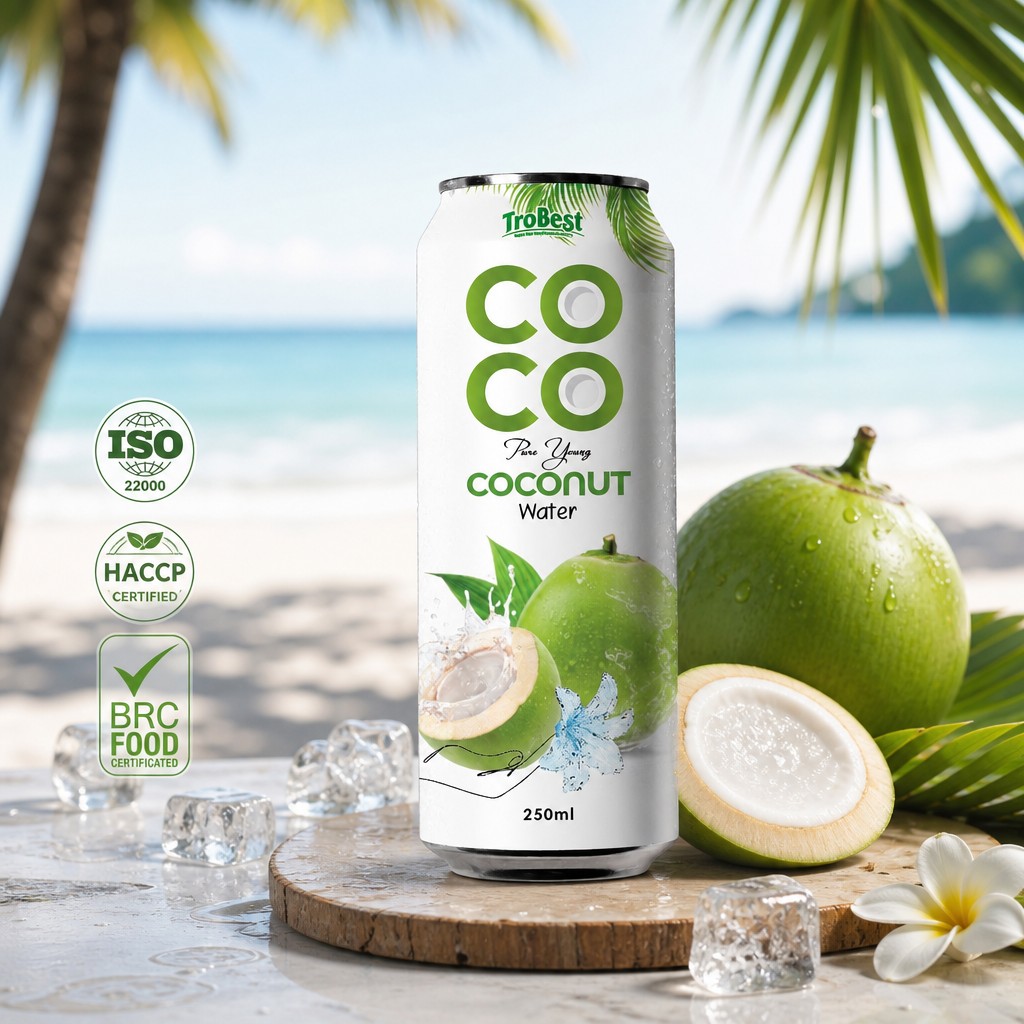
Export success in this category hinges on more than just product quality; it requires navigating complex international standards. Certifications such as HACCP, ISO, GMP, and Halal are not merely optional but often prerequisites for market entry. For a 250ml can coconut water product to succeed globally, it must demonstrate compliance with these rigorous frameworks, assuring international retailers and distributors of consistent safety and quality standards. The ability to meet diverse certification requirements from a single production facility is a significant logistical and competitive advantage.
Product Differentiation in a Competitive Landscape
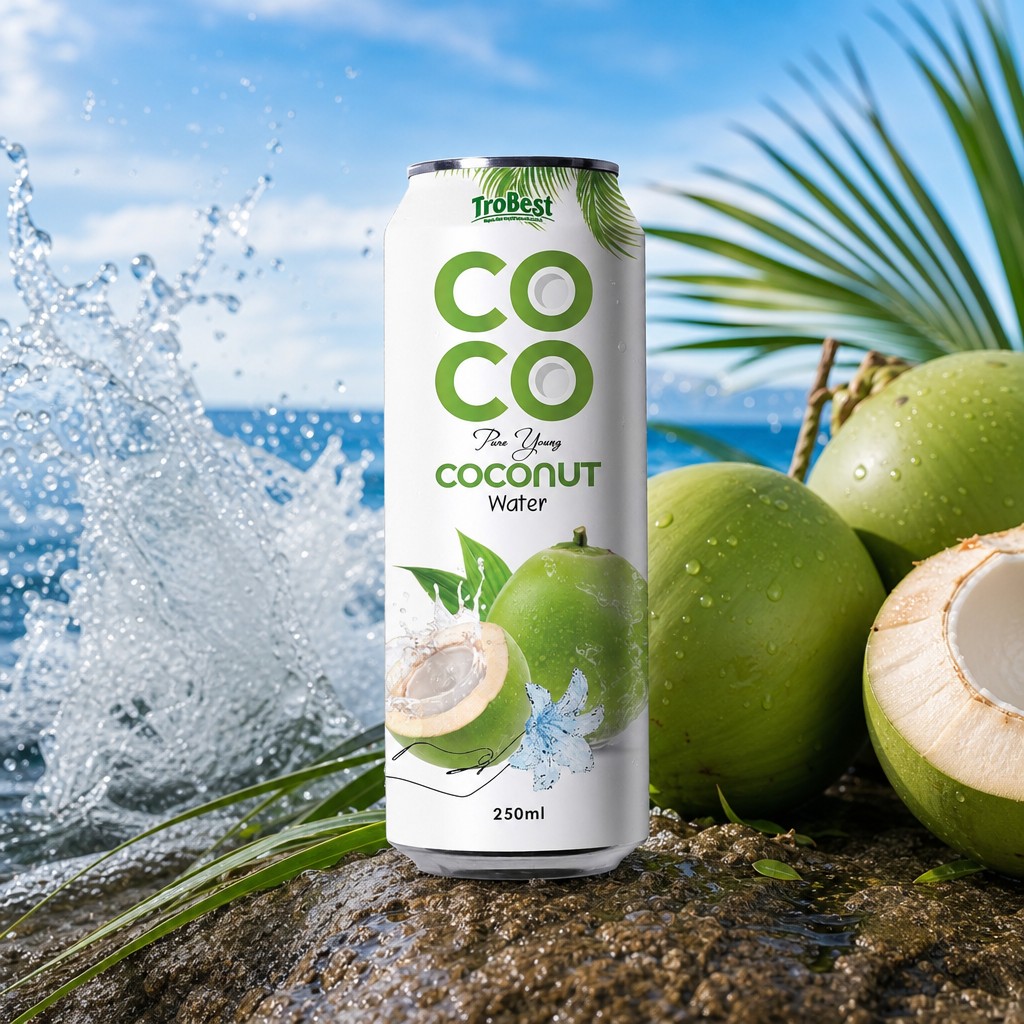
As the market for original coconut water becomes more crowded, differentiation strategies are evolving beyond basic taste and refreshment claims. Leading brands are now focusing on the specific provenance of their coconuts, the precise mineral composition of their water, and the innovative aspects of their packaging. A slim 250ml aluminum can, for example, is often favored for its portability, durability, and superior light and oxygen barrier properties, which help preserve the beverage’s natural profile and shelf stability without preservatives. This packaging choice directly addresses consumer needs for on-the-go hydration that fits easily into bags, gym kits, and car cup holders.
The intrinsic qualities of the product itself remain paramount. Consumers are increasingly literate about the natural benefits of coconut water, recognizing it as a source of naturally occurring electrolytes like potassium, magnesium, sodium, and calcium. This makes it an attractive alternative to conventional sports drinks for post-activity hydration. Furthermore, the presence of naturally derived vitamins, antioxidants, dietary fiber, and enzymes contributes to a perception of a nutrient-dense beverage. However, marketing communication must carefully navigate regulatory boundaries, focusing on descriptive qualities of taste and composition rather than explicit health claims. The beverage industry globally faces stringent advertising standards, making factual, experience-based messaging crucial for brand integrity.
Brands like Trobest are leveraging their manufacturing heritage and multi-standard compliance to carve out a distinct position. Their Trobest coconut water exemplifies this approach, combining Mekong Delta-sourced ingredients with production processes certified to meet international benchmarks. This combination of local sourcing and global quality assurance provides a compelling narrative for B2B buyers looking for reliable supply chain partners.
The Role of Manufacturing Excellence and Certifications
Behind every successful export product is a robust manufacturing framework. For beverages like 250ml can coconut water, production facilities must operate at the intersection of efficiency, quality, and compliance. International certifications serve as the universal language of trust in global trade. A facility certified under BRC, FSSC 22000, ISO, and SMETA demonstrates not only a commitment to product safety and quality management but also to ethical labor practices and social responsibility. These credentials are increasingly scrutinized by retailers and distributors, especially in European and North American markets where supply chain transparency is a consumer demand.
RITA Food & Drink Co., Ltd., the company behind the Trobest brand, operates as a testament to this model. With over 18 years of industry experience and an export footprint covering more than 100 countries and territories, they provide a clear example of how Vietnamese manufacturers can successfully scale for global markets. Their capacity for OEM and ODM services further enhances their appeal as a strategic partner for international brands seeking to develop or expand their own coconut water product lines without the overhead of dedicated manufacturing infrastructure. This collaborative model is becoming increasingly vital in the global CPG sector.
Navigating the Supply Chain: From Source to Shelf
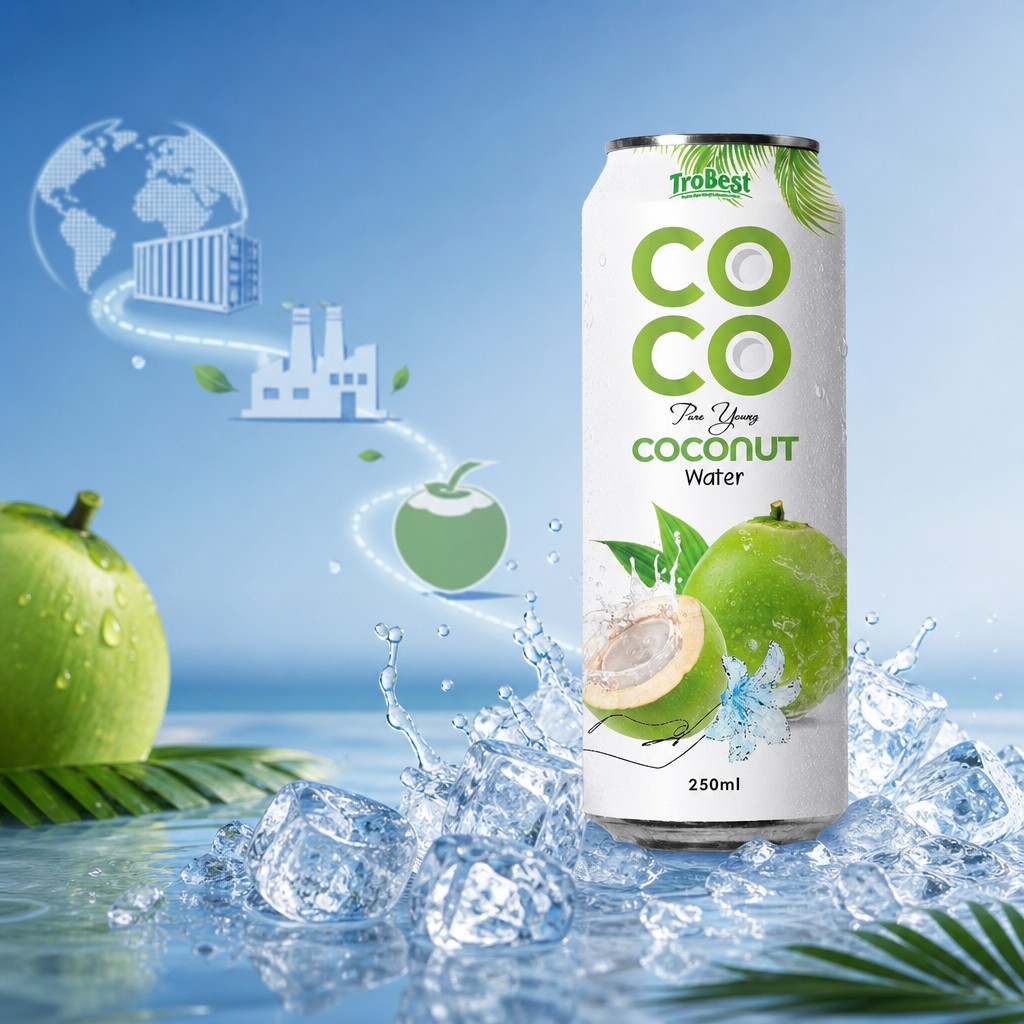
The journey of a 250ml can coconut water from its source to the international consumer shelf involves a meticulously managed supply chain. It begins at the farm level, where the selection of specific coconut varieties and the timing of the harvest directly influence the flavor and nutritional profile of the water. Sourcing from regions known for quality agricultural output, such as the Mekong Delta, ensures access to a consistent and high-quality raw material base. This provenance is a key part of the product story and a major selling point in premium segments. Manufacturers with direct ties to or ownership of their raw material areas can exert greater control over this crucial first step.
Post-harvest, the coconuts are transported to processing facilities where the water is extracted and prepared under sterile conditions. Modern aseptic or hot-fill processing techniques are employed to ensure the product remains shelf-stable for months without refrigeration or artificial preservatives. This stage is critical for maintaining the original flavor integrity that defines the product category. The entire process, from farm to filled can, is governed by the stringent quality management systems certified under standards like HACCP and ISO 22000. This ensures that each can of coconut water original flavor meeting the market is consistent in taste, safety, and nutritional composition, regardless of the final destination.
Logistics and International Distribution Challenges
Exporting a product like coconut water presents unique logistical challenges. While the aluminum can is durable and lightweight, the liquid inside requires careful handling to prevent temperature abuse, which could compromise quality. Efficient distribution networks and reliable cold-chain logistics partners are essential, especially for markets in Europe and North America where retail delivery expectations are high. Furthermore, navigating the customs and import regulations of over 100 different countries demands deep expertise and dedicated administrative resources. Companies with established export departments and a history of successful international shipments have a distinct advantage in managing this complexity, ensuring products arrive in optimal condition and compliant with local regulations.
The financial aspect of international trade also requires careful consideration. Fluctuations in global shipping costs, currency exchange rates, and tariffs can impact the final cost structure and pricing strategy. Successful exporters often employ hedging strategies and build strong relationships with logistics providers to mitigate these risks. For a product aimed at the value-conscious yet quality-seeking consumer, maintaining an attractive price point while absorbing these costs is a delicate balance that underscores the importance of operational efficiency and scale.
Frequently Asked Questions
The trajectory for coconut water original flavor products on the global stage appears firmly positive, underscored by enduring consumer trends toward natural, convenient, and transparently sourced hydration. For manufacturers and brands, success in this vibrant market will depend on a holistic strategy that integrates superior product sourcing, rigorous quality control, strategic certification, and agile supply chain management. As consumer awareness deepens and the market expands into new territories, the brands that can authentically tell the story of their product from source to shelf—while consistently delivering on quality—will be best positioned to capture growth in this evolving category.
