Blog
Coconut Water Bulk Import USA and Europe Opportunities in 2024
Jun
The global beverage industry is witnessing a significant shift toward natural, plant-based drinks. Among the fastest-growing segments is coconut water, once a niche product in tropical markets and now a mainstream choice for consumers seeking refreshment without artificial additives. For importers and distributors in the United States and Europe, understanding the supply chain and packaging innovations is critical to capturing market share.
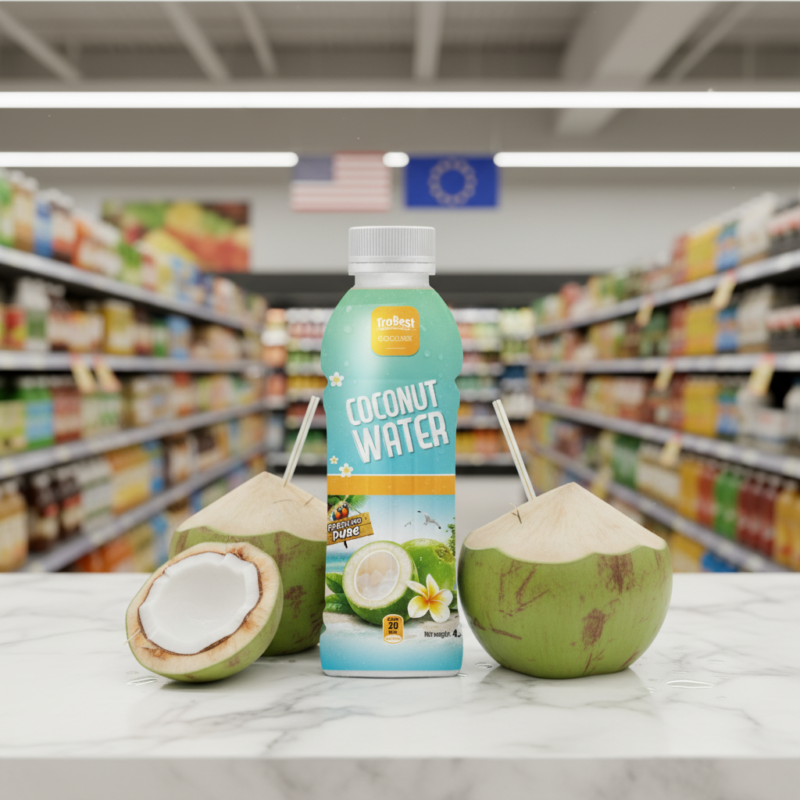
A product like the coconut water bulk import USA Europe offers a clear example of how Vietnamese manufacturers are meeting international demand with scalable solutions. This article examines the market dynamics, sourcing strategies, and packaging trends that define the coconut water trade today.
Key Takeaways
- The U.S. and European coconut water market continues to grow at a compound annual rate of over 10%, driven by demand for natural hydration options.
- Vietnamese manufacturers offer competitive pricing and flexible OEM/ODM services, making them ideal partners for coconut water bulk import USA Europe.
- The 450ml PET bottle format is emerging as a preferred packaging solution for retail and foodservice channels due to portability and shelf stability.
- Private label opportunities in Europe and the U.S. allow brands to enter the category without heavy capital investment.
- Quality certifications (HACCP, HALAL, ISO, FSSC) from Vietnamese suppliers reduce compliance risks for importers.
Market Overview Coconut Water in the USA and Europe
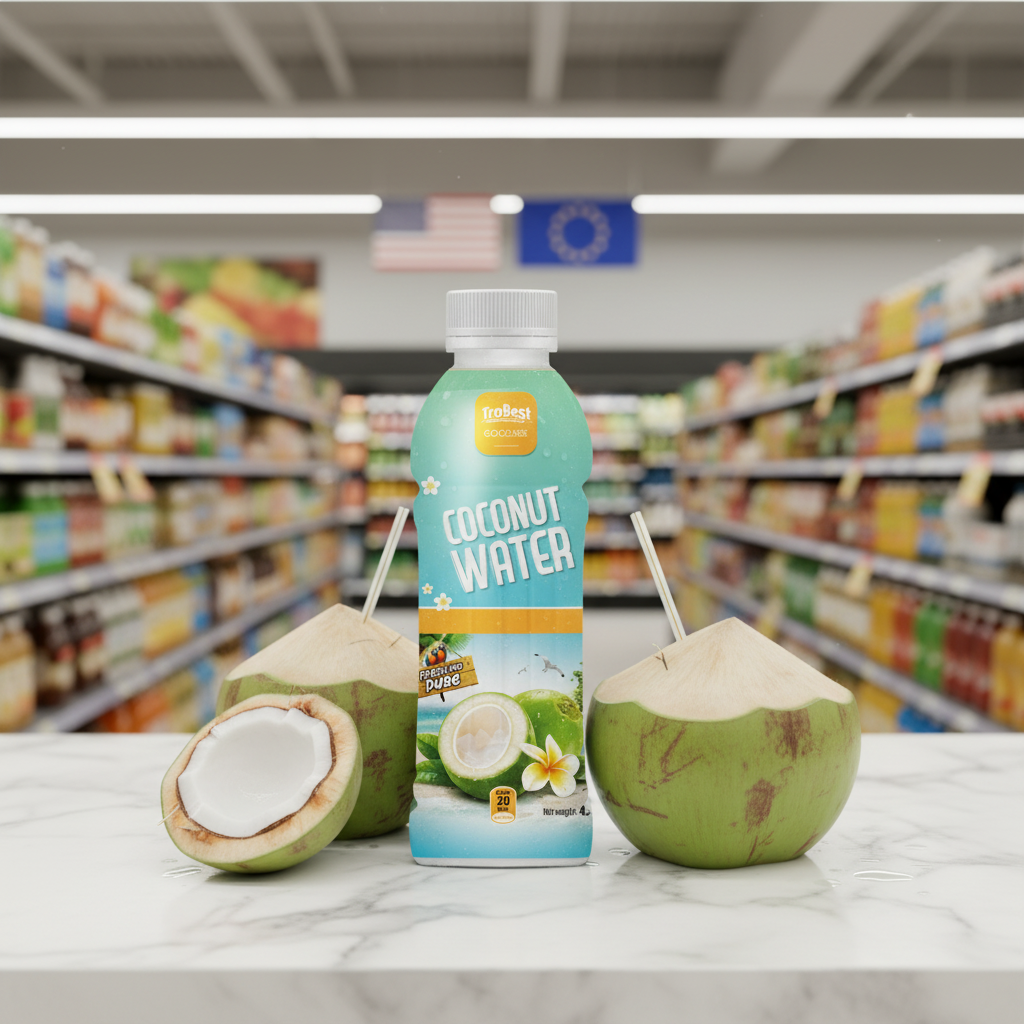
Consumer preferences in both the United States and Europe have evolved toward beverages that are perceived as natural and minimally processed. Coconut water fits this trend perfectly: it is a clear liquid extracted from young green coconuts, with a slightly sweet, nutty flavor that appeals to a broad audience.
In the U.S., coconut water is no longer confined to health food stores. Major retailers like Walmart, Target, and Costco carry multiple brands, and the category has expanded beyond plain varieties to include flavors such as pineapple, mango, and even coffee blends. According to industry reports, the U.S. coconut water market was valued at approximately $1.2 billion in 2023 and is expected to grow steadily through the next decade.
Europe presents a more fragmented but promising landscape. Countries such as the United Kingdom, Germany, and France have seen a surge in demand for tropical beverages, particularly among younger demographics. The rise of on-the-go consumption and the popularity of mixology in bars and restaurants have created new distribution channels for coconut water.
Why USA and Europe Are Prime Markets for Importers
Both regions share a few key characteristics that make them attractive for coconut water importers. First, consumers are willing to pay a premium for perceived authenticity and quality. Second, the supply of coconut water from local sources is virtually nonexistent, as coconuts are not commercially grown in temperate climates. This creates a structural dependency on imports from tropical countries like Vietnam, Thailand, and the Philippines.
Vietnam, in particular, has emerged as a major supplier due to its favorable climate, large coconut plantations, and modern processing facilities. Manufacturers offering coconut water bulk import USA Europe can leverage these advantages to deliver consistent quality year-round.
Supply Chain Advantages of Vietnamese Manufacturers
Rita Food And Drink Co., Ltd, the company behind the Trobest brand, operates 50 production lines with a capacity of approximately 1,200 containers per month. This scale allows for reliable fulfillment of large orders, a crucial factor for importers who need to maintain inventory across multiple retail locations.
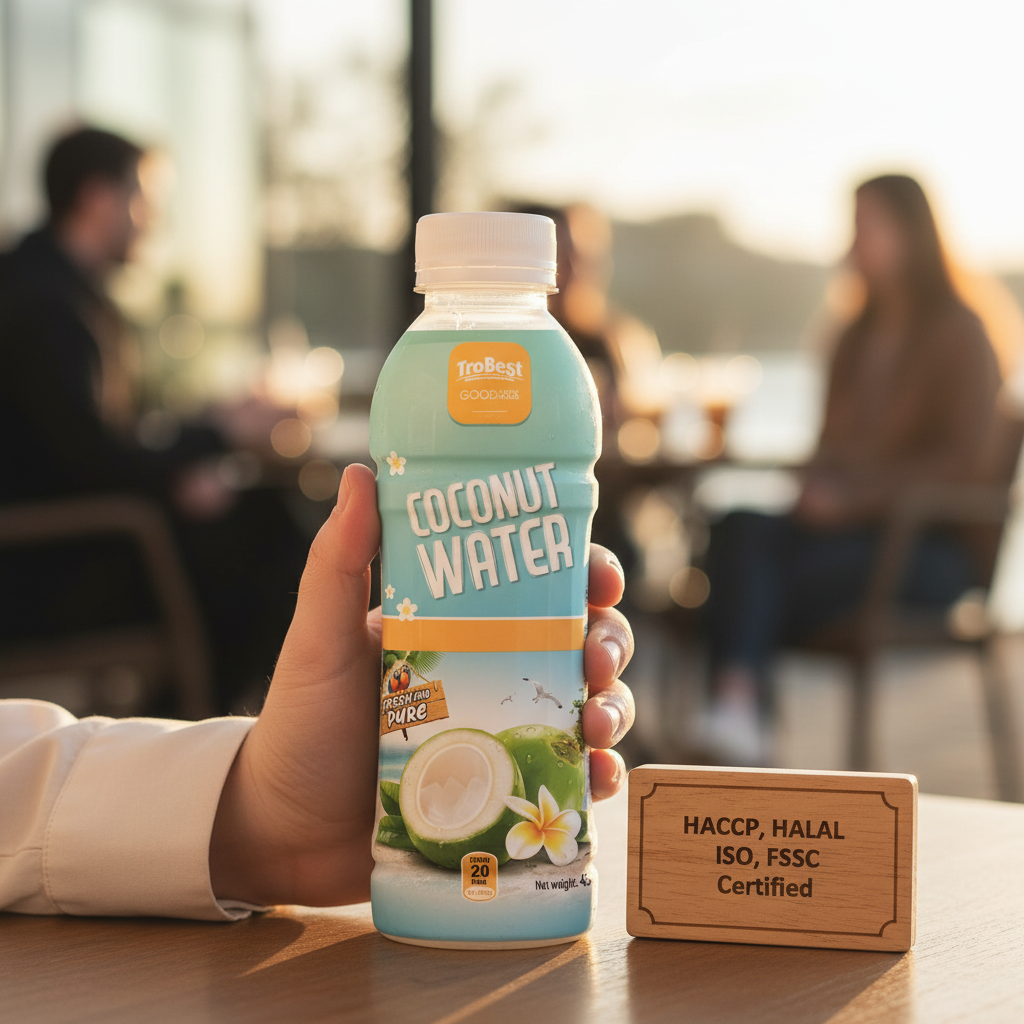
Vietnamese manufacturers also offer end-to-end services, from raw material sourcing to final packaging. For example, the 450ml PET bottle coconut water is produced under strict international standards including HACCP, HALAL, ISO, GMP, FSSC, ORGANIC, and SMETA/BSCI. These certifications are not just logos; they are prerequisites for doing business with major retailers and foodservice chains in the U.S. and Europe.
Additionally, the ability to customize formulations and packaging through OEM and ODM services gives importers flexibility. A European brand may want a slightly sweeter taste profile, while a U.S. distributor might prefer a lower viscosity. Vietnamese suppliers can adjust these parameters without compromising production efficiency.
Packaging Innovation PET Bottle Format Gains Traction
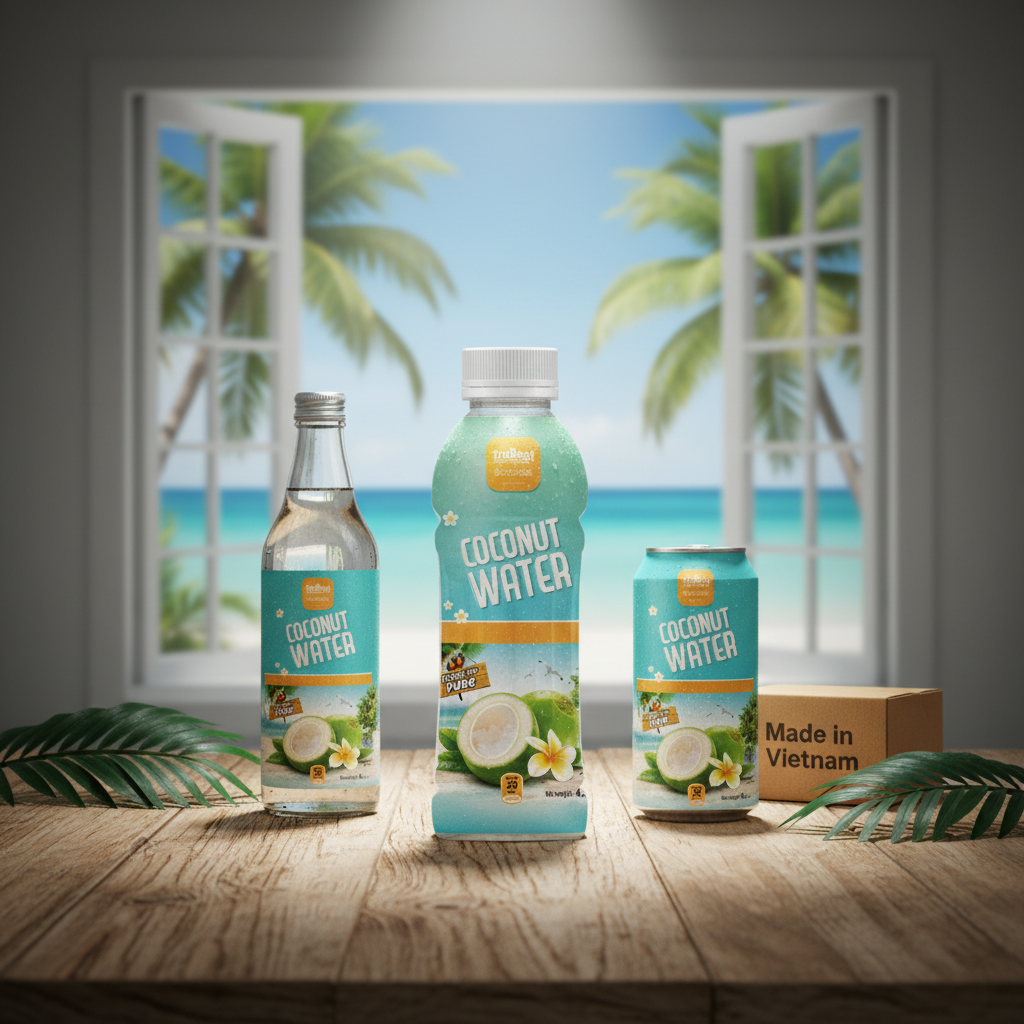
The choice of packaging significantly influences a product’s success in export markets. The 450ml PET bottle is an ideal format for several reasons. It is lightweight, unbreakable, and offers a long shelf life when aseptic processing is applied. For the 450ml Pet Bottle Coconut Water, the shelf life typically ranges from 9 to 12 months, depending on storage conditions.
PET bottles also align with sustainability trends, as they are recyclable and require less energy to transport compared to glass. Many European countries have deposit return schemes for PET, making it easier for consumers to recycle. In the U.S., the infrastructure for PET recycling is expanding, further boosting the appeal of this packaging type.
Minimum order quantities (MOQ) for such products are often flexible. While larger orders reduce per-unit costs, Vietnamese manufacturers like Trobest accommodate smaller trial orders to help importers test the market. This lowers the financial barrier for new entrants.
How Distributors Can Capitalize on the Coconut Water Trend
For distributors and wholesalers, entering the coconut water category requires a clear strategy. First, identify the target channels: retail, foodservice, or both. In retail, shelf placement near other natural beverages or in the ethnic foods aisle can drive impulse purchases. In foodservice, coconut water can be positioned as a mixer for cocktails or a standalone non-alcoholic option.
Second, work with a supplier that offers private label programs. Private labeling allows you to build your own brand equity without the cost of developing a production line. The 450ml PET bottle coconut water from Trobest is available for private label, with support for custom graphics and labeling.
Third, understand the regulatory landscape. In the U.S., the FDA requires that coconut water be labeled accurately, with no misleading health claims. In Europe, the EU Novel Food Regulation may apply if the product contains certain ingredients, but plain coconut water is generally well accepted. Partnering with a manufacturer that already exports to these regions simplifies compliance.
Finally, consider the logistics. Coconut water is a high-volume product, so freight costs are a major part of the total landed cost. Vietnamese ports have direct shipping lines to Los Angeles, Rotterdam, and other major hubs, making the supply chain efficient.
Conclusion The Future of Coconut Water Trade
The demand for coconut water in the USA and Europe shows no signs of slowing. As more consumers prioritize natural beverages, the opportunity for importers to introduce high-quality, competitively priced products expands. Vietnamese manufacturers, equipped with modern facilities and international certifications, are well positioned to support this growth.
Whether you are a startup looking for your first container or an established distributor expanding your portfolio, the coconut water aseptic brands from Vietnam offer a reliable path to market. By focusing on packaging innovation, flexible supply arrangements, and compliance with Western standards, you can build a successful coconut water business in 2024 and beyond.
For more information on OEM and ODM services, visit our company profile or explore the full product catalog.
Frequently Asked Questions
What is the typical shelf life of 450ml PET bottle coconut water?
The shelf life is typically 9 to 12 months when stored in a cool, dry place and away from direct sunlight. Aseptic processing ensures product stability without refrigeration before opening.
What are the minimum order quantities for coconut water import from Vietnam?
Minimum order quantities vary by supplier. Trobest offers flexible MOQs, including trial orders as low as one pallet for new customers. Larger volumes reduce per-unit costs.
Can I get private label packaging for coconut water?
Yes, Trobest provides full private label services including custom labeling, packaging design, and formulation adjustments. This allows you to brand the product under your own label.
What certifications do Vietnamese coconut water manufacturers have?
Leading manufacturers hold HACCP, HALAL, ISO, GMP, FSSC, ORGANIC, and SMETA/BSCI certifications. These are essential for entry into U.S. and European markets.
How does 450ml PET bottle compare to canned coconut water for export?
PET bottles are lighter, unbreakable, and often preferred in retail for their resealable cap. Cans offer better light protection but are heavier. The choice depends on target channel and branding strategy.
